Summary


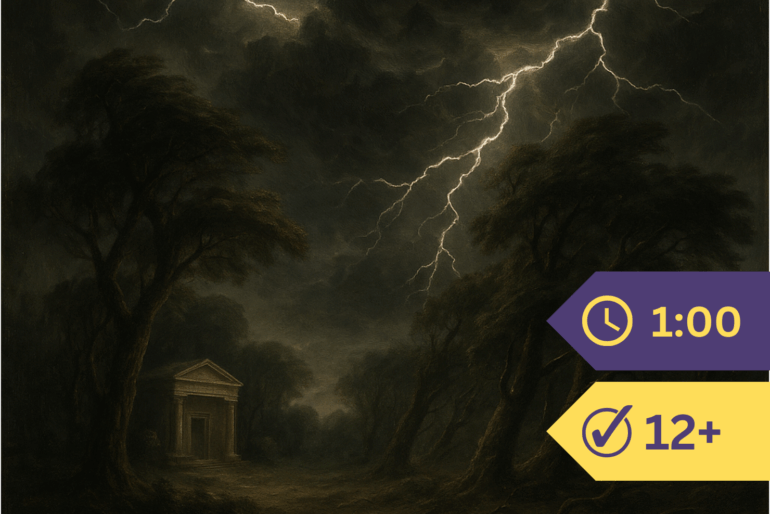
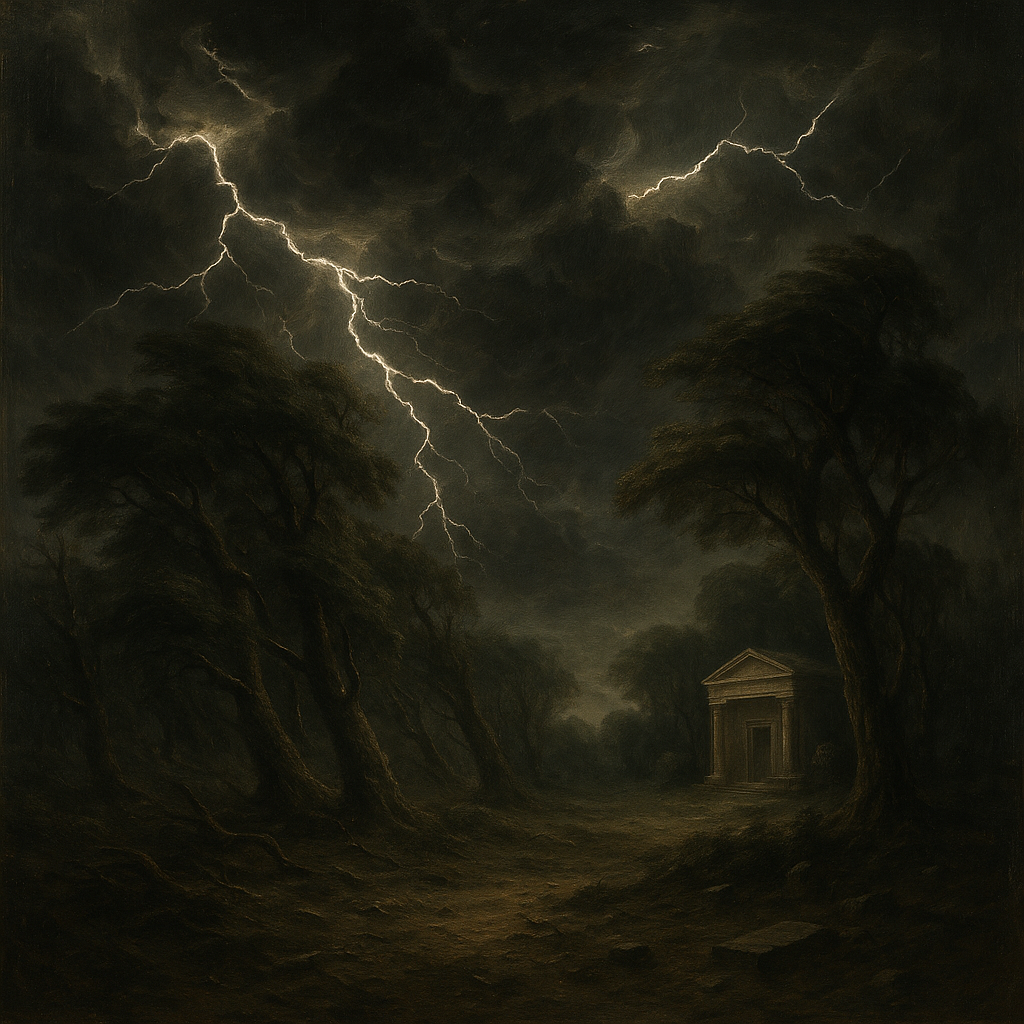
"Refuge" is a short poem by Emily Dickinson that opens in the heart of a furious storm — clouds colliding, forests falling, lightning darting like mice, and thunder crumbling under its own weight. Against this wild, ungovernable natural fury, Dickinson turns her gaze toward an unexpected sanctuary: the tomb. The poem poses a quietly unsettling question about where true safety lies, and whether peace is only possible beyond the reach of nature's rage and the world's vengeance.

Read Online

The clouds their backs together laid,
The north begun to push,
The forests galloped till they fell,
The lightning skipped like mice;
The thunder crumbled like a stuff—
How good to be safe in tombs,
Where nature’s temper cannot reach,
Nor vengeance ever comes!


Credits

Emily Dickinson (1830–1886) was an American poet whose work, largely unpublished during her lifetime, is now considered foundational to modern poetry. Known for her compressed verse, unconventional punctuation, and preoccupation with death and immortality, she brings those signature themes together in "Refuge," where the grave is reimagined not as something to fear but as the one place beyond the storm's reach.