My Spirit Will Not Haunt the Mound

Summary


"My Spirit Will Not Haunt the Mound" is a short poem by Thomas Hardy in which a speaker contemplates where their ghost will wander after death — not over their grave, but through the familiar places shared with a lost love. The poem builds quietly toward a striking condition: the speaker's phantom will only appear to the beloved if that person still cares enough to look. Memory, longing, and the fragility of being remembered give the verse its melancholy emotional weight.

Read Online

My spirit will not haunt the mound
Above my breast,
But travel, memory-possessed,
To where my tremulous being found
Life largest, best.

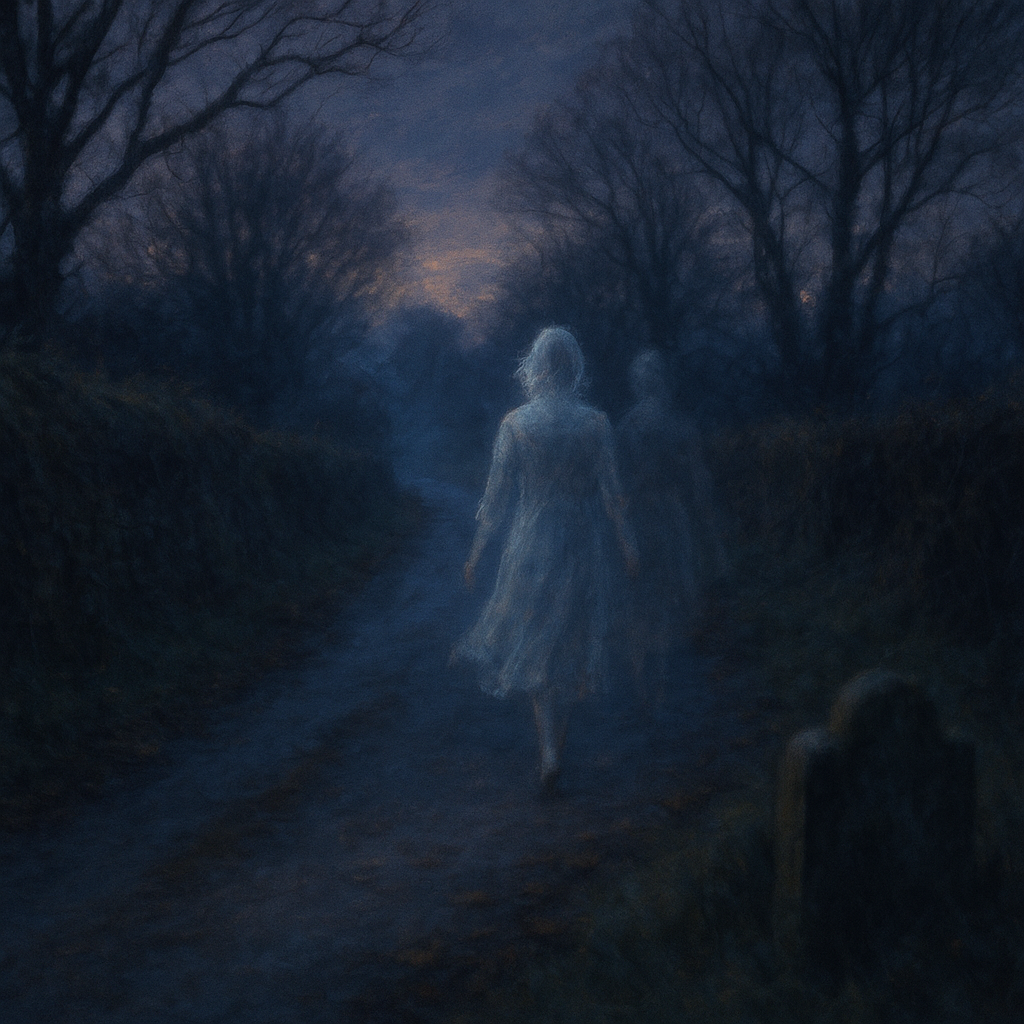
My phantom-footed shape will go
When nightfall grays
Hither and thither along the ways
I and another used to know
In backward days.
And there you’ll find me, if a jot
You still should care
For me, and for my curious air;
If otherwise, then I shall not,
For you, be there.


Credits

Thomas Hardy was a Victorian-era English writer celebrated for both his novels and poetry, though he devoted his later decades almost entirely to verse. This poem reflects Hardy's recurring preoccupation with loss, place, and the persistence of love in memory — themes rooted, many scholars believe, in his deeply complicated relationships throughout his life.