May-Flower

Summary


"May-Flower" is a short poem by Emily Dickinson that captures the delicate arrival of the trailing arbutus, a small wildflower heralding the turn from April's secrecy to May's open bloom. With precise, jewel-like language, Dickinson traces the flower's modest beauty — aromatic, low to the ground, dear to moss and knoll — and elevates it to something held close in every human soul. The poem closes with a bold claim: that this tiny blossom is so vital and alive, nature itself abandons all that came before it.

Read Online

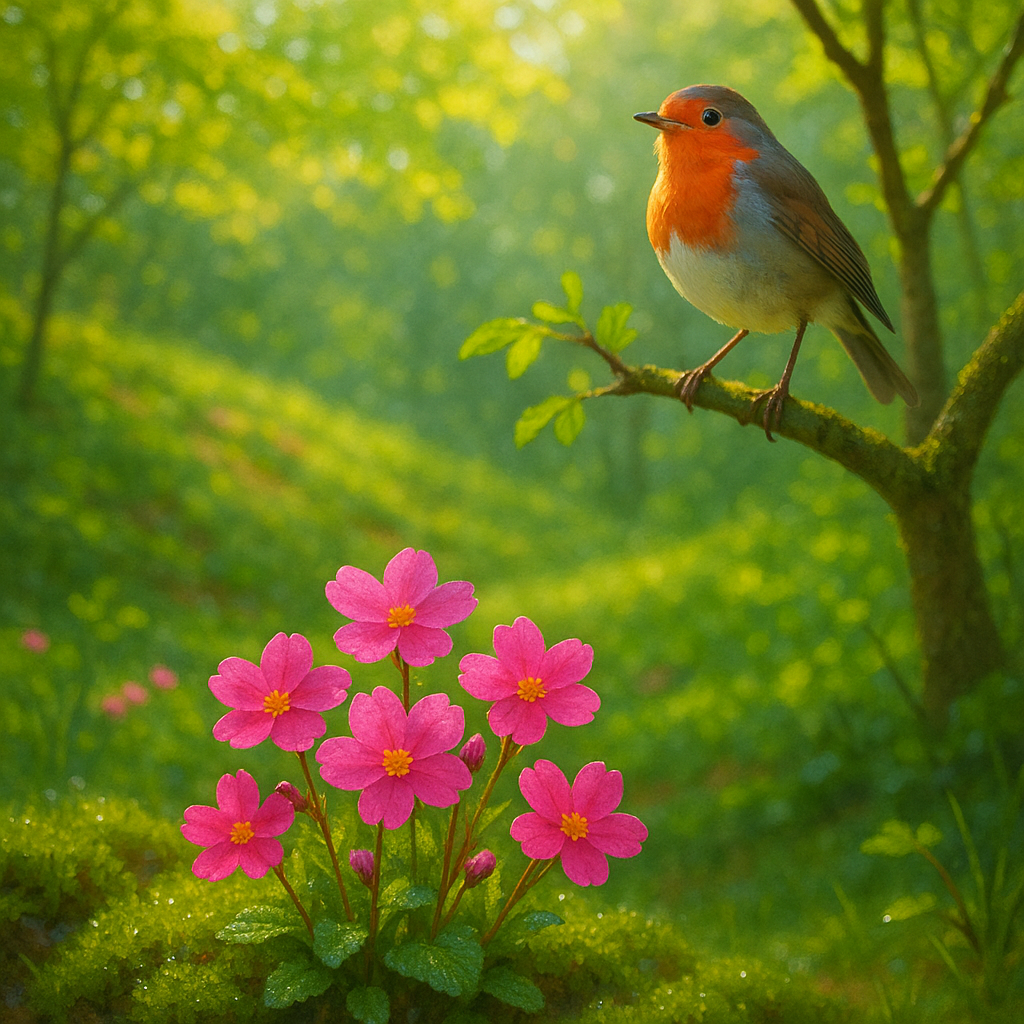
PINK, small, and punctual,
Aromatic, low,
Covert in April,
Candid in May,

Dear to the moss,
Known by the knoll,
Next to the robin
In every human soul.

Bold little beauty,
Bedecked with thee,
Nature forswears
Antiquity.
Credits

Emily Dickinson was a 19th-century American poet, widely regarded as one of the most original voices in the English literary tradition. Known for her reclusive life in Amherst, Massachusetts, she wrote nearly 1,800 poems, most published only after her death. "May-Flower" reflects her characteristic devotion to the small, overlooked wonders of the natural world, particularly the trailing arbutus — a flower she is known to have loved deeply.