Holly Song

Summary


"Holly Song," taken from Shakespeare's *As You Like It*, sets the biting cold of winter wind and bitter sky against something far harsher: the sting of human ingratitude and forgotten friendship. Through its brisk, repeated refrain — "heigh ho, the holly, this life is most jolly" — the poem turns a bleak observation about false friendship and thanklessness into something surprisingly defiant, even cheerful, finding a rugged contentment in the forest and the enduring green of the holly.

Read Online

Blow, blow, thou winter winde,
Thou art not so unkinde,
As mans ingratitude;
Thy tooth is not so keene,
Because thou art not seene,
Although thy breath be rude.
Heigh ho, sing heigh ho, unto the greene holly,
Most frendship, is fayning; most Loving, meere folly:
Then heigh ho, the holly,
This Life is most jolly.

Freize, freize, thou bitter skie
That dost not bite so nigh
As benefitts forgot:
Though thou the waters warpe,
Thy sting is not so sharpe,
As freind remembred not.
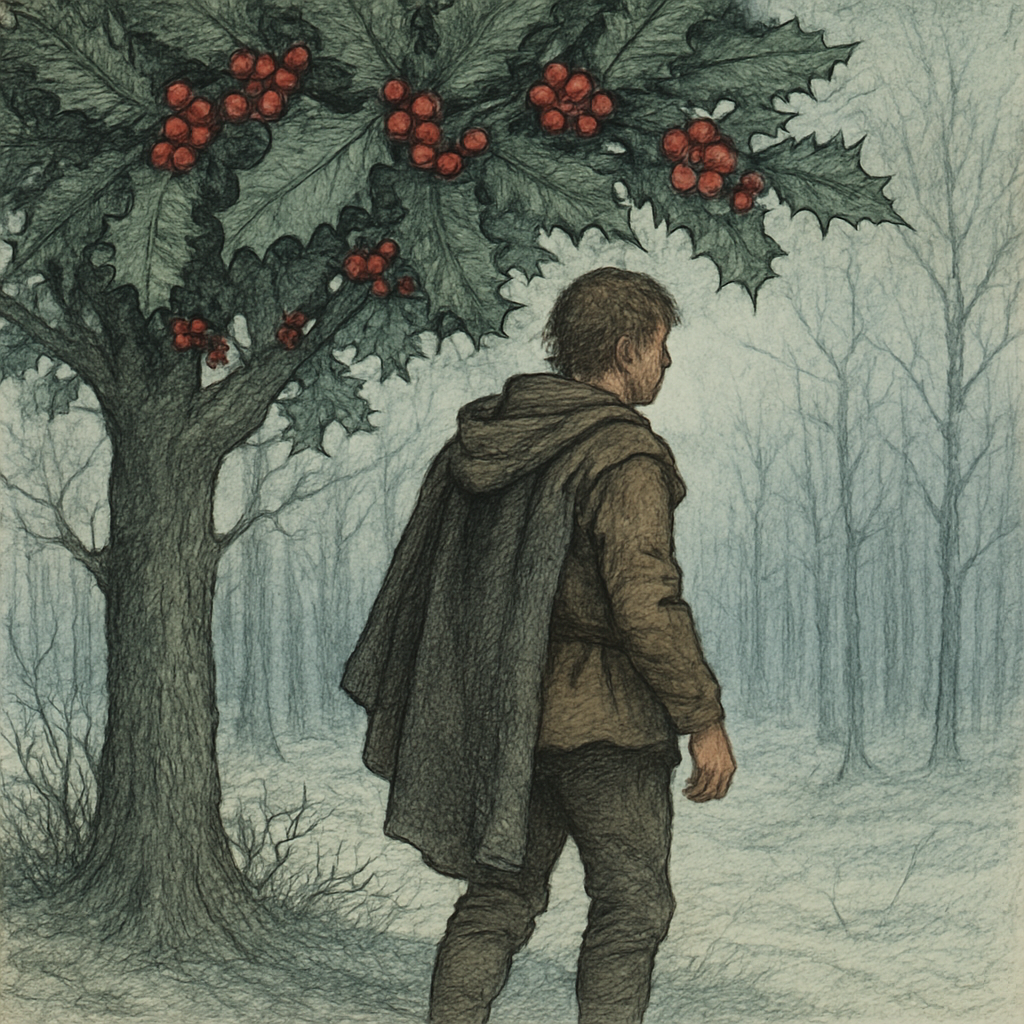
A lone figure in Renaissance dress stands beneath a green holly tree in a winter forest, illustrating Holly Song by Shakespeare.

Heigh ho, sing heigh ho, unto the greene holly,
Most frendship, is fayning; most Loving, meere folly:
Then heigh ho, the holly,
This Life is most jolly.


Add Ririro as a Preferred Source on Google


Credits

Shakespeare was an English playwright, poet, and actor widely regarded as the greatest writer in the English language, active during the late 16th and early 17th centuries. "Holly Song" originates as a sung lyric from Act II of *As You Like It*, composed around 1599, where it is performed in the Forest of Arden as a commentary on the ingratitude of court life.