God rest you merry, gentlemen!
Let nothing you dismay;
Remember Christ our Saviour
Was born upon this day,
To save us all from Satan’s power
When we were gone astray.
O tidings of comfort and joy,
O tidings of comfort and joy.
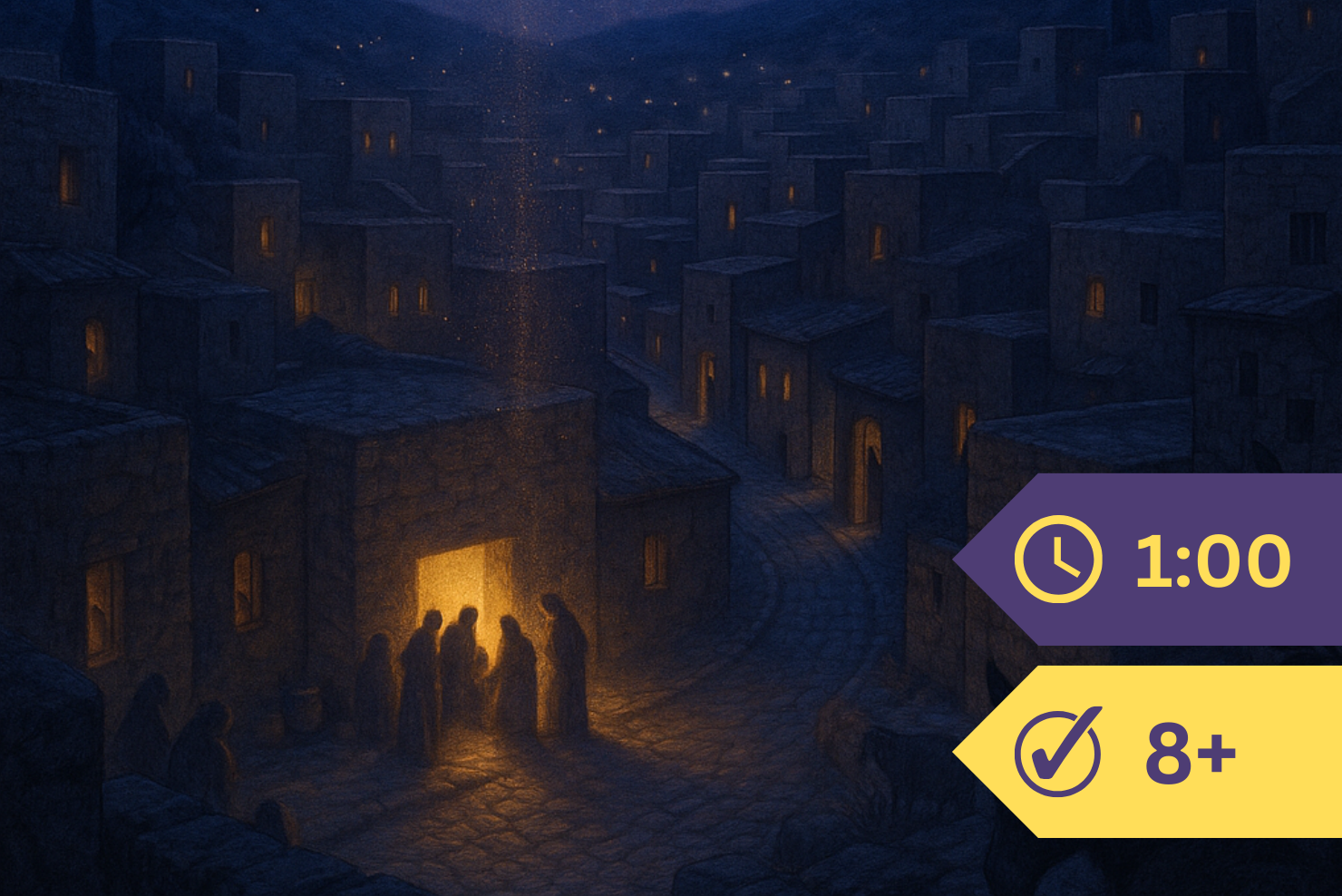
In Bethlehem in Jury
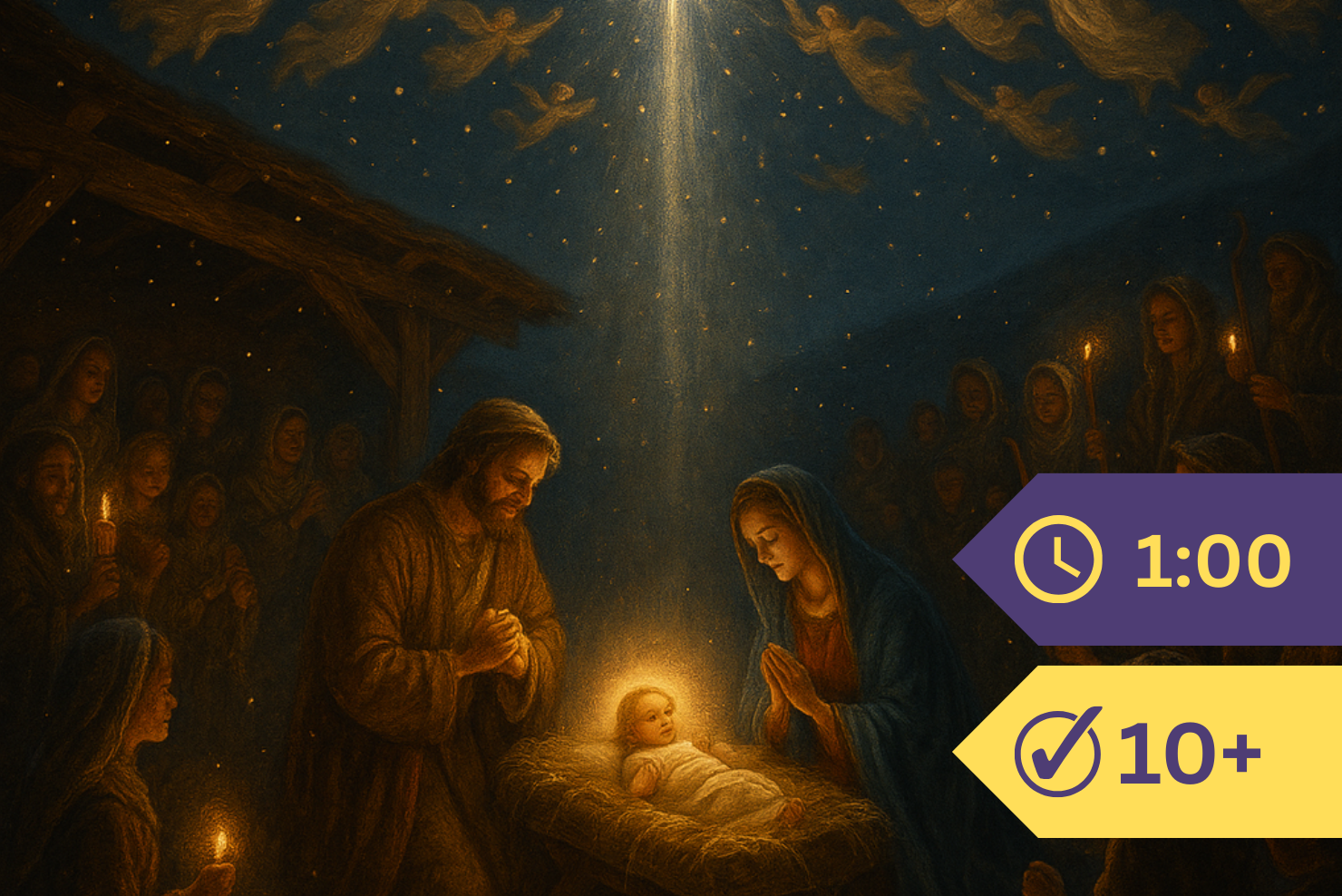
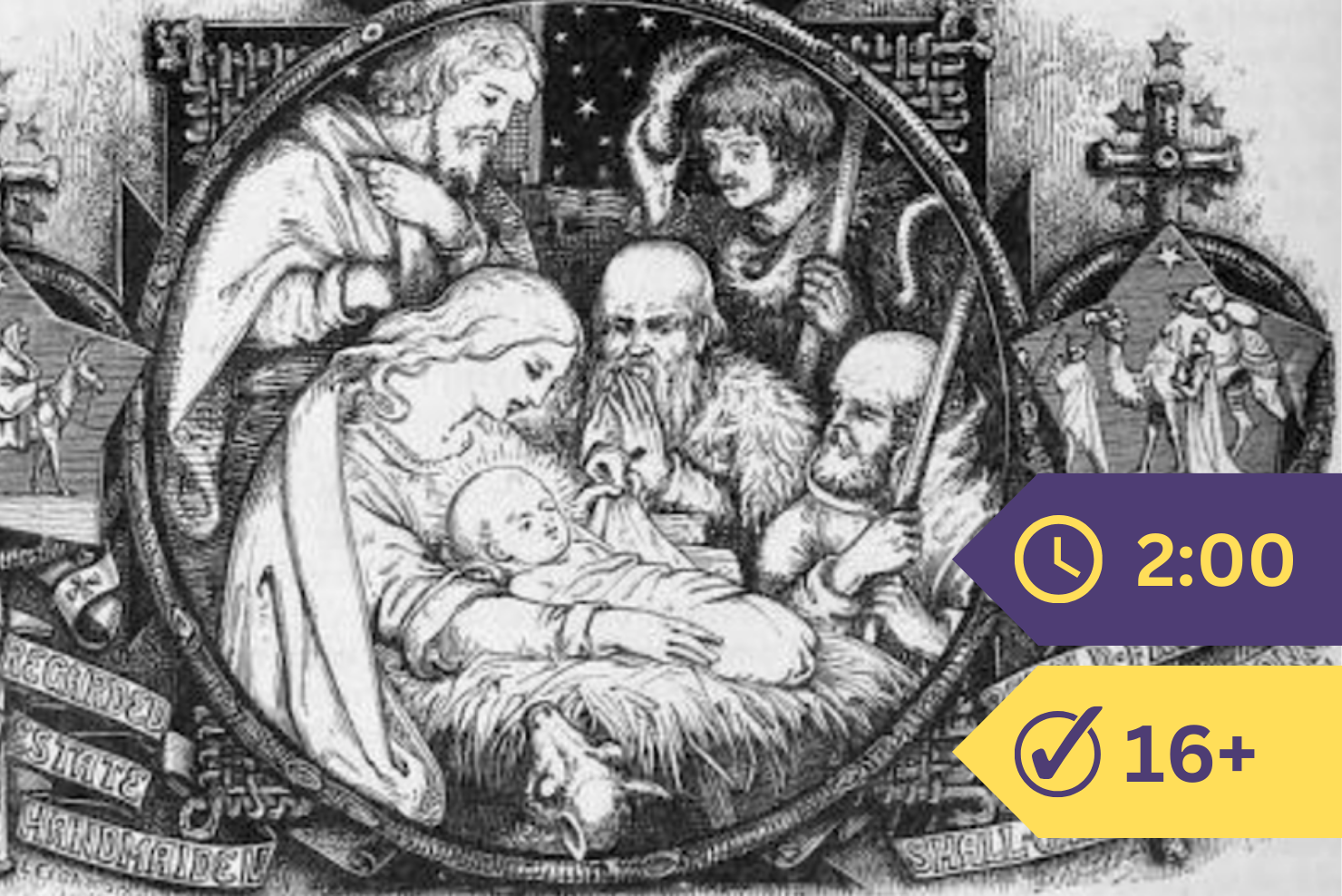
This blessed Babe was born,
And laid within a manger
Upon this blessed morn;
The which His Mother Mary
Nothing did take in scorn.
O tidings of comfort and joy,
O tidings of comfort and joy.
From God, our Heavenly Father,
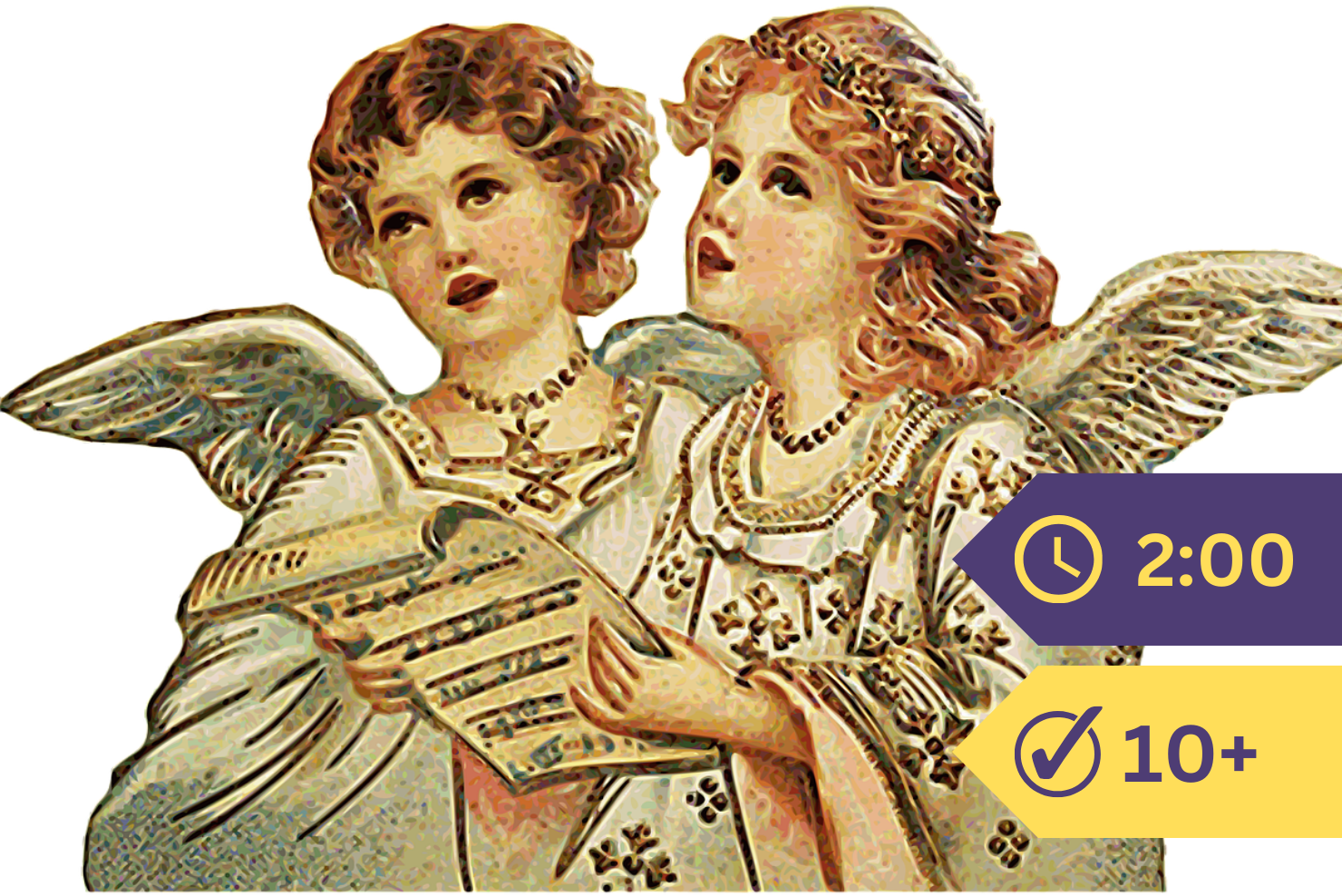
A blessed angel came,
And unto certain shepherds
Brought tidings of the same,
How that in Bethlehem was born
The Son of God by name.
O tidings of comfort and joy,
O tidings of comfort and joy.
“Fear not,” then said the angel,
“Let nothing you affright;
This day is born a Saviour
Of virtue, power, and might;
So frequently to vanquish all
The friends of Satan quite.”
O tidings of comfort and joy,
O tidings of comfort and joy.
The shepherds at those tidings
Rejoiced much in mind,
And left their flocks a-feeding
In tempest, storm, and wind,
And went to Bethlehem straightway
This blessed Babe to find.
O tidings of comfort and joy,
O tidings of comfort and joy.
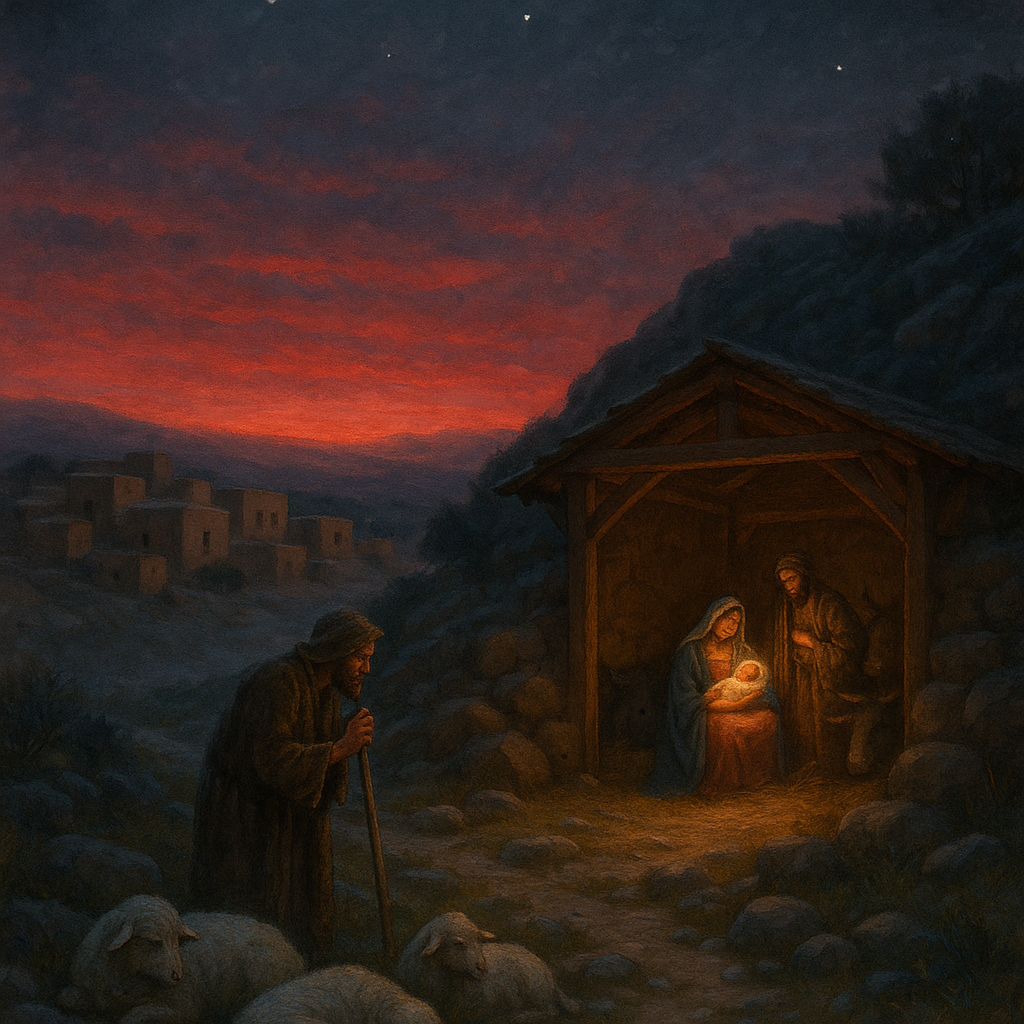
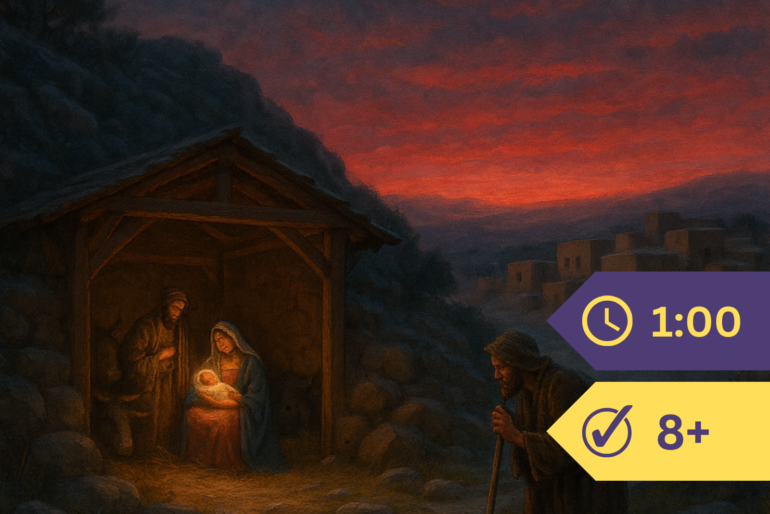
But when to Bethlehem they came,
Where this dear Infant lay,
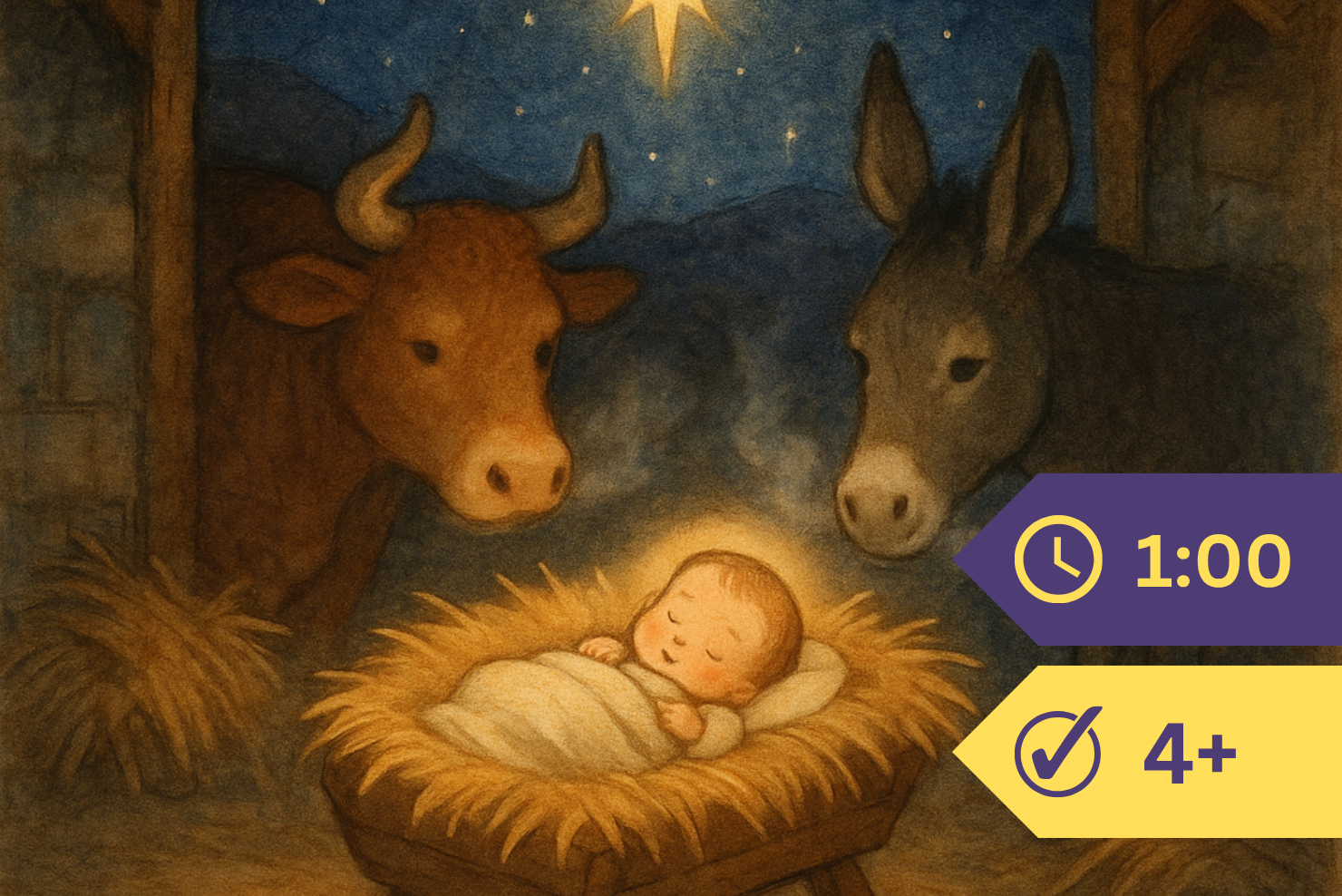
They found Him in a manger
Where oxen feed on hay;
His mother Mary, kneeling,
Unto the Lord did pray.
O tidings of comfort and joy,
O tidings of comfort and joy.
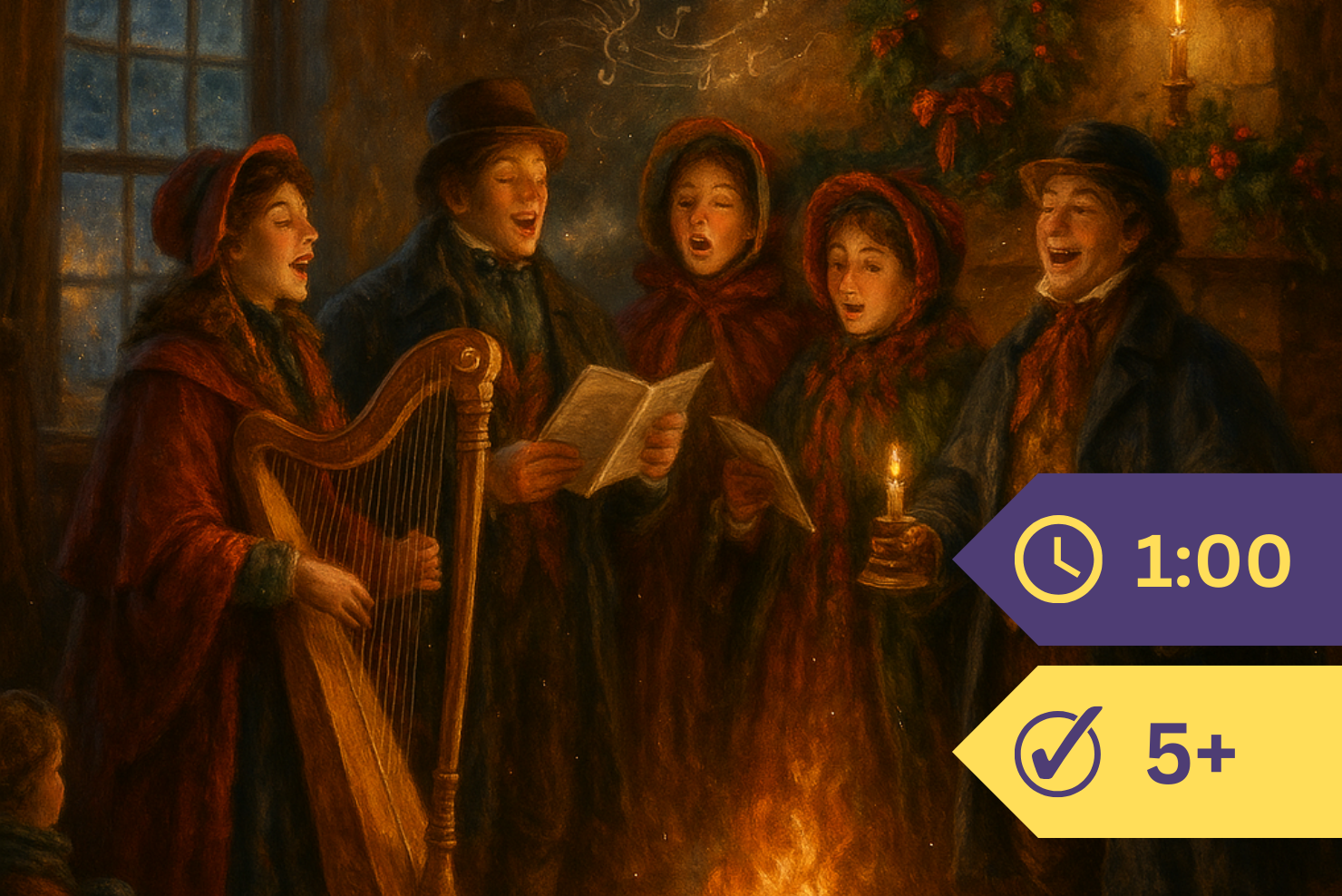
Now to the Lord sing praises,
All you within this place,
And with true love and brotherhood
Each other now embrace;
This holy-tide of Christmas
All others doth efface.
O tidings of comfort and joy,
O tidings of comfort and joy.