
Auld Lang Syne

Summary


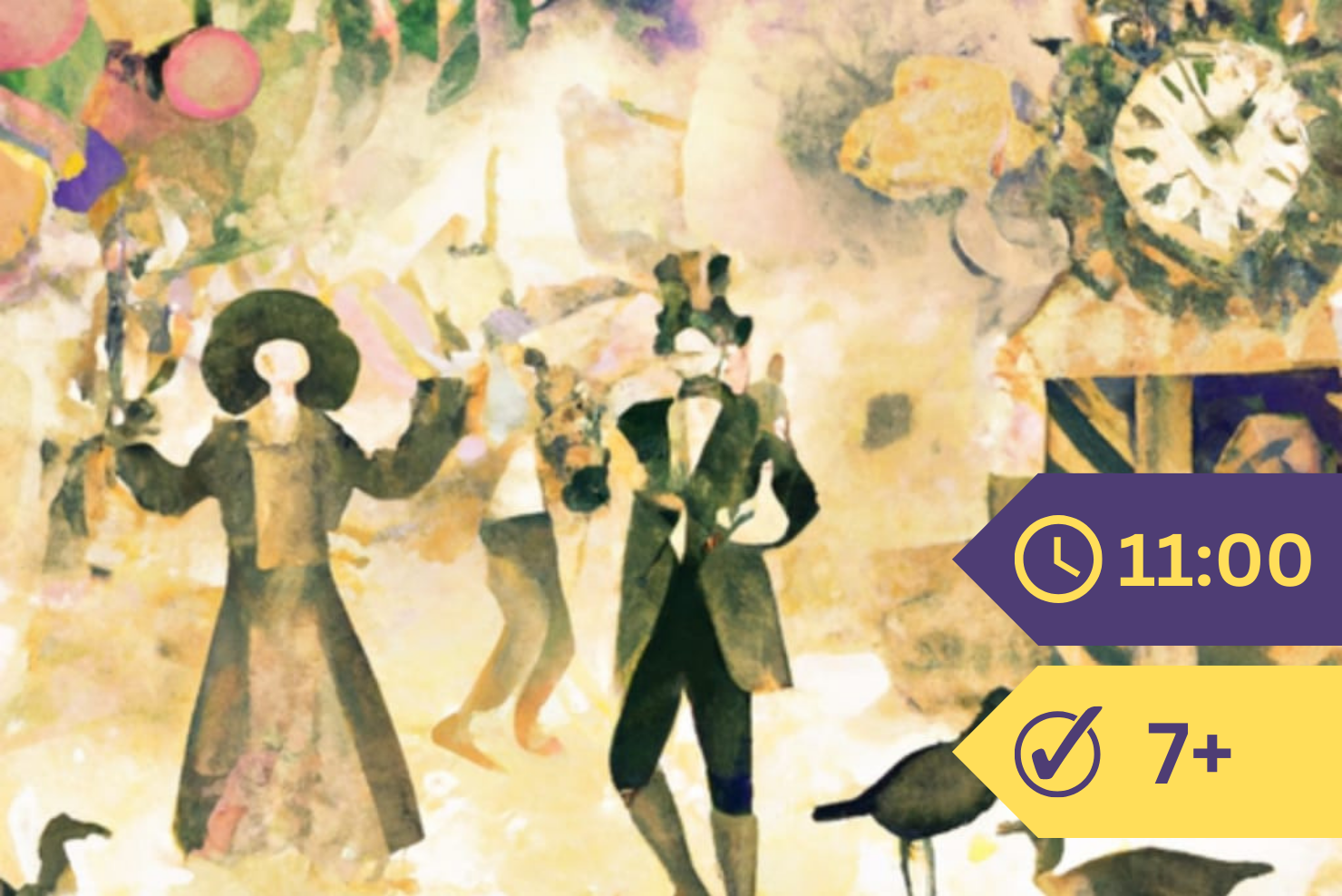
"Auld Lang Syne" by Robert Burns is a lyric poem about the enduring power of old friendships and the bittersweet pull of memory. Two old companions raise a cup of kindness and recall the days they ran barefoot across hillsides, waded in streams from morning until dusk, and roamed freely together. Now separated by vast seas and weary miles, they reach out across the distance — hand grasping hand — to honour what was shared and insist it should never be forgotten.

Listen to audio


Read Online

Should auld acquaintance be forgot,
and never brought to mind?
Should auld acquaintance be forgot,
and auld lang syne?

For auld lang syne, my jo,
for auld lang syne,
we’ll tak’ a cup o’ kindness yet,
for auld lang syne.

And surely ye’ll be your pint-stoup!
and surely I’ll be mine!
And we’ll tak’ a cup o’ kindness yet,
for auld lang syne.

For auld lang syne, my jo,
for auld lang syne,
we’ll tak’ a cup o’ kindness yet,
for auld lang syne.

We twa hae run about the braes,
and pou’d the gowans fine;
But we’ve wander’d mony a weary fit,
sin’ auld lang syne.

For auld lang syne, my jo,
for auld lang syne,
we’ll tak’ a cup o’ kindness yet,
for auld lang syne.

We twa hae paidl’d in the burn,
frae morning sun till dine;
But seas between us braid hae roar’d
sin’ auld lang syne.

For auld lang syne, my jo,
for auld lang syne,
we’ll tak’ a cup o’ kindness yet,
for auld lang syne.

And there’s a hand, my trusty fiere!
and gie’s a hand o’ thine!
And we’ll tak’ a right gude-willie waught,
for auld lang syne.

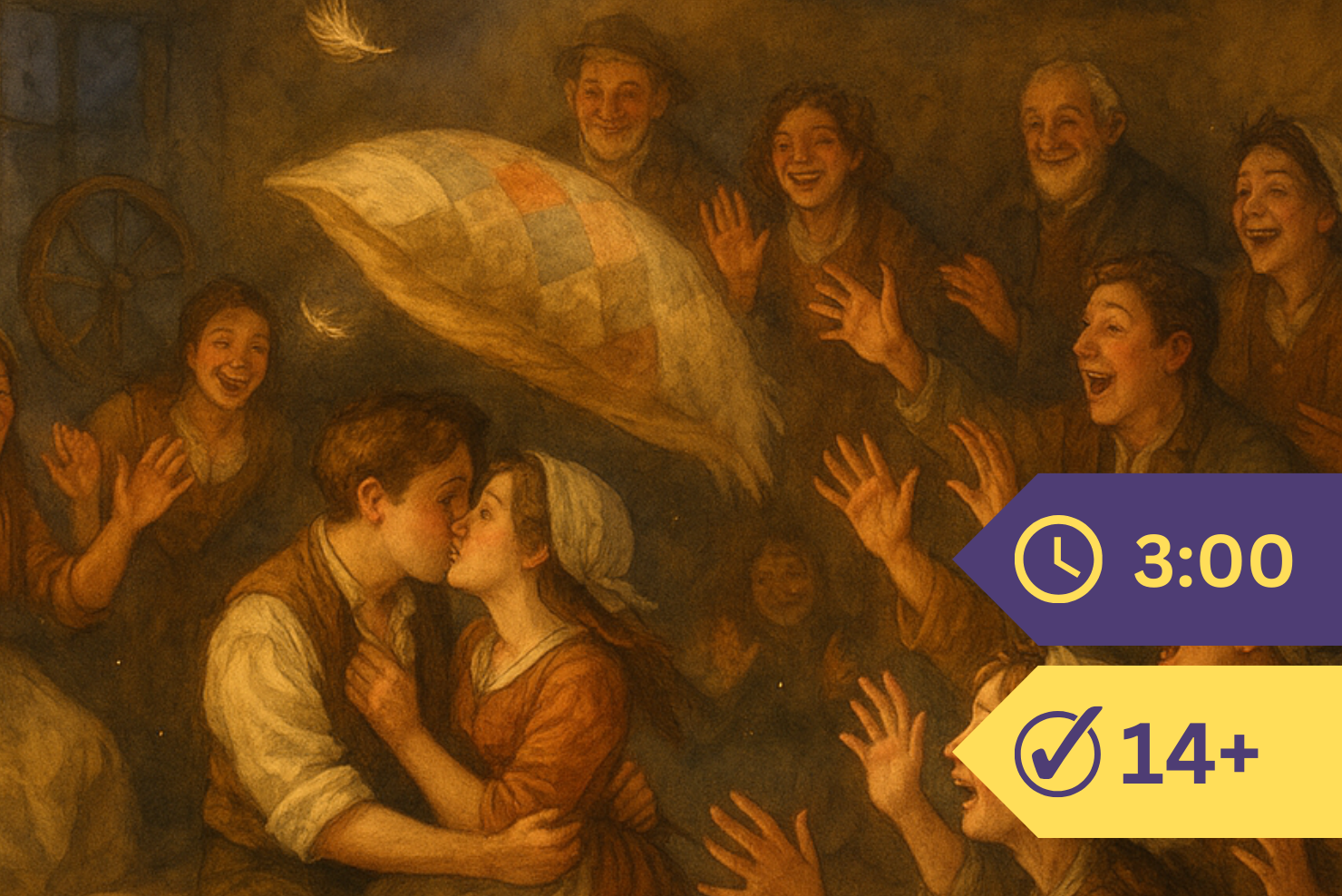
Two old friends clasp hands over cups of ale in a candlelit tavern, illustrating Auld Lang Syne by Robert Burns.

For auld lang syne, my jo,
for auld lang syne,
we’ll tak’ a cup o’ kindness yet,
for auld lang syne.

Add Ririro as a Preferred Source on Google


Credits

Robert Burns was an 18th-century Scottish poet widely regarded as the national bard of Scotland, celebrated for his lyric verse written in the Scots language. He composed "Auld Lang Syne" in 1788, basing it partly on an older Scottish folk song, and sent it to the Scots Musical Museum describing it as "a song never in print." The poem became the world's most widely sung farewell anthem, performed at New Year's celebrations across the globe.