He comes in the night! He comes in the night!
He softly, silently comes;
While the little brown heads on the pillows so white
Are dreaming of bugles and drums.
He cuts through the snow like a ship through the foam,
While the white flakes around him whirl;
Who tells him I know not, but he findeth the home
Of each good little boy and girl.
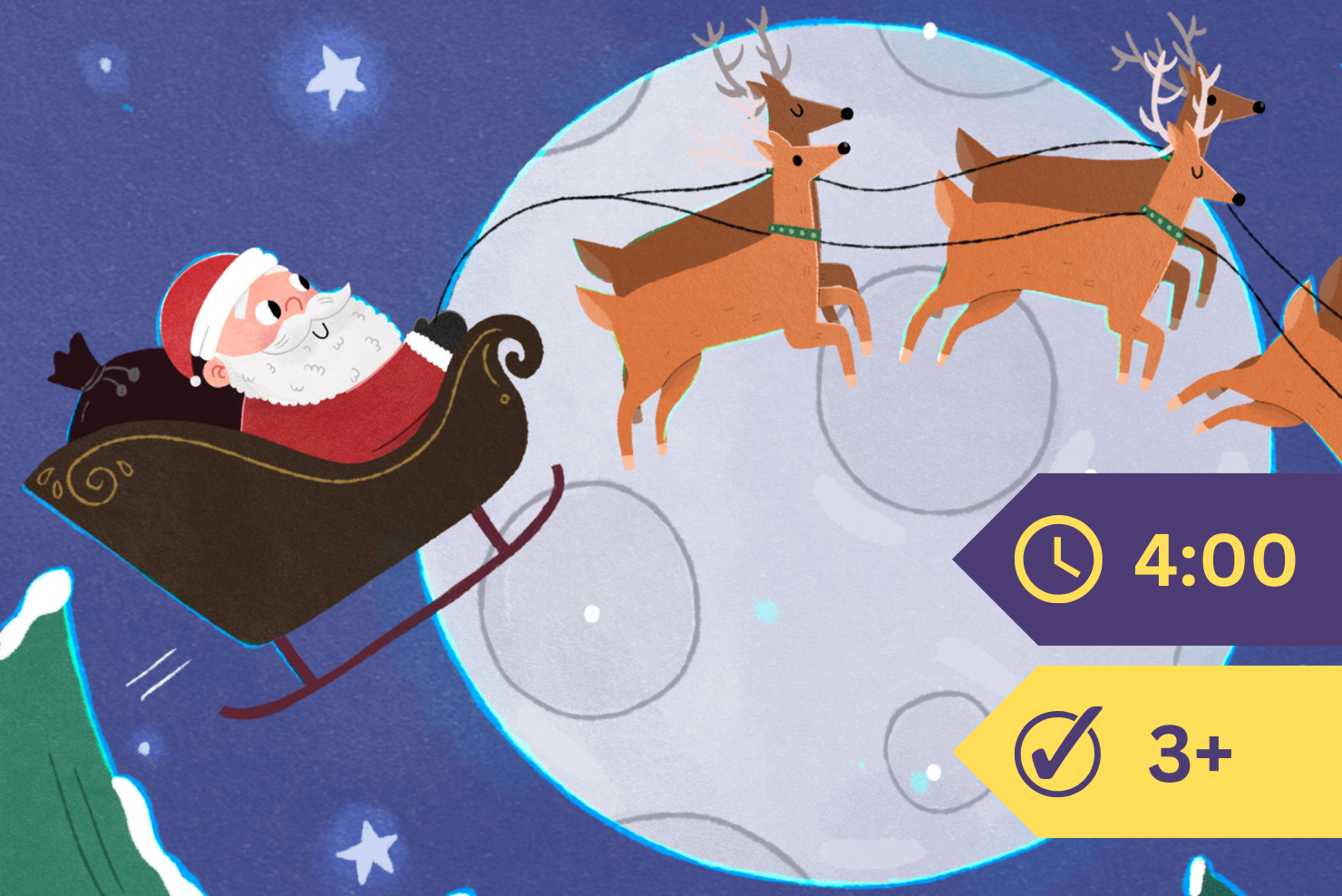
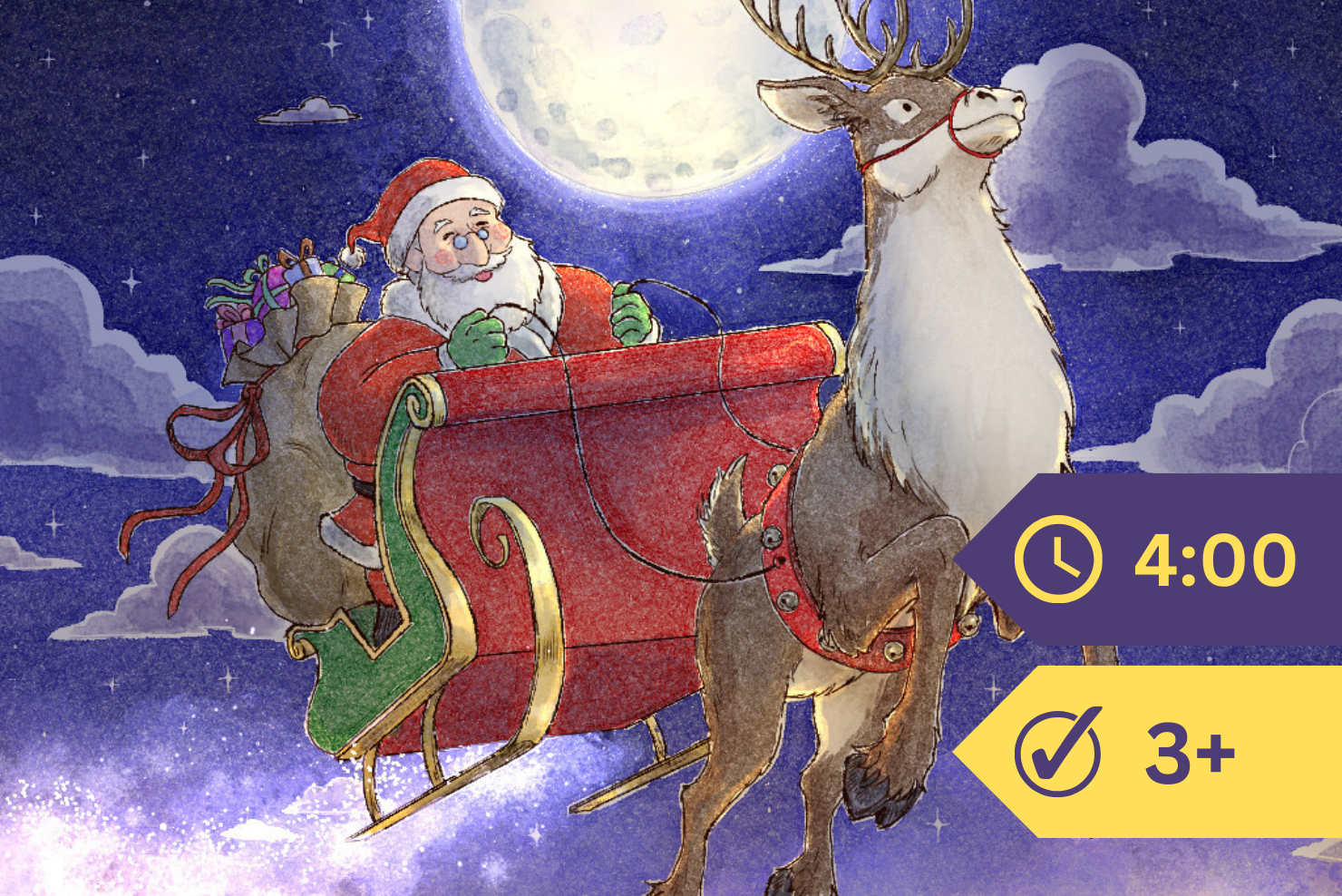
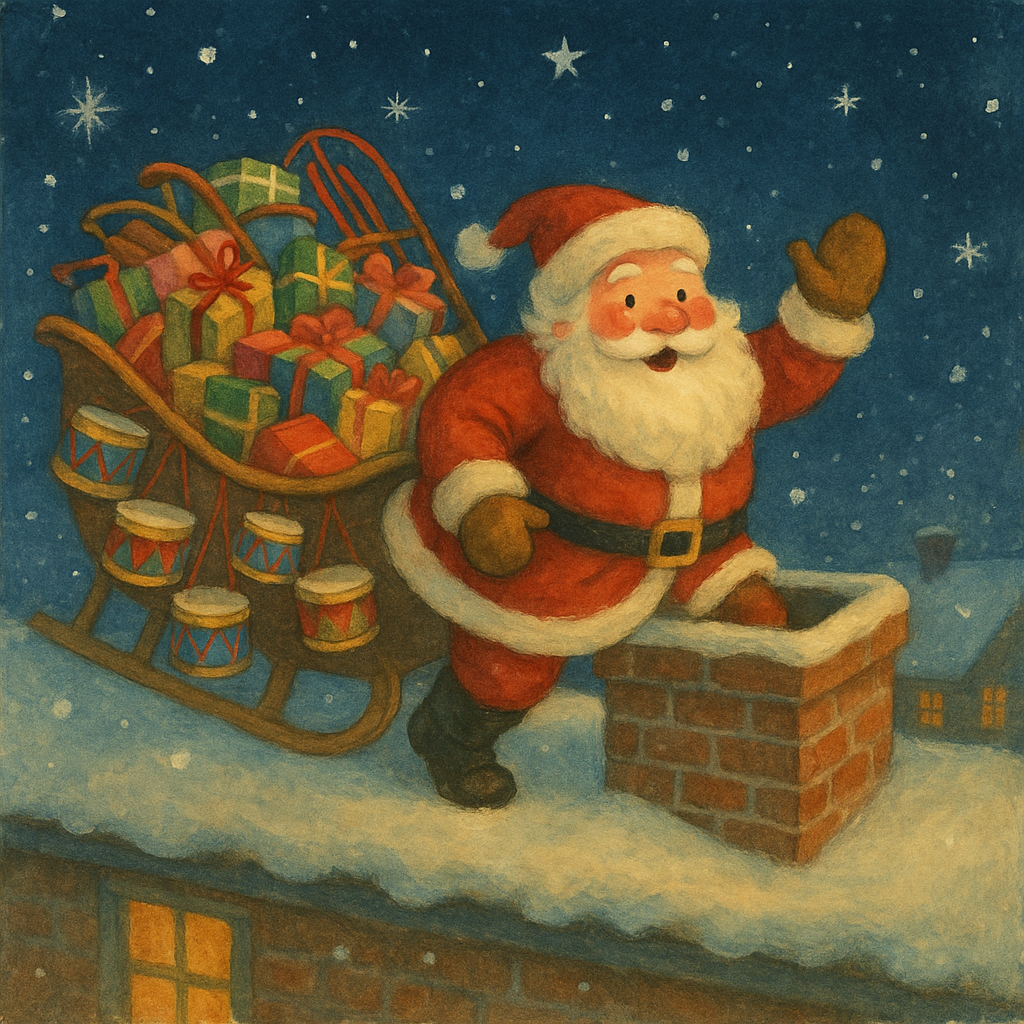
His sleigh it is long, and deep, and wide;
It will carry a host of things,
While dozens of drums hang over the side,
With the sticks sticking under the strings:
And yet not the sound of a drum is heard,
Not a bugle blast is blown,
As he mounts to the chimney-top like a bird,
And drops to the hearth like a stone.
The little red stockings he silently fills,
Till the stockings will hold no more;
The bright little sleds for the great snow hills
Are quickly set down on the floor.
Then Santa Claus mounts to the roof like a bird,
And glides to his seat in the sleigh;
Not the sound of a bugle or drum is heard
As he noiselessly gallops away.
He rides to the East, and he rides to the West,
Of his goodies he touches not one;
He eateth the crumbs of the Christmas feast
When the dear little folks are done.
Old Santa Claus doeth all that he can;
This beautiful mission is his;
Then, children, be good to the little old man,
When you find who the little man is.