Valentine was a bishop who lived long, long ago — in the third century, when Rome still ruled a great part of the world. He was a gentle, generous man who went about quietly doing kind things for the people around him.
But kindness was not always safe in those days. Some of the Romans disliked him, and they had him put to death.
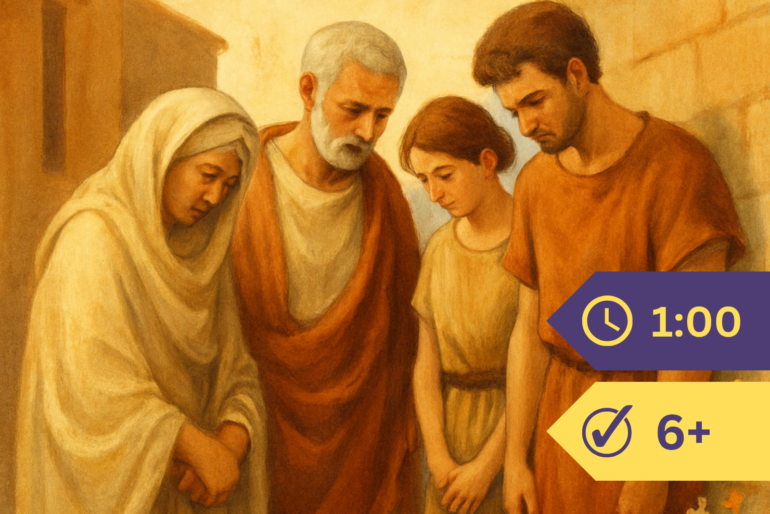
His friends were heartbroken. For days they could talk of nothing else — walking through the city, sitting in their homes, they kept coming back to the same things: the good he had done, the people he had helped, the simple warmth of his presence. The older people told the younger people about him. The stories spread, and grew, and every year around the time of his death, people gathered to remember.

Slowly, over many years, he came to be known as Saint Valentine.
And that is why, to this day, we send little messages to the people we love and think of on that day. We are doing what Bishop Valentine always did — reaching out to tell someone: I am thinking of you. I am glad you are in the world.
We call them valentines because they are, at heart, just that.