The Trees Under the Protection of the Gods

Summary


"The Trees Under the Protection of the Gods" is a short fable by Aesop in which the gods each claim a sacred tree — Jupiter the oak, Venus the myrtle, Apollo the laurel — while Minerva questions why none have chosen a fruit-bearing tree. When she declares the olive dearer to her for its fruit, Jupiter affirms her wisdom with a pointed truth: glory without usefulness is empty. The fable builds its tension quietly, letting Minerva's practical reasoning challenge the pride of Olympus itself.


Read Online

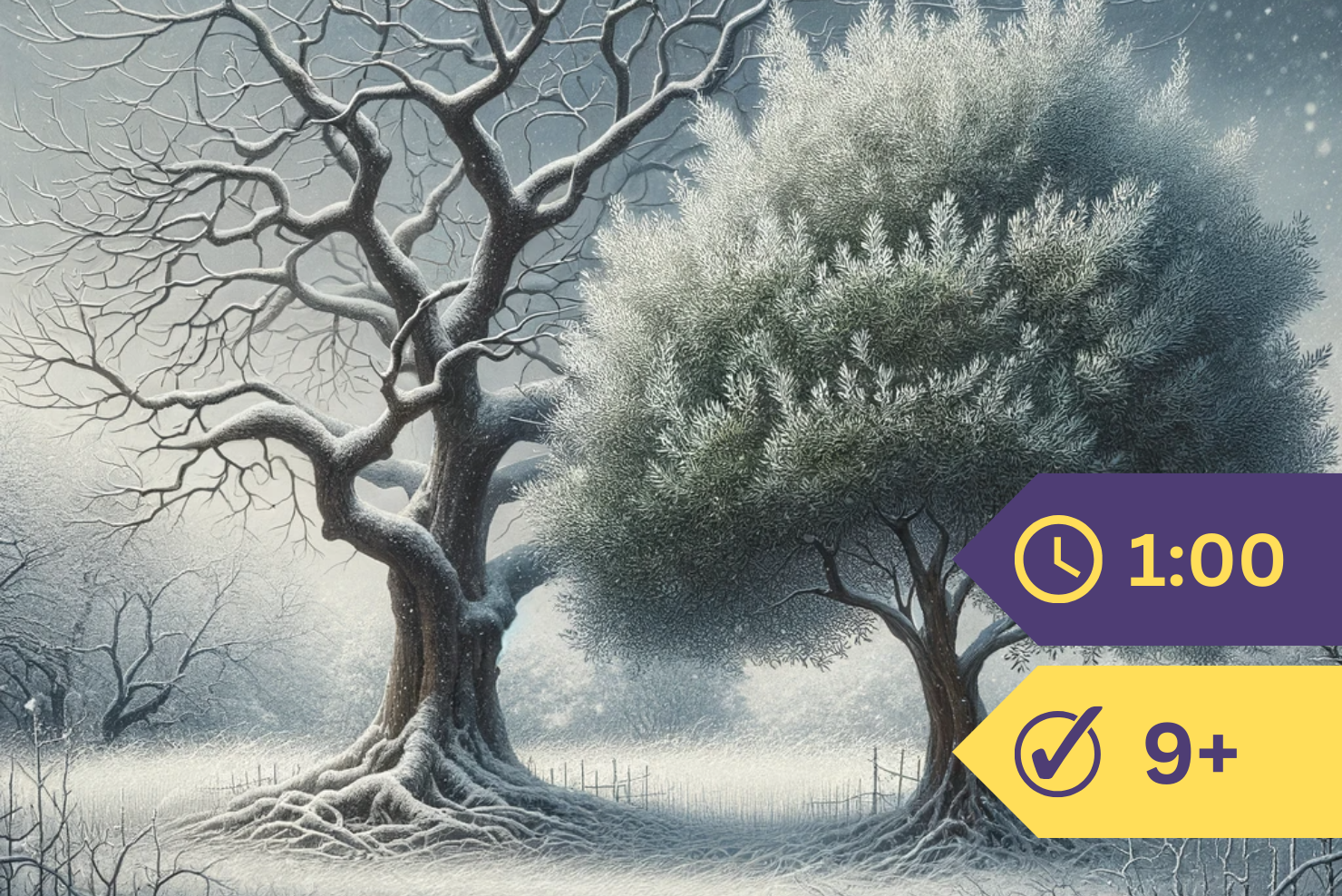
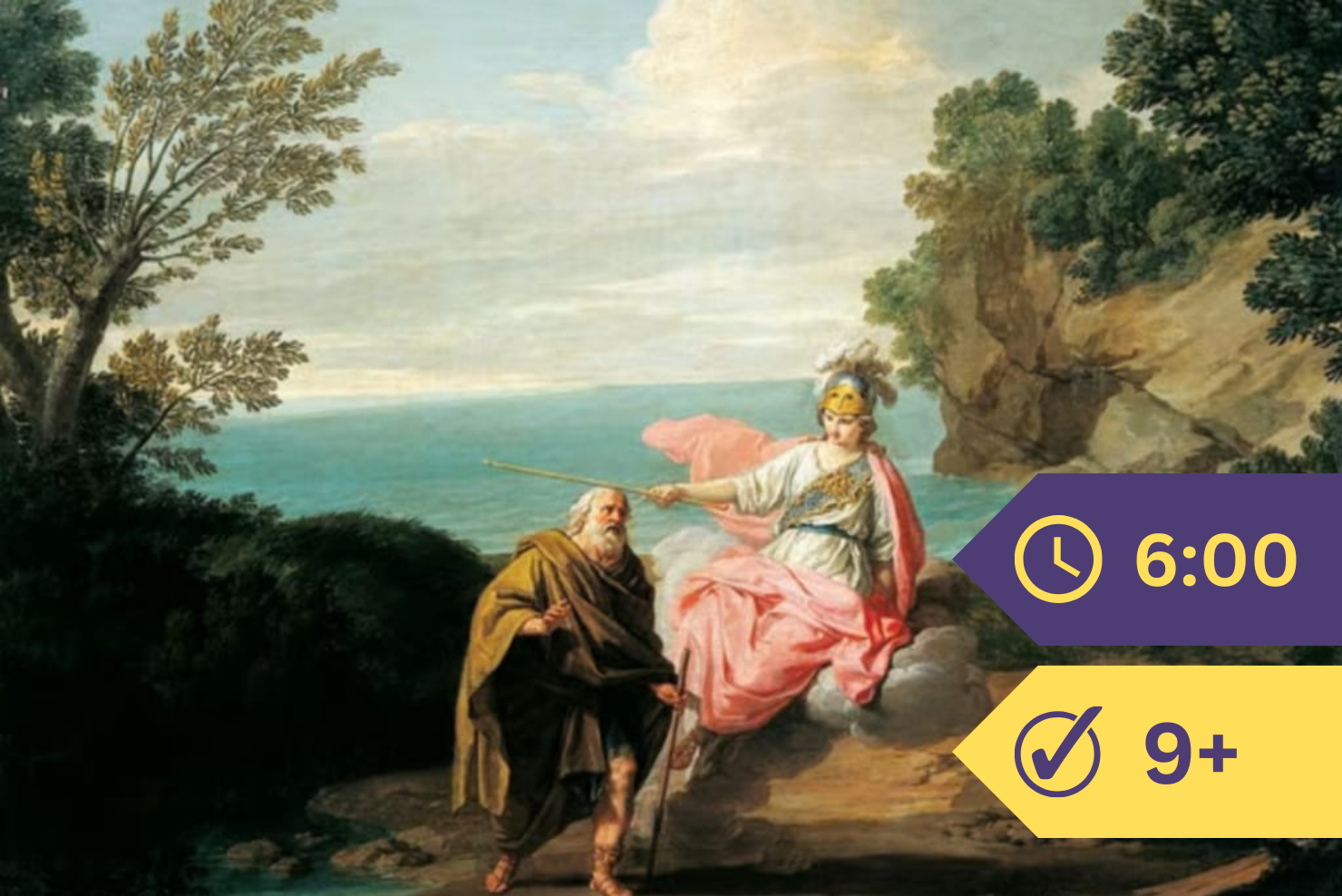
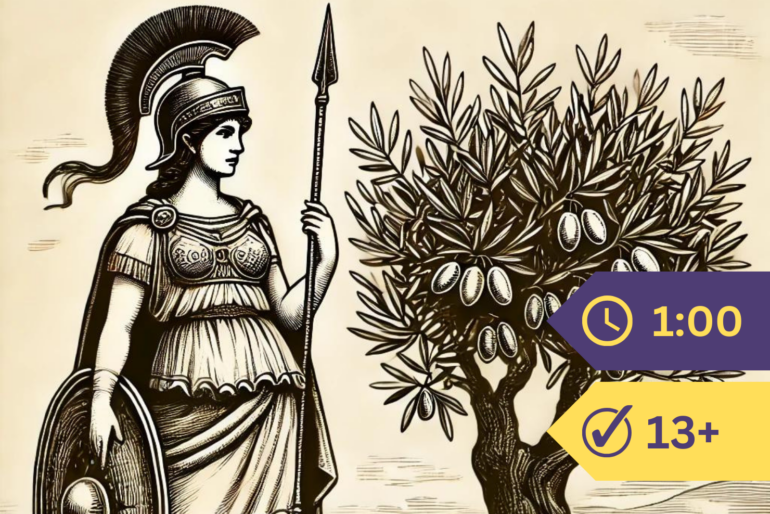
The Gods, according to an ancient legend, made choice of certain trees to be under their special protection. Jupiter chose the oak, Venus the myrtle, Apollo the laurel, Cybele the pine, and Hercules the poplar. Minerva, wondering why they had preferred trees not yielding fruit, inquired the reason for their choice. Jupiter replied, “It is lest we should seem to covet the honor for the fruit.” But said Minerva, “Let anyone say what he will the olive is more dear to me on account of its fruit.” Then said Jupiter, “My daughter, you are rightly called wise; for unless what we do is useful, the glory of it is vain.”


Credits

Aesop was an ancient Greek storyteller, believed to have lived around 620–564 BCE, whose fables have been retold across cultures for over two millennia. This particular fable uses the divine hierarchy of Olympus as a stage for one of Aesop's most enduring themes: that true worth lies in what is useful, not merely what is glorious.