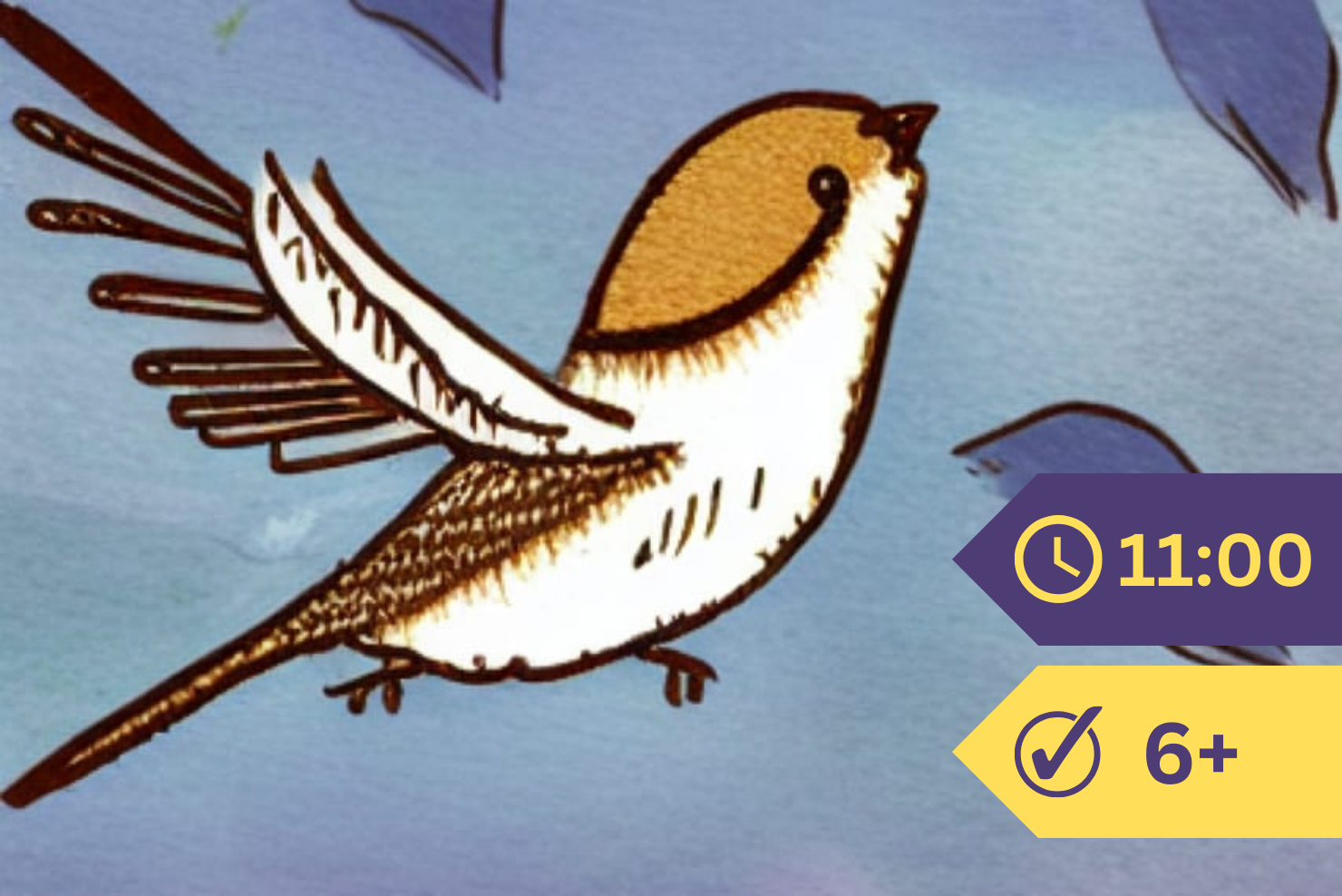
Elizabeth’s canary was named Bubsie, and Bubsie knew it. Whenever she called his name, he answered with a small, bright “Peep, peep!” — which in canary language meant roughly Yes, that’s me, hello.
Every morning he woke before she did and began to sing. He sang with such commitment that Elizabeth sometimes wondered privately whether his small throat could hold up.
His daily routine was a settled and happy thing. First, when she came to his cage, he received a piece of apple — picked carefully from her fingertip through the cage wires. Then came the bath, which was the best part of his day. He splashed water everywhere and made a tremendous enthusiastic mess, and hopped about afterwards feeling vigorous and energetic. He finished with a piece of fresh lettuce and a long sit in the sun, smoothing his feathers back into order with his beak.
Then he swung on his swing. He hopped between his perches. He generally let off some energy before settling into a calmer afternoon.
In the afternoon, Elizabeth opened the cage. She always checked carefully first: no windows open, no doors ajar. Then she stood back.
Bubsie flew out and toured the whole room — perching behind pictures, investigating the windowsill, making a full inspection of everything. But what he liked best was playing with Elizabeth herself. He’d land on her shoulder and walk along her arm. He’d peer at her with one bright eye and then the other.
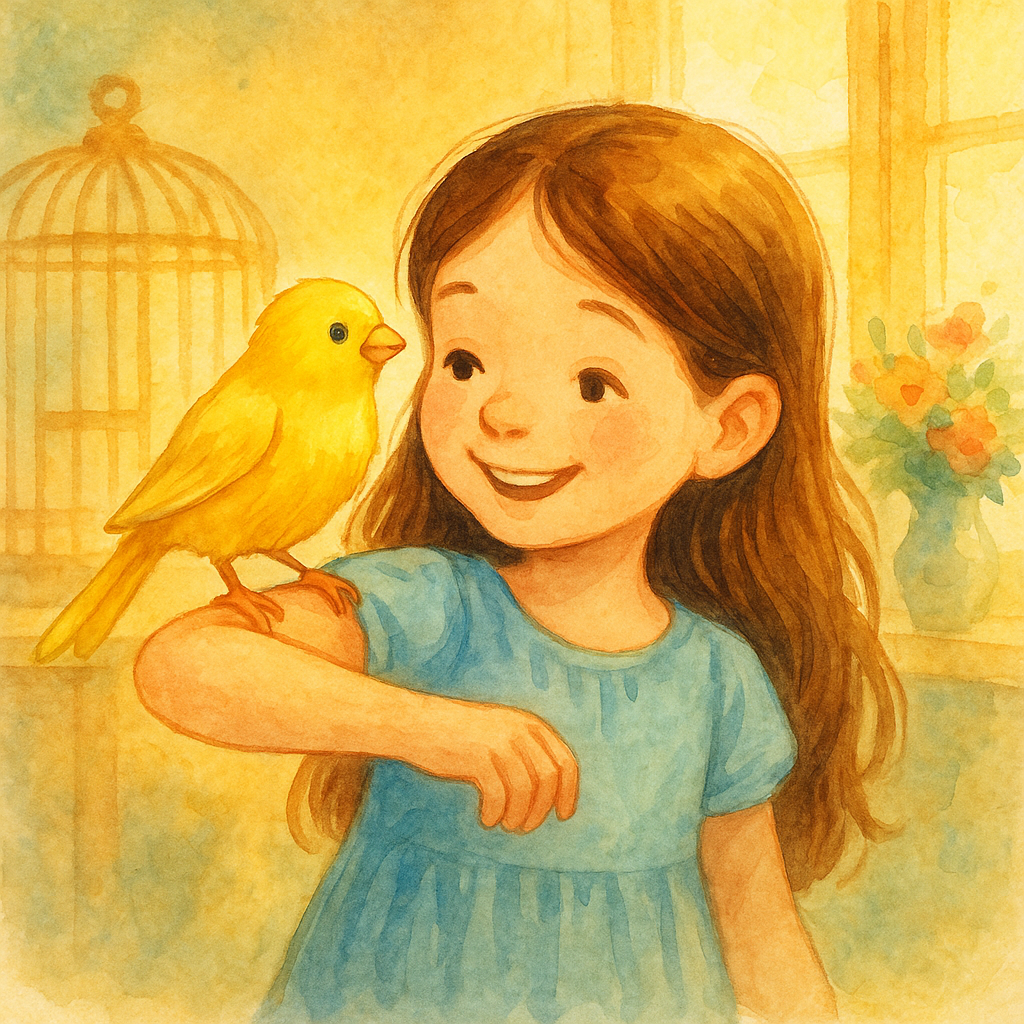
And whenever there were flowers in the room, he made straight for them and began nibbling, and then absolutely refused to be caught. He’d fly to the highest point he could find and start singing — which was, everyone agreed, his favorite trick of all.