Summary


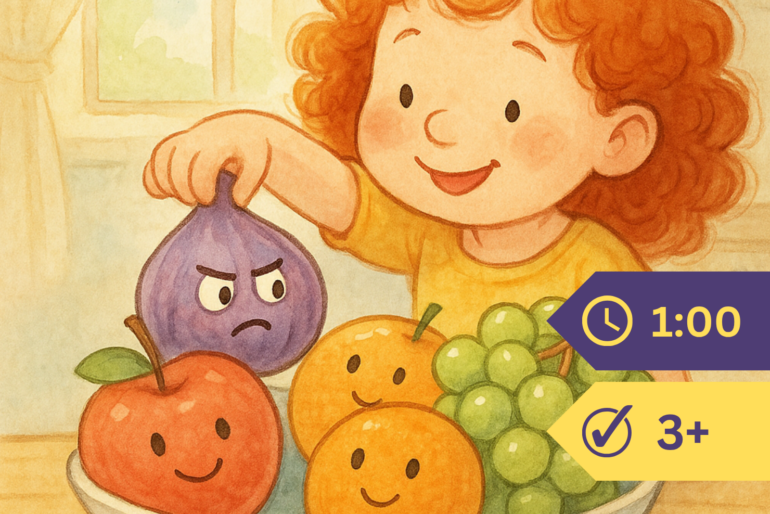
"The Fig" opens with an indignant piece of fruit who has overheard a hurtful expression and taken it personally. Sitting in a fruit dish beside an Apple, a couple of Oranges, and a bunch of Grapes, the Fig is furious — certain that humans have been insulting its entire family. The Apple gently explains the old saying, and the Fig's wounded pride slowly softens. Before long, a child reaches into the dish with a warm declaration of love, and the Fig's happiness is fully restored.

Listen to audio


Read Online

“I’m mad,” announced the Fig.

The Fig was sitting in the fruit dish alongside an apple, a couple of oranges, and a bunch of grapes.

“What are you mad about?” asked the Apple.

“I heard people talking about someone they considered perfectly awful — mean, unfair, all of that — and they said he wasn’t worth a fig. It was cruel, that’s what it was.”

“I see completely why you’re upset,” said the Apple. “But listen — when someone says a person isn’t worth a fig, they’re not insulting the fig family. It’s simply an old expression people have used for a very long time. It means ‘not worth thinking about at all.’ There’s no slight against figs specifically.”

The Fig considered this. The Fig’s feelings began to ease.

Then a lovely child came past the fruit dish, reached in, and picked the Fig up.

“I simply love figs,” the child said.
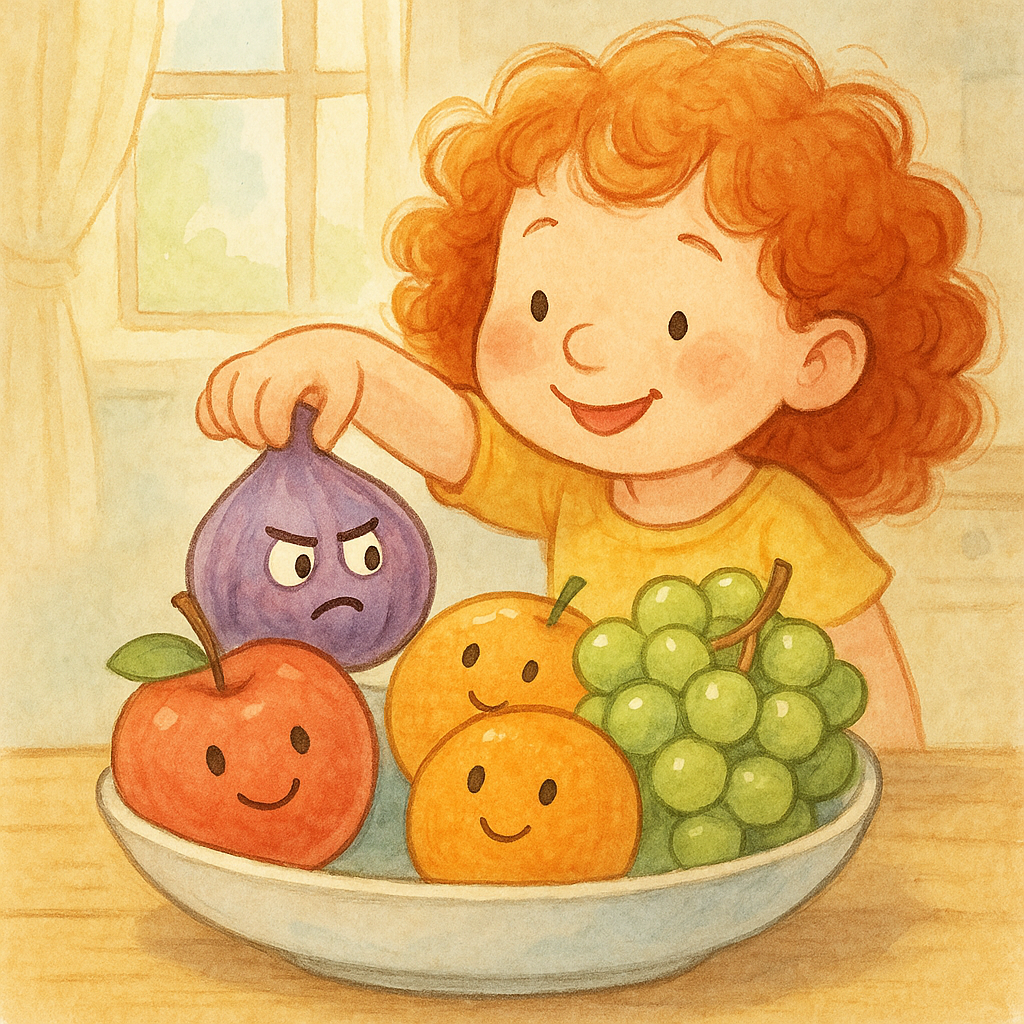
A smiling girl reaches for a happy fig in a fruit dish, illustrated scene from The Fig

And the Fig was entirely happy again.


Add Ririro as a Preferred Source on Google


Credits

Mary Graham Bonner was an American author active in the early twentieth century, best known for her witty and imaginative stories and poems written for children. "The Fig" showcases her signature playful style, giving everyday objects lively personalities and using light humour to explore how misunderstandings can sting — and how easily they can be resolved.