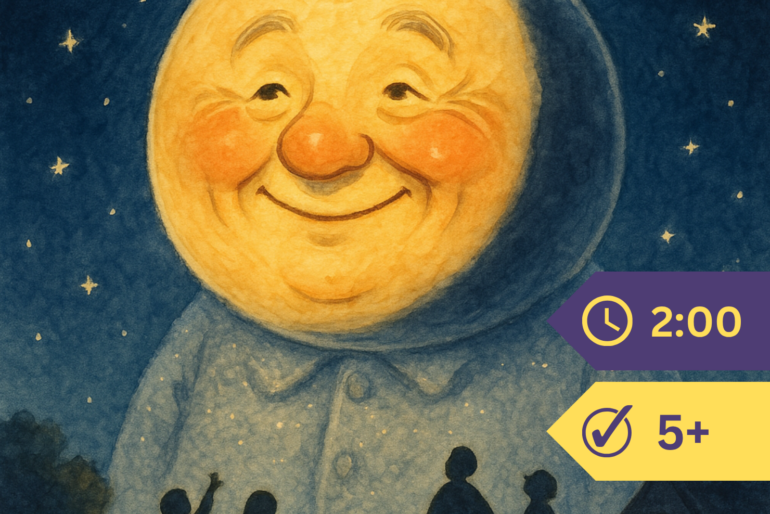
The Moon had been preparing all day.
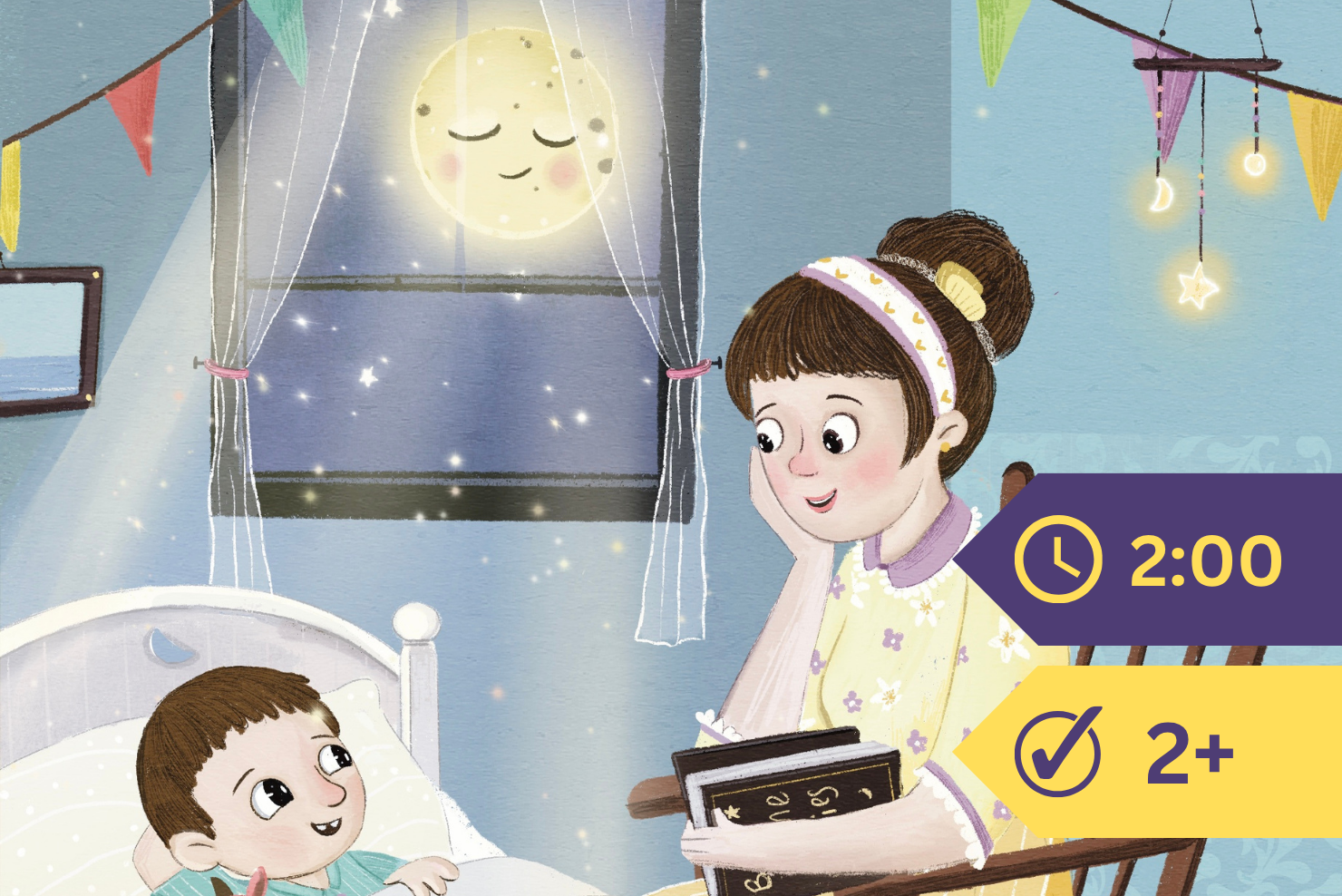
He was rounder and brighter than usual, dressed in his very best light, winking at the stars, who winked back — because they knew, as he knew, what was coming.
“The Earth is paying me a visit tonight,” said the Moon to himself. “It doesn’t happen often. I must look my finest.”
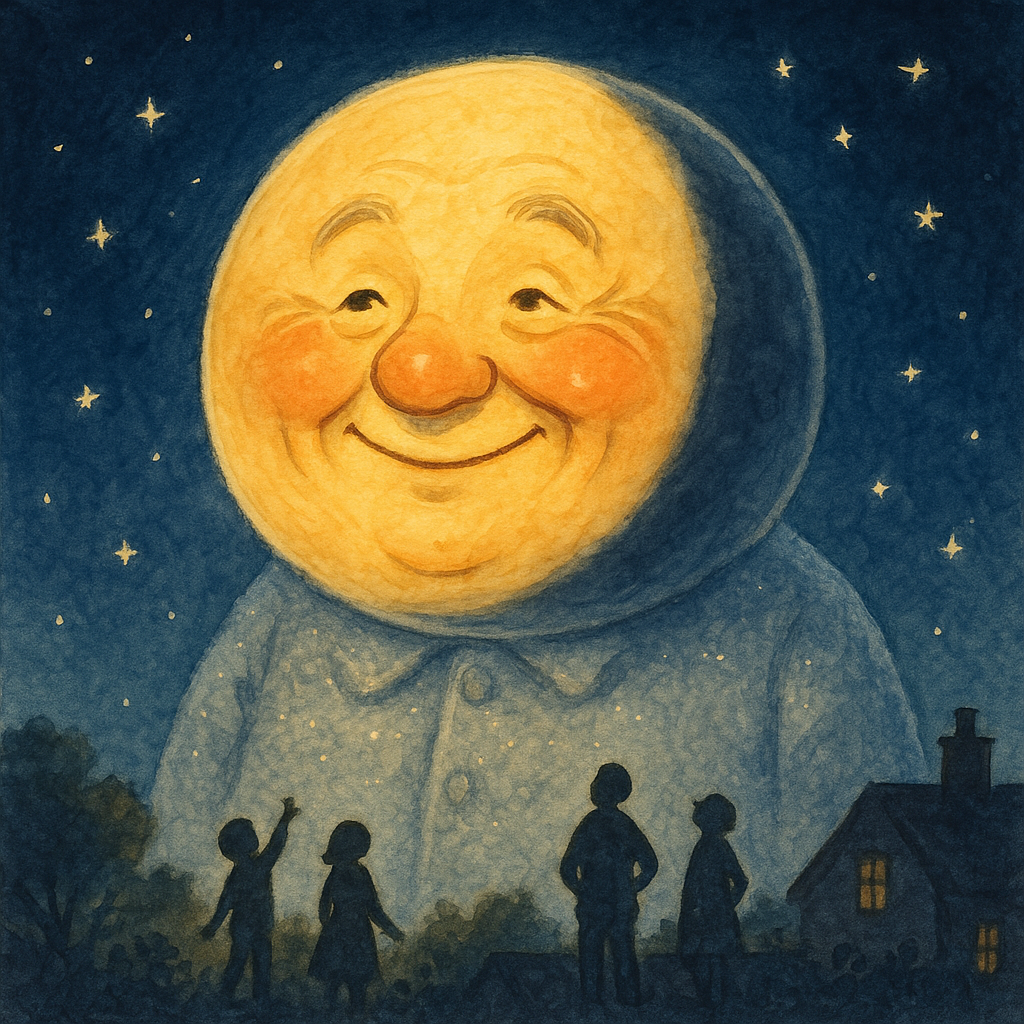
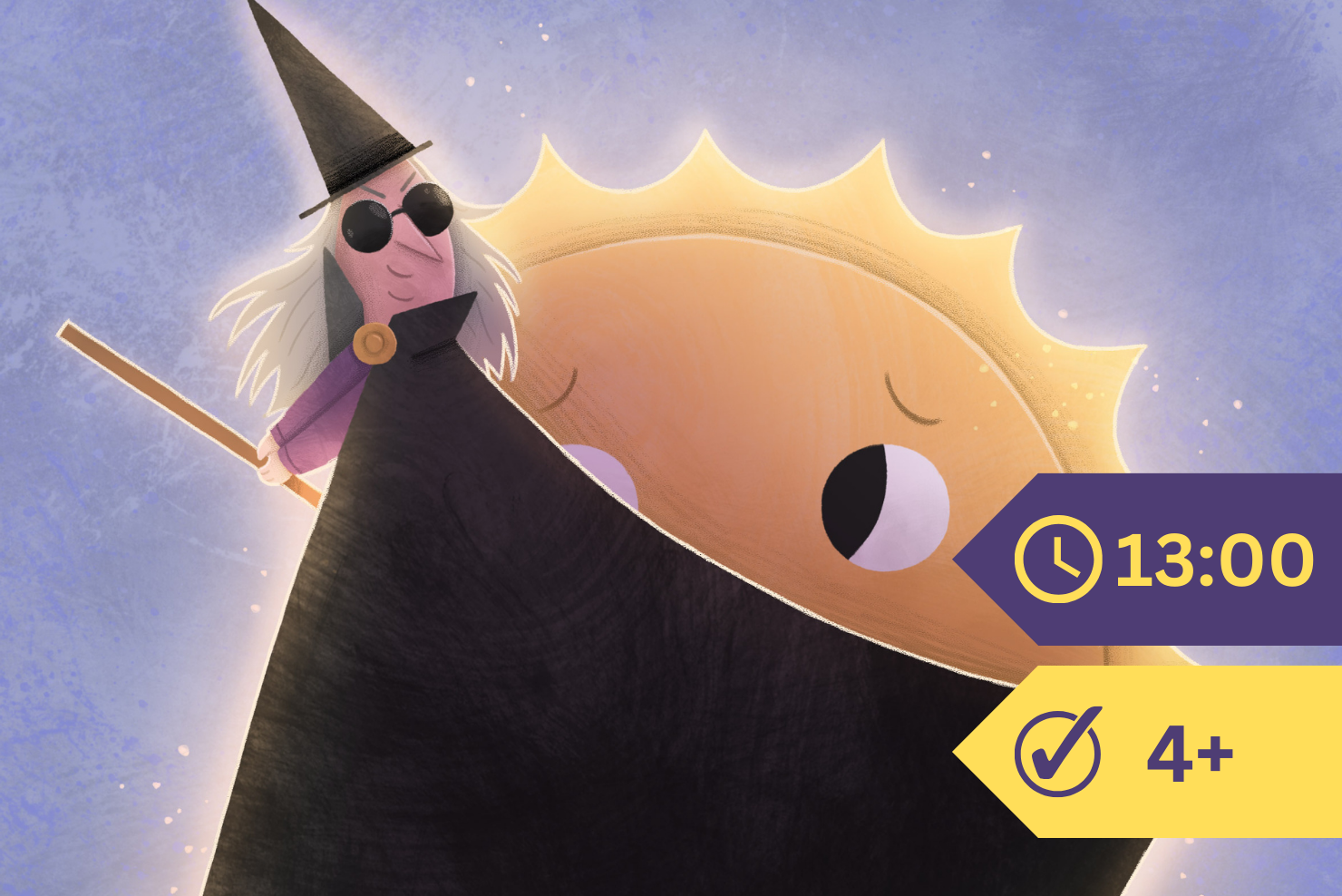
Down below, people began to notice. A shadow was creeping across the Moon’s face. Slowly, slowly, half of him went dark.
“That’s the Earth casting its shadow,” said the people to each other, watching from their gardens and rooftops.
But up in the sky, the Moon was having a very pleasant conversation.
“How have you been?” he asked, as the shadow deepened.
“Oh, you know,” said the Earth. “Much the same. I let everyone walk over me, I let the rain pour down, I let the sun warm me up until I’m thirsty again. Children dig me up. I never mind. I’m a very good-natured sort of soul, I think.”
“You are,” said the Moon. “And how have things been for me, you ask? Oh, I change my coat several times a month and shine as brightly as ever. I do everything right on time and enjoy myself hugely.”
“I must be going,” said the Earth.
“Already? You never stay long.”
“Do you want to know why?” The Earth paused. “If I visited more often, people would stop finding it wonderful. I keep the visits rare so that when I do come, they all go out into the night to watch — and think it’s the most marvellous thing they’ve ever seen.”
The Moon looked down. Sure enough, every garden and rooftop was full of people staring upward with their necks craned and their eyes wide.
He had to admit: the Earth had a point.