“Oh, Happy Hare, take care, take care!
The Fox will play tricks everywhere,
And if you trust him, some fine day,
He’ll play a trick on you, I say.
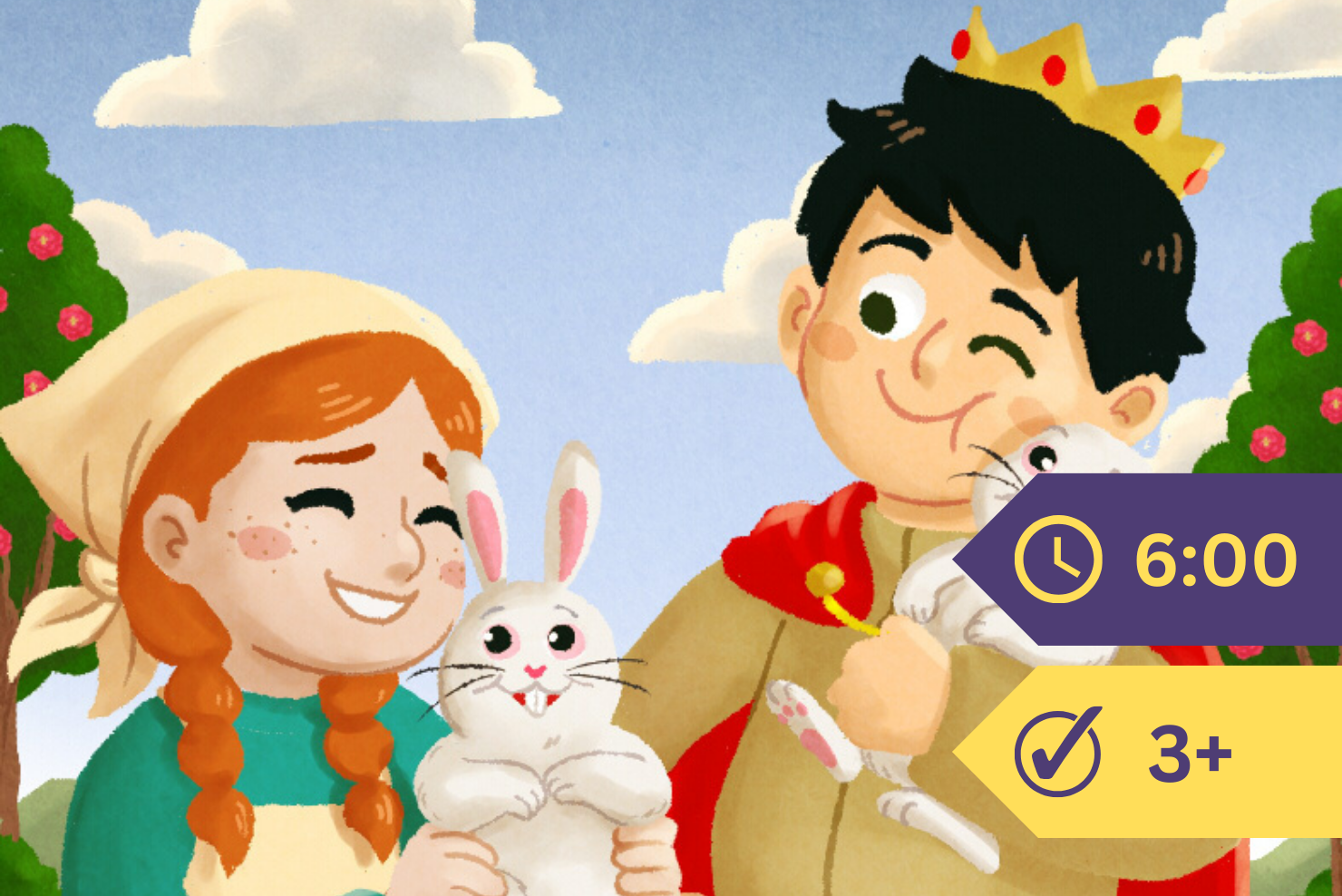
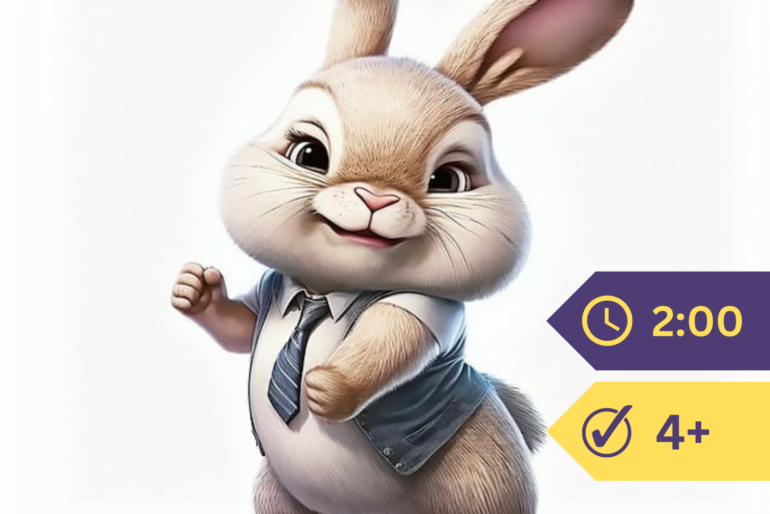
The Happy Hare loved to dress up in other people’s clothes. One day, he put on a little red jacket with long, trailing sleeves, and a little red cap, and went ‘trip, trip, tripping’ along through the woods.
He met the Funny Fox, who said,
‘I am out for frolic and for fun,
I’ll give you a costume like a nun.’
The Happy Hare put on a dress over his costume and journeyed on with the Funny Fox, who said,
‘I will teach you a little song.
The tune is easy, the words not long.’

The Happy Hare was very anxious to learn to sing, so he said the words over and over while the Funny Fox hummed the tune and beat time with a hickory stick.
They sang the words to the tune of ‘Twinkle Twinkle Little Star,’ and they were these:
‘To all animals be kind,
Gently try to make them mind,
We will love you if you think,
To give us some food and drink.’
The Happy Hare said, ‘The Funny Fox is in the best kind of humor today.’
Suddenly, without any warning, a strange thing happened. The Funny Fox sprang at the Happy Hare and tore his dress and took a slice off one ear, if you please, before he could escape!
Bye and bye, when the Happy Hare had recovered from his fright, he said, ‘That was a cute little song. I am glad to learn it, anyway.’ He felt somehow that he had better hurry home, for a wise old owl said to him, ‘Do not crow until you are out of the woods.'”