
Laura Rountree Smith
Dive into Laura Rountree Smith’s complete collection of short stories and animal fables — read them online for free, filter to discover your favorites, and explore our article to learn more about the author.





























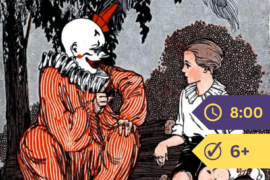

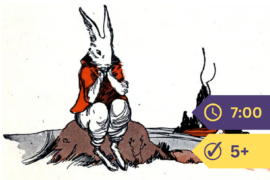
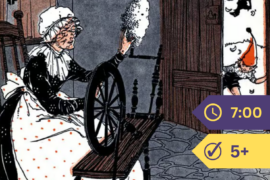
Laura Rountree Smith was an American author who wrote primarily in the early twentieth century, producing a large body of children’s literature that appeared in school readers, holiday collections, and illustrated storybooks. She was part of a generation of writers who shaped early childhood education through playful, morally inflected stories designed to be read aloud in classrooms and homes alike. Her work appeared widely in educational publications of the era, and her stories reflect the pedagogical priorities of the progressive period in American schooling — blending entertainment with gentle lessons about honesty, cooperation, and caution.
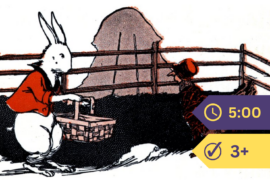
Smith is perhaps best recognized for her recurring cast of woodland animal characters, particularly the Funny Fox, who appears across a richly connected series of stories. The Fox is a mischievous, scheming figure whose clever tricks are repeatedly outsmarted or exposed by the other animals of the forest. In Funny Fox, readers are introduced to this cunning creature alongside the Bold Badger and the Happy Hare, establishing the playful tone that runs throughout the series. Stories such as Homeless Hare, Daring Dog, and A Friend In Need show how the Fox’s schemes unfold against a gallery of animal characters — each with their own distinct personality — who must navigate his tricks with care. The stories are written with a brisk, rhyming energy and carry recurring moral refrains that were suited to memorization and group reading in schools.
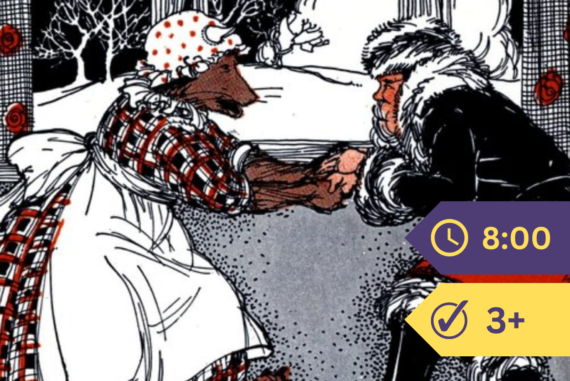
Beyond the animal series, Smith wrote a substantial number of seasonal and holiday stories for children. Her Christmas tales, including Old Mother Bear’s Christmas Stocking and Christmas With Mother Goose, blend domestic warmth with a touch of nursery-rhyme whimsy. Her Halloween stories, such as The Halloween Ghosts and Halloween Traditions, draw on folk custom and seasonal atmosphere to create playful dramatic pieces clearly intended for classroom performance or recitation. Similarly, her bedtime stories — including The Road to Sleepytown — reflect the era’s interest in using narrative to ease children through the rituals of daily life.
Smith’s writing occupies a specific and well-defined place in the history of American children’s literature: rooted in the oral tradition of schoolroom reading, deeply tied to the calendar of holidays and seasons, and built around characters whose clearly drawn traits made them easy for young readers to remember and discuss. Her animal fables owe a debt to the older European tradition while remaining distinctly suited to the American classroom of the early 1900s.