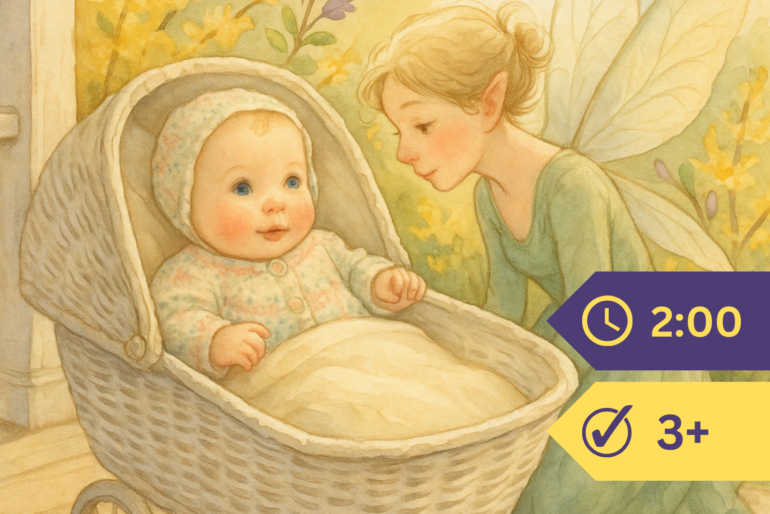
Billie was a baby girl in a pram on the front porch of a little house in the country. Her proper name was Mary Ann, after her mother, but her father’s name was Bill, and so everyone had called her Billie from the start.
She had come into the world in December, which she felt was perfect timing — Christmas was in the air and everything was cheerful. Winter had suited her well enough. But spring was something else entirely.
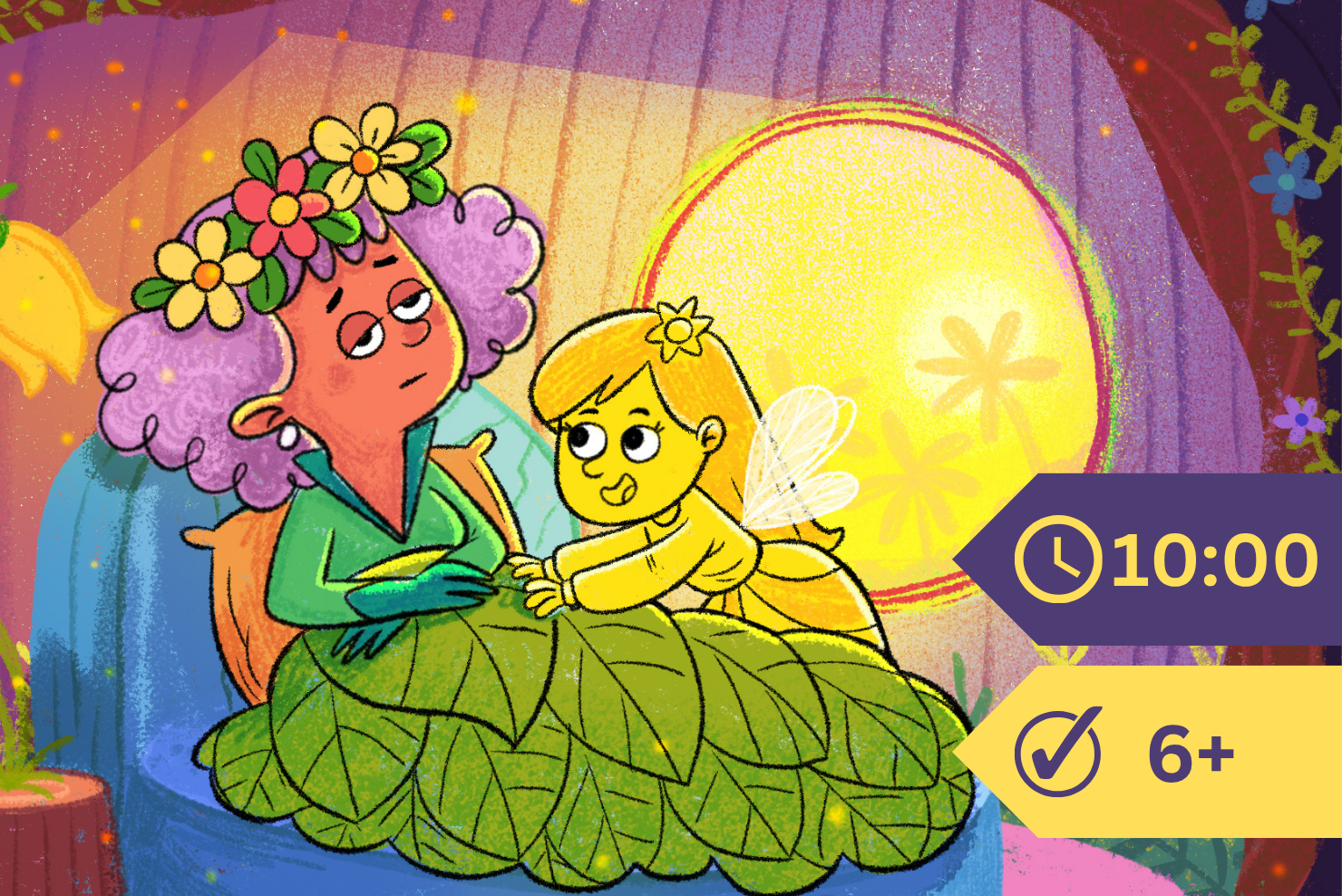
One soft afternoon, while her parents were busy indoors, a fairy called Wondrous Secrets came and sat quietly near the porch. No one else was about, which is exactly when fairies appear.
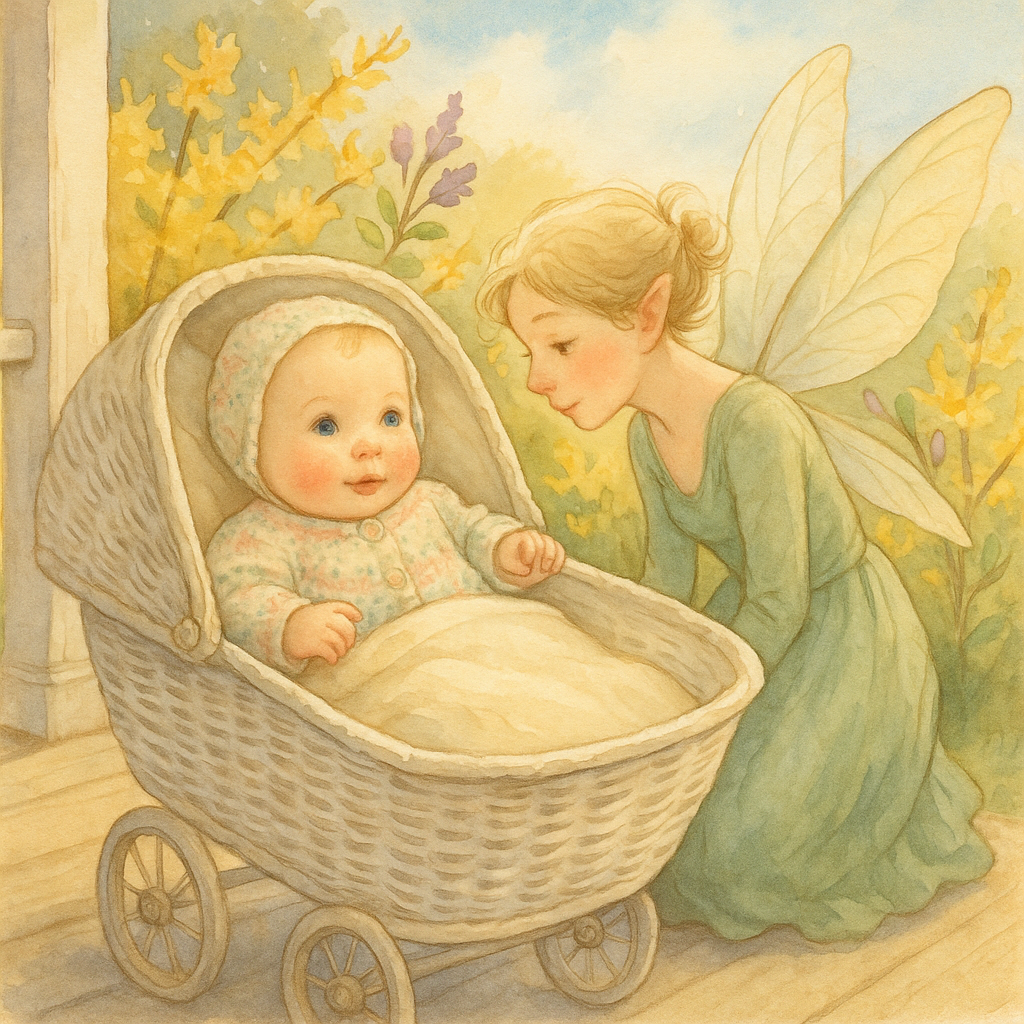
“I’d like to tell you my story,” Billie said, “if you don’t mind.”
“I’d very much like to hear it,” said the fairy.
“I feel as though this springtime is especially mine,” Billie began. “The warm wind comes over my cheeks and I smile and croon and make little singing sounds, the way the trees do. I look over at the trees and bushes to show them my blue eyes. I ask them whether my eyes are the same colour as the sky — they’d know, since they spend all their time looking up at it.
“I can see the yellow forsythia on the bushes. The lilacs are in bud. Behind the house there are little waterfalls that laugh and gurgle over the rocks, just the way I laugh and gurgle in my bath. I don’t mind if the water goes over the edge — no more than those waterfalls care about spilling. That’s the whole point.
“The ducks quack. The chickens and roosters wander about chattering. One day a lady said ‘Hello’ to a chicken, and the chicken stood up from the ground very politely, like a person.
“The pussy-willows are out. There’s a little turtle sunning himself by the brook. He wears his shell the same way I wear my knitted jacket.
“At night, when I wake for my bottle, I can hear the crickets. And one evening I saw a moon. Daddy told me what it was, and he would know. Above the moon there was a bright gold star, and I made a wish: that other babies might have happy homes like mine, where there’s no reason to cry. I’m well looked-after, and they love me, and that is everything.
“But mostly what I think about — every single day — is how lucky I am to have such a mother and father, and to see the beautiful springtime in the country.”
The fairy smiled and nodded, and did not interrupt once.