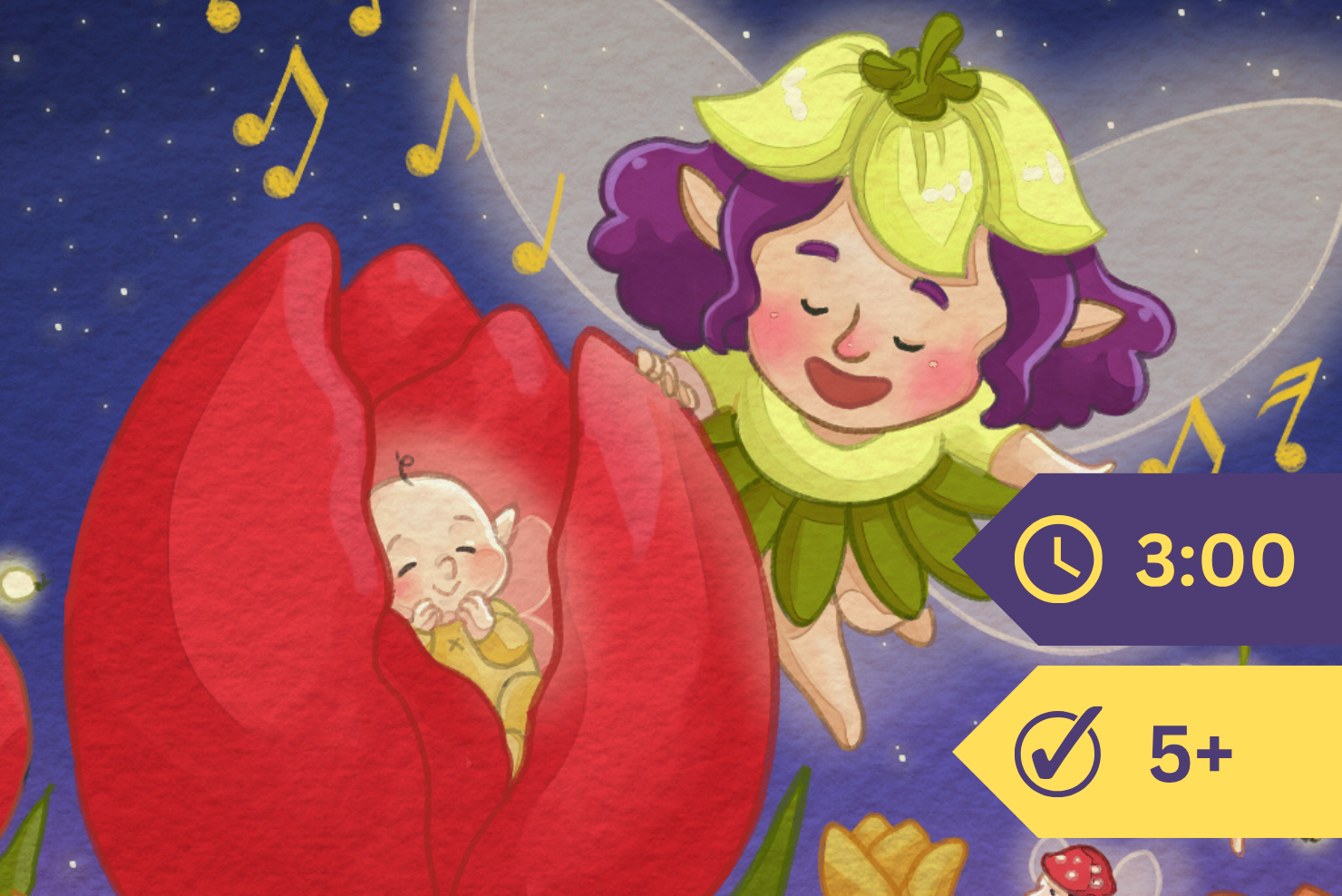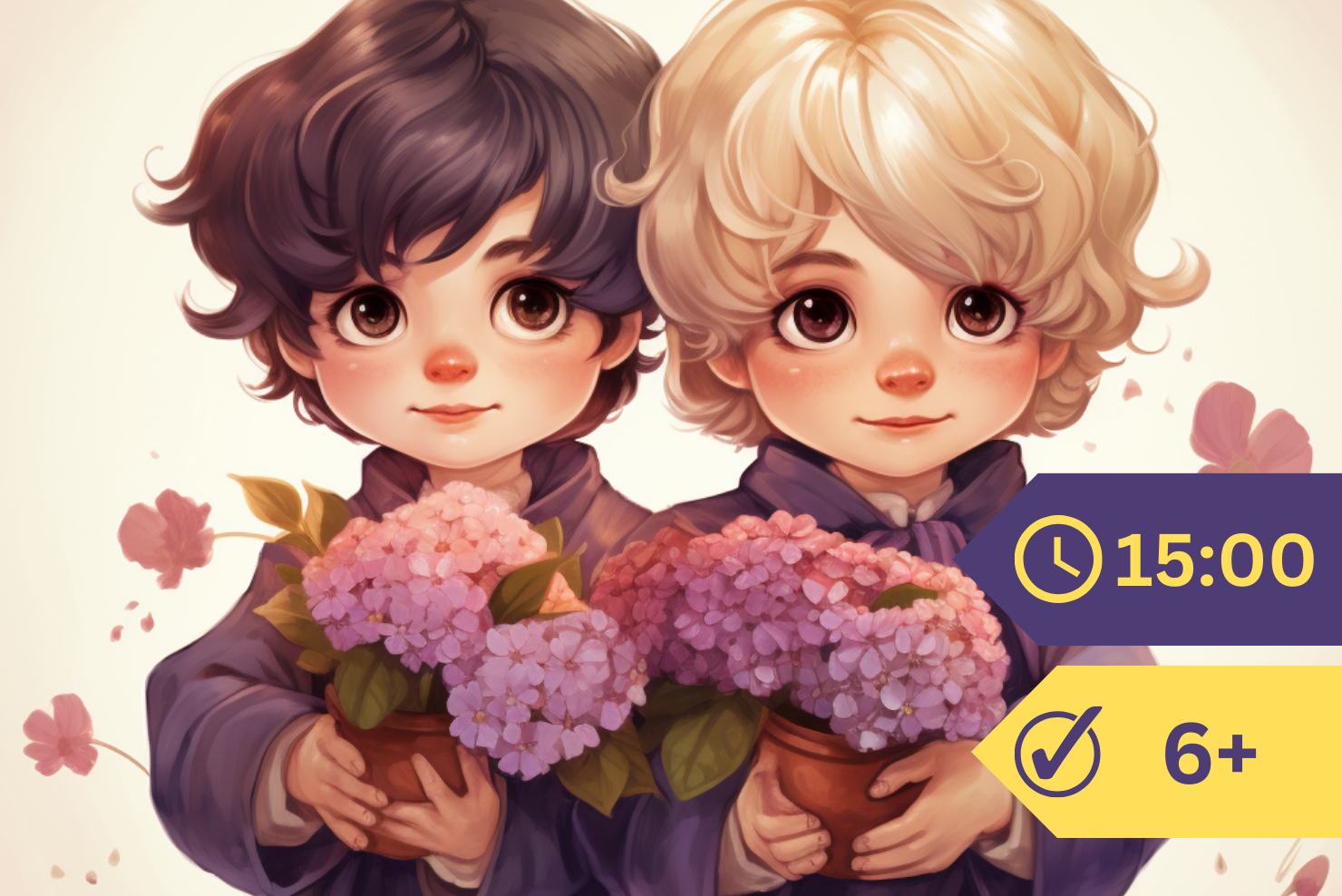
Long, long ago — so long that even Mother Nature had to go back in her memory to find it — there were no great cities, and flowers grew everywhere. People walked a few steps from their doors and found all the wildflowers they wanted, growing in the fields and along every road.
Then the cities came.
They didn’t mean to push the flowers out. But they grew, and the gardens shrank, and the wildflowers retreated further and further into the countryside, and many people went weeks and months without seeing a real flower.
One spring, the flowers held a meeting.
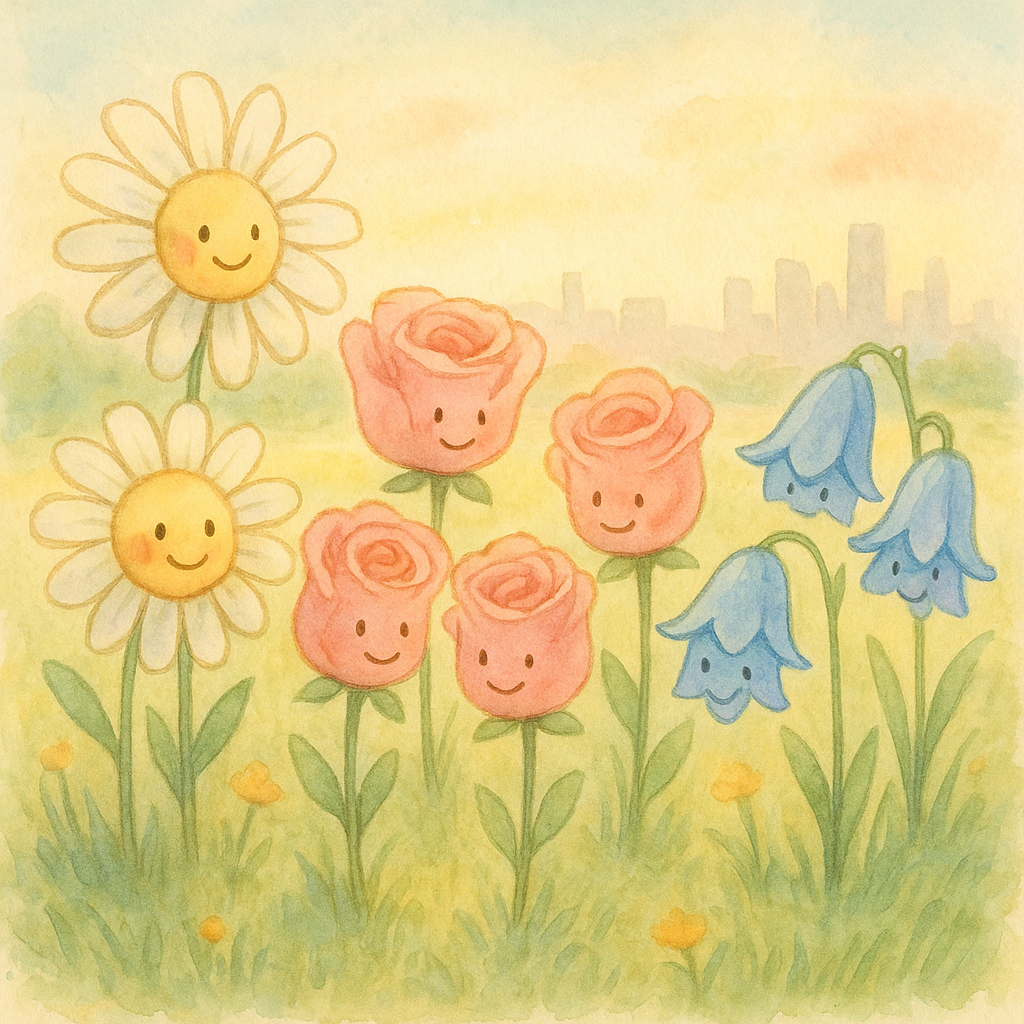
“The Dream-King tells us,” they said to Mother Nature, “that city people come out to the countryside on holidays now — they come to rest, to breathe, to remember what the world smells like. So we’ve decided: we’re going to look our very best, all the time, so that when they come, they’ll want to take some of us home. We’ll travel back with them and cheer them up.”
Mother Nature thought this was a wonderful plan.
And that is why, to this day, flowers hold their heads up and keep their colours bright — because they volunteered for the job. When you pick a flower and carry it back to the city, it goes willingly, its face turned toward whoever needs it most.