Once there was a king whose queen had died and left him a daughter, so wise and so pretty that no one could have been wiser or prettier. For a long time the king mourned his wife, but at last he grew tired of living alone and married a widow who also had a daughter. This girl was as spiteful and plain as the king’s daughter was kind and lovely. The new queen and her daughter envied the princess her looks, but while the king was home they dared do her no harm, for he loved her dearly.
Then the king went off to fight a war in another land, and the new queen did as she pleased. She starved the princess and beat her, and chased her out of every corner. At last she decided that even the kitchen was too good for her, and sent her to mind the cattle. So the princess herded cows in the woods and fields, with little or nothing to eat. She grew pale and thin and was nearly always sad and in tears.
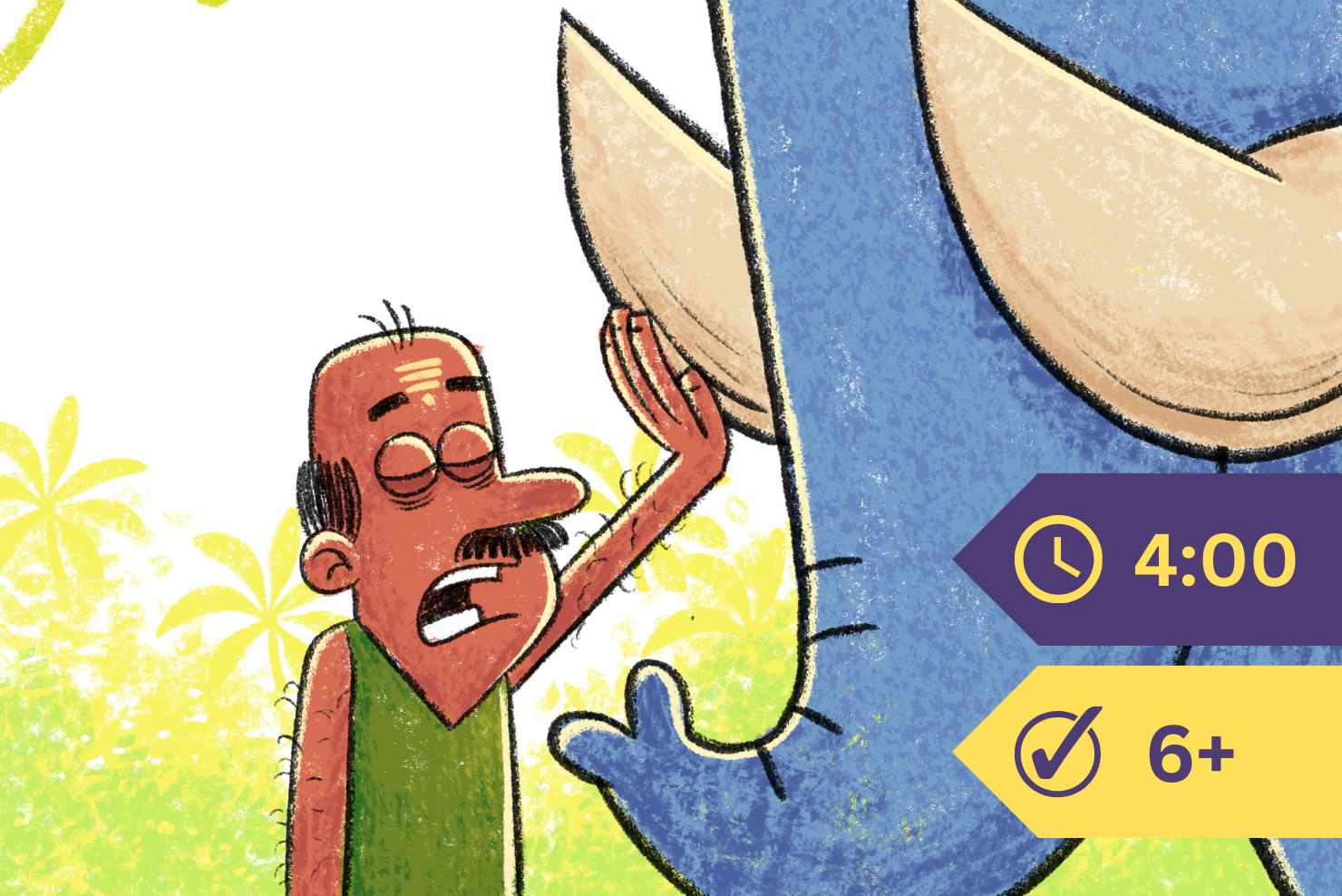
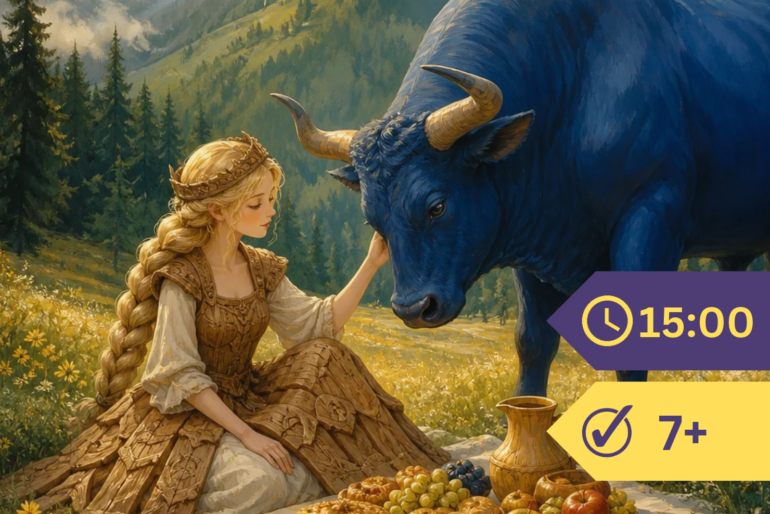
Among the herd was a great blue bull, always sleek and handsome, who often came and let her stroke him. One day, as she sat crying, the Bull asked why she was always so full of care. She didn’t answer, but kept weeping.
“I know what’s wrong, even if you won’t say,” said the Bull. “The queen is unkind to you and wants to starve you. But don’t worry about food. In my left ear lies a cloth. Take it out and spread it on the grass, and you can have as many dishes as you like.”
She took the cloth and spread it on the grass, and at once it was covered with the daintiest dishes anyone could wish for: wine, mead, and cake. Soon she was well again, rosy and plump and fair, and the queen and her scrawny daughter turned blue and white with annoyance. The queen couldn’t think how her stepdaughter could look so well on such poor food. She sent a maid into the woods to watch, and the maid saw the princess take the cloth from the Blue Bull’s ear and spread it out. The maid went home and told the queen.

Soon the king came home, having beaten his enemy. There was great joy in the palace, none greater than the princess’s. But the queen pretended to be ill, and paid the doctor handsomely to say she would never get better unless she ate the flesh of the Blue Bull. The princess and everyone in the palace begged the doctor to suggest something else, and pleaded for the Bull’s life, for they all loved him. But the bull was to be killed. When the princess heard it, she ran sadly down to the cowshed. The Bull stood with his head hanging, looking just as downcast, and she wept over him.
“What are you crying for?”
She told him everything.
“Once they’ve killed me, they’ll soon come for you too,” said the Bull. “If you agree, we’ll leave tonight.”
The princess hated to leave her father, but it was worse to stay in the same house as the queen, so she promised.
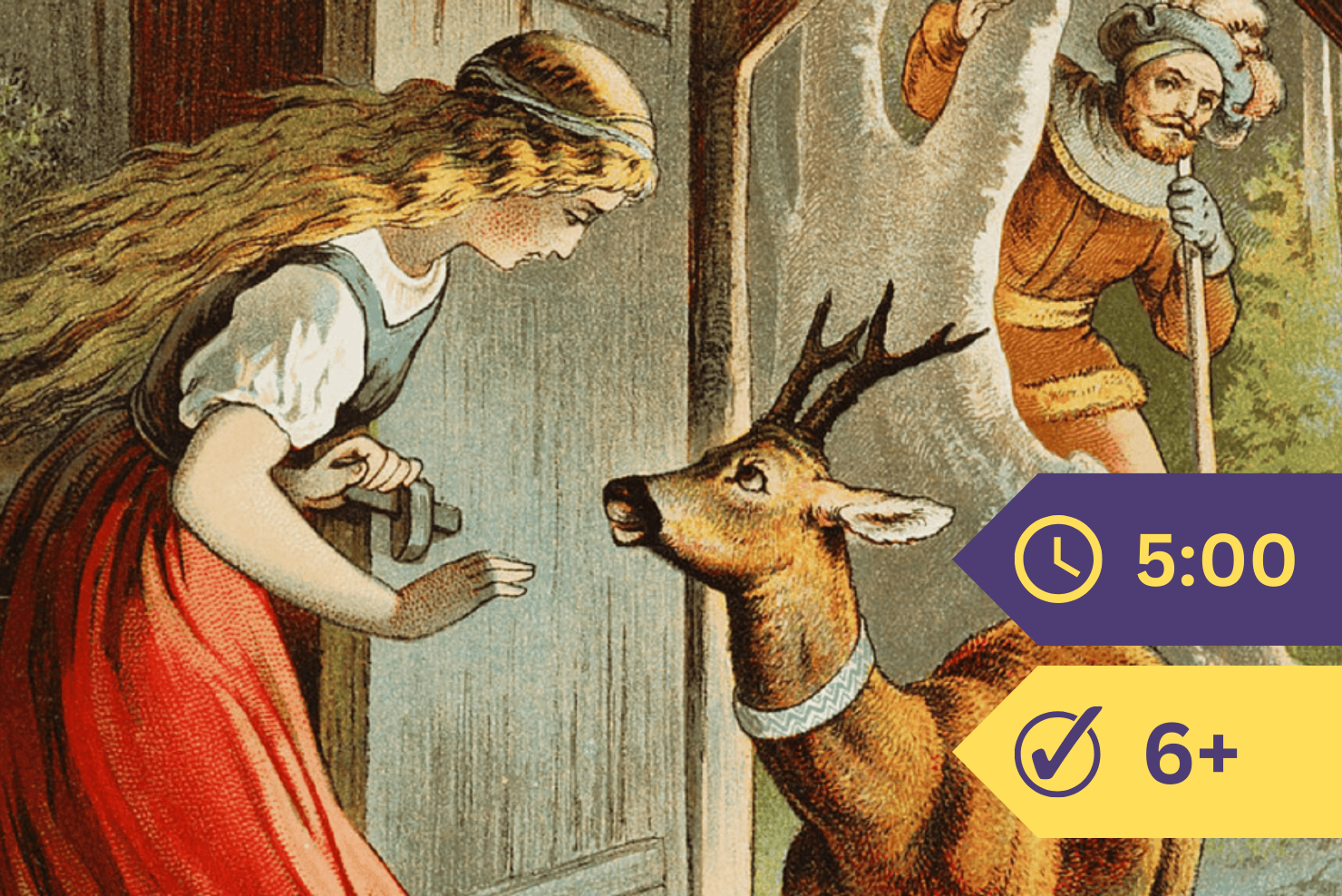
That night, when everyone was asleep, she crept down to the shed. The Bull lifted her onto his back and carried her out of the courtyard as fast as he could. At cockcrow, when the men came to kill the Bull, he was gone, and when the king got up and asked for his daughter, she was gone too. He sent messengers all over the kingdom, but nobody had seen them.
Meanwhile the Bull carried the princess through many lands. One day they came to a great wood where the trees, branches, leaves, and flowers were all of copper.
“When we go in,” the Bull warned, “be very careful not to touch a single leaf, or it will be the end of both of us. A three-headed troll owns this wood.”
She promised. She bent out of the way of the branches and pushed them aside with her hands, but the trees grew so thickly that it was nearly impossible to get through, and in spite of her care she tore off a leaf, which stuck to her hand.
“Oh, what have you done?” said the Bull. “Now we must fight for our lives. But keep that leaf safe.”
Soon they reached the end of the wood, and the three-headed troll came rushing out. “Who is touching my wood?”
“It’s as much mine as yours,” said the Bull.
“We’ll fight for it,” shrieked the troll.
“We may,” said the Bull. They rushed at each other, and the Bull butted and kicked with all his might, but the troll fought just as hard. The whole day went by before the Bull won, and he was so wounded and worn out that he could hardly move. They had to rest a day, and the Bull told the princess to take the horn of ointment hanging at the troll’s belt and rub it on him, and then he was himself again. Next day they set off.
After many days they came to a wood of silver, where everything was silver. “Please,” said the Bull, “be careful not to touch anything, or it’s all over for us. A six-headed troll lives here, and I’m not sure I can beat him.”
She promised again. But the trees were so crowded that branches kept striking her eyes, and in spite of all her care, she tore off a silver leaf.
“Oh, what have you done?” said the Bull. “This troll has six heads and is twice as strong as the first. But keep the leaf.”
The troll came. “Who is touching my wood?” The same words were exchanged, and the Bull rushed at the troll. The fight lasted three whole days. Afterward the Bull was weak and bleeding. The princess took the ointment from the troll’s belt and rubbed it on him, and he recovered, though they had to rest a week before moving on.
They set out again slowly. The princess offered to walk, being young and light of foot, but the Bull wouldn’t hear of it. They travelled through many lands, and at last they came to a wood of gold, so golden that gold dripped from it, with trees, branches, leaves, and flowers all of pure gold. The Bull told her that a nine-headed troll lived there, bigger than both the others together, and he didn’t think he could beat him. She promised to be careful. But the wood was even thicker and tighter than the silver one, and she was so afraid of breaking anything that she twisted and turned, and before she knew it, she was holding a golden apple. She began to cry and wanted to throw it away, but the Bull said she must keep it and take great care of it. He comforted her as best he could, but feared he might not survive.
The nine-headed troll came, so frightening that she hardly dared look at him. The same words were exchanged, and they fought so dreadfully that the princess nearly fainted. The Bull fought bravely, but when he beat one head, the other heads breathed life back into it. The battle lasted a whole week before he finally won. He was so wounded that he couldn’t even tell the princess to find the ointment. She did it without being told, and he came to himself again, but they had to rest three weeks before he could travel.
At last they climbed up to the open hills.
“Do you see anything?” asked the Bull.
“Only the sky and the bare hillside.”
They climbed higher.
“Do you see anything now?”
“Yes. A small castle, far, far away.”
“It isn’t so small as all that,” said the Bull.
At last they came to a high hill with a steep wall of rock.
“Now do you see anything?”
“Yes, the castle is quite near, and it’s much bigger.”
“That’s where you’re going,” said the Bull. “Just below the castle is a pigsty. That’s where you’ll live. There you’ll find a wooden gown. Put it on, go to the castle, and say your name is Kari Woodengown and you’re looking for work. And now I must ask you for something. Take your little knife and end my life, then take my hide and roll it up and put it under the rock, and lay the copper leaf, the silver leaf, and the golden apple beneath it. By the rock you’ll find a stick. Whenever you need me, knock on the rock with it.”
At first she wouldn’t. But the Bull said this was the only reward he would accept for all he’d done, and in the end she did it, weeping all the while. She rolled up the hide and laid it under the cliff, with the leaves and apple inside.
Then she went to the pigsty and put on the wooden gown, and went to the palace and asked for work in the kitchen, saying her name was Kari Woodengown.
The cook said she could start washing dishes at once, since the last girl had just left. “You’ll leave soon too.”
“No, I won’t,” said Kari. And she washed up, and did it neatly.
One Sunday guests were coming to the palace. Kari asked to carry up the water for the prince’s bath. The others laughed. “Do you think the prince would look at a fright like you?” But she begged until they gave in. As she went upstairs, her wooden gown clattered so loudly that the prince came out. “What kind of creature are you?”
“I’ve brought your water.”
“I won’t have water from you!” And he poured it over her head.
She bore it. Then she asked leave to go to church, which was close by. She was allowed, but first she went to the rock and knocked with the stick. At once a man stepped out and asked what she wanted. She said she had permission to go to church but no clothes to wear. He brought her a gown as bright as the copper wood, and a horse with a saddle. When she arrived, she was so beautiful and so splendid that everyone wondered who she was, and hardly anyone listened to the priest. The prince couldn’t take his eyes off her.
As she left, the prince followed and shut the church door behind her, catching her glove. She mounted her horse. The prince asked where she came from.
“From Bathland,” said Kari. And when he tried to hand back the glove, she said:
“Darkness behind me, but light on my way, That the prince may not see where I’m going today!”
And she vanished. The prince had never seen such a glove. He searched far and wide for Bathland, but nobody could tell him where it lay.
The next Sunday someone had to bring the prince a towel. “May I take it?” asked Kari.
“You saw what happened last time,” said the others. But she kept asking until she got leave, and ran upstairs, clattering. When the prince saw her, he snatched the towel and flung it in her face. “Be off, you ugly troll! Do you think I’ll use a towel touched by your dirty fingers?”
Then the prince went to church, and Kari asked to go too. They asked how she could want to, with nothing to wear but that black, ugly wooden gown. She said the priest was so good a preacher she always got a great deal out of his sermons, and at last she got leave.
She went to the rock and knocked, and the man came out and gave her a gown more splendid than the first, embroidered with silver and shining like the silver wood, with a beautiful horse in silver trappings. When she reached church, the people stood on the hillside waiting to see who she was. The prince hurried to hold her horse, but she jumped down. “No need. My horse is so well trained it stands still when I tell it and comes when I call.” Again everyone stared at her instead of listening to the priest, and the prince fell more deeply in love.
When she left the church, the prince asked where she was from.
“From Towelland,” said Kari, and as she spoke she dropped her riding whip. While the prince stooped to pick it up, she said the rhyme, and she was gone. He searched for Towelland, but nobody could tell him where it was.
The next Sunday someone had to take the prince a comb. Kari begged again. The others reminded her, and scolded her for wanting the prince to see her, so black and ugly in her wooden gown. But she kept asking until they gave in. Again she went clattering upstairs, and again the prince flung the comb at her and told her to be gone. Then he went to church, and Kari begged for leave, and they scolded her again, but she said they had better things to do than look at her, and kept asking until she got her way.
Again she knocked on the rock. Now the man gave her a gown almost entirely of pure gold and diamonds, and a noble horse with golden trappings. At the church the priest and people were all waiting on the hillside. The prince ran to hold her horse, but she said, “No, thank you, my horse will stand for me.” They all went in. No one listened to a word the priest said, and the prince was more in love than ever.
After the service, the prince had a barrel of tar poured in the porch, so he could help her over it. But she took no notice. She stepped right into the middle of the tar and jumped over, and one of her gold shoes stuck in it. She mounted her horse, and the prince ran out and asked where she was from.
“From Combland,” said Kari. And when he tried to hand her the shoe, she said the rhyme once more and was gone.
The prince searched all over the world for Combland. When he found no one who could tell him, he announced that he would marry any woman who could put on the gold shoe. Maidens fair and plain came from all over, but none had a foot small enough. At last Kari’s wicked stepmother came with her daughter, and the shoe fit her, though she looked so loathsome that the prince was very unwilling to keep his promise. Still, they prepared for the wedding, and the stepsister was dressed as a bride. But as they rode to church, a little bird in a tree sang:
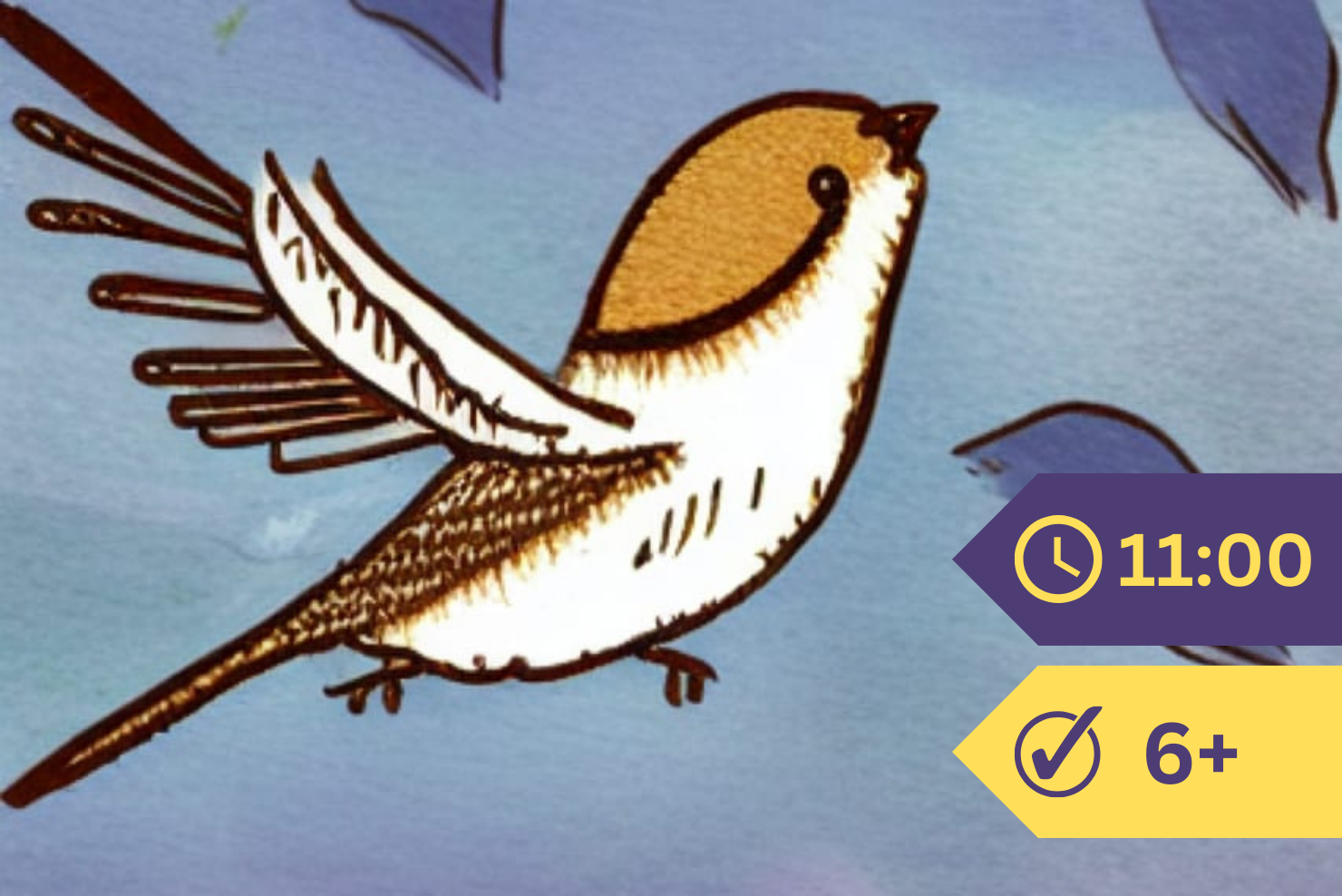
“A slice off her heel And a slice off her toes, Kari Woodengown’s shoe Fills with blood as she goes!”
They looked, and the bird was right: blood was trickling out of the shoe. So every maid and woman in the castle was made to try the shoe, but it fit none of them.
“But where is Kari Woodengown?” asked the prince, who understood the language of birds and remembered what had been sung.
“Oh, that creature!” they said. “No use bringing her. She has feet like a horse!”
“Perhaps,” said the prince, “but everyone else has tried, so Kari may too.”
“Kari!” he called, and Kari came up the stairs, her wooden gown clattering as if a whole regiment were coming.
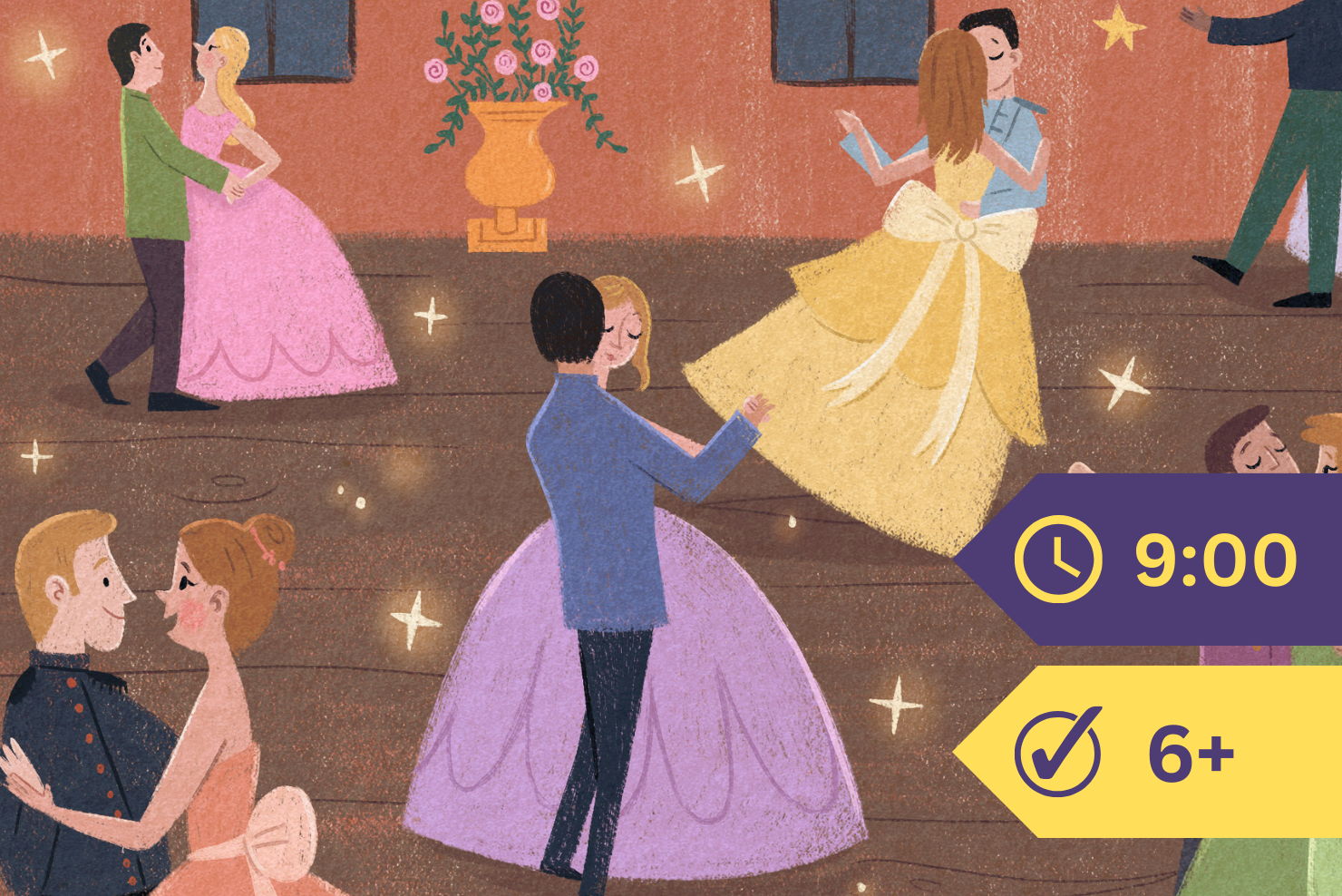
“Now you’re to try the gold shoe and be a princess,” said the other servants, laughing and mocking. Kari took the shoe and slipped her foot into it easily. Then she threw off the wooden gown, and there she stood in the gold dress that flashed like sunbeams, with the other gold shoe on her other foot. The prince knew her at once and was so glad that he ran and took her in his arms and kissed her. When he heard she was a king’s daughter, he was gladder still. And then they had the wedding.