Truth and the Traveler

Summary


"Truth and the Traveler" is a short fable by Aesop in which a wanderer crossing the desert encounters a solitary, dejected woman who reveals herself to be Truth. When asked why she has abandoned the city for the wilderness, her answer is quietly devastating: falsehood, once rare, has now overtaken all of humankind. The fable carries no elaborate plot — only a single, striking exchange that distills a timeless moral observation into just a few lines, leaving the weight of that truth entirely with the reader.


Read Online

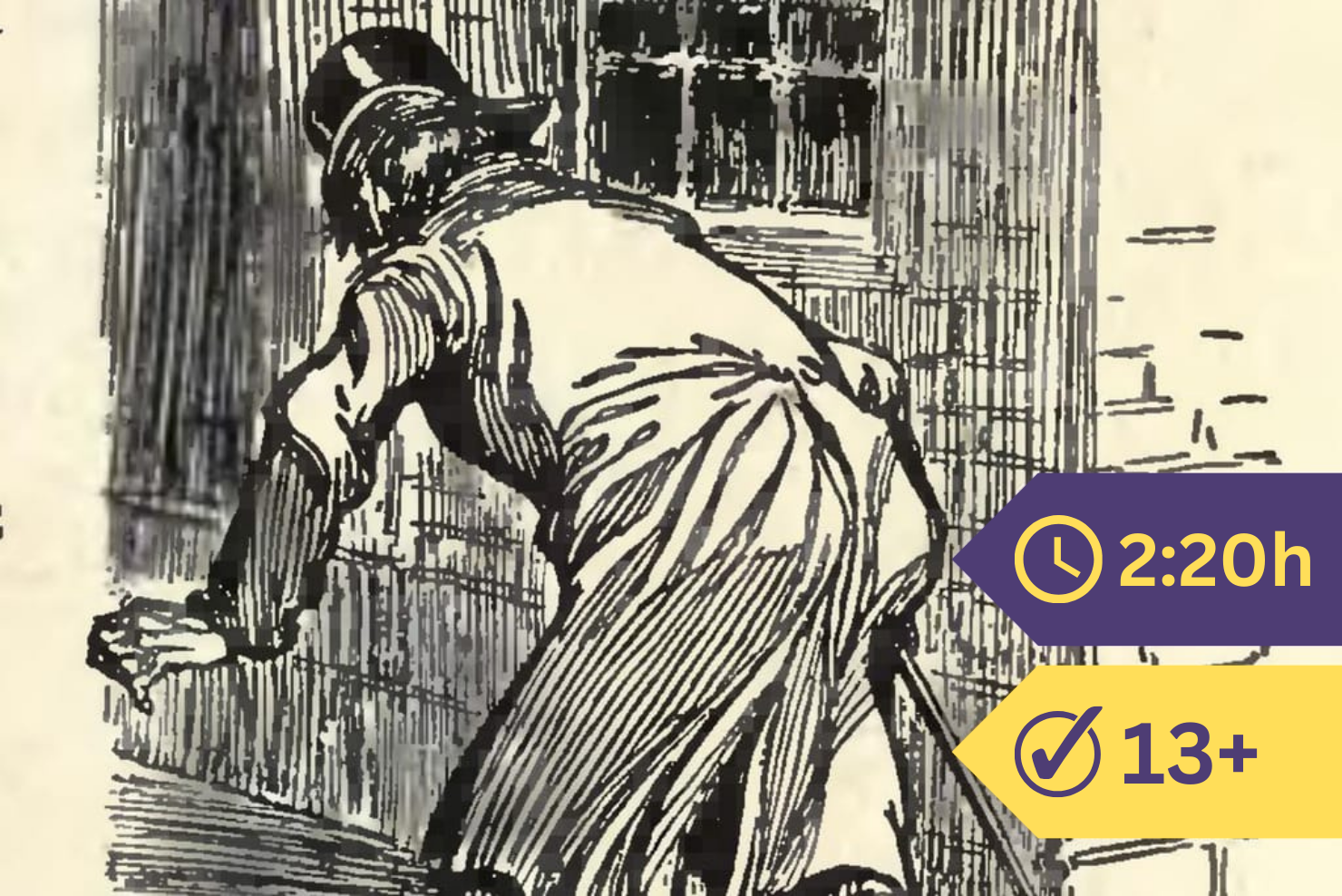
A wayfaring Man, traveling in the desert, met a woman standing alone and terribly dejected. He inquired of her, “Who art thou?” “My name is Truth,” she replied. “And for what cause,” he asked, “have you left the city to dwell alone here in the wilderness?” She made answer, “Because in former times, falsehood was with few, but is now with all men.”


Credits

Aesop was an ancient Greek storyteller, believed to have lived around 620–564 BCE, whose fables have been retold across cultures for over two millennia. "Truth and the Traveler" is one of his shortest and most direct fables, using allegory rather than animal characters — a less common but striking technique in his body of work.