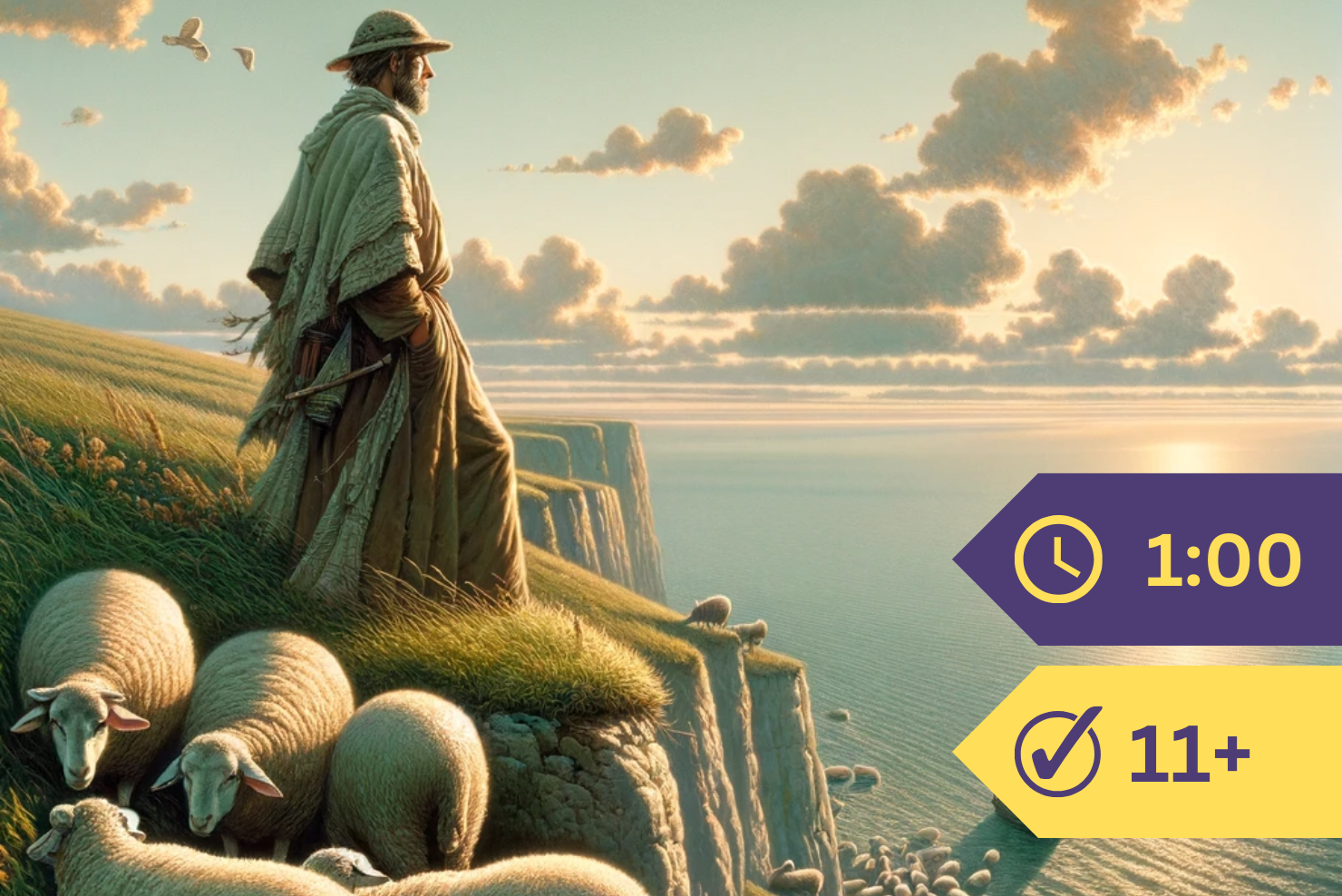
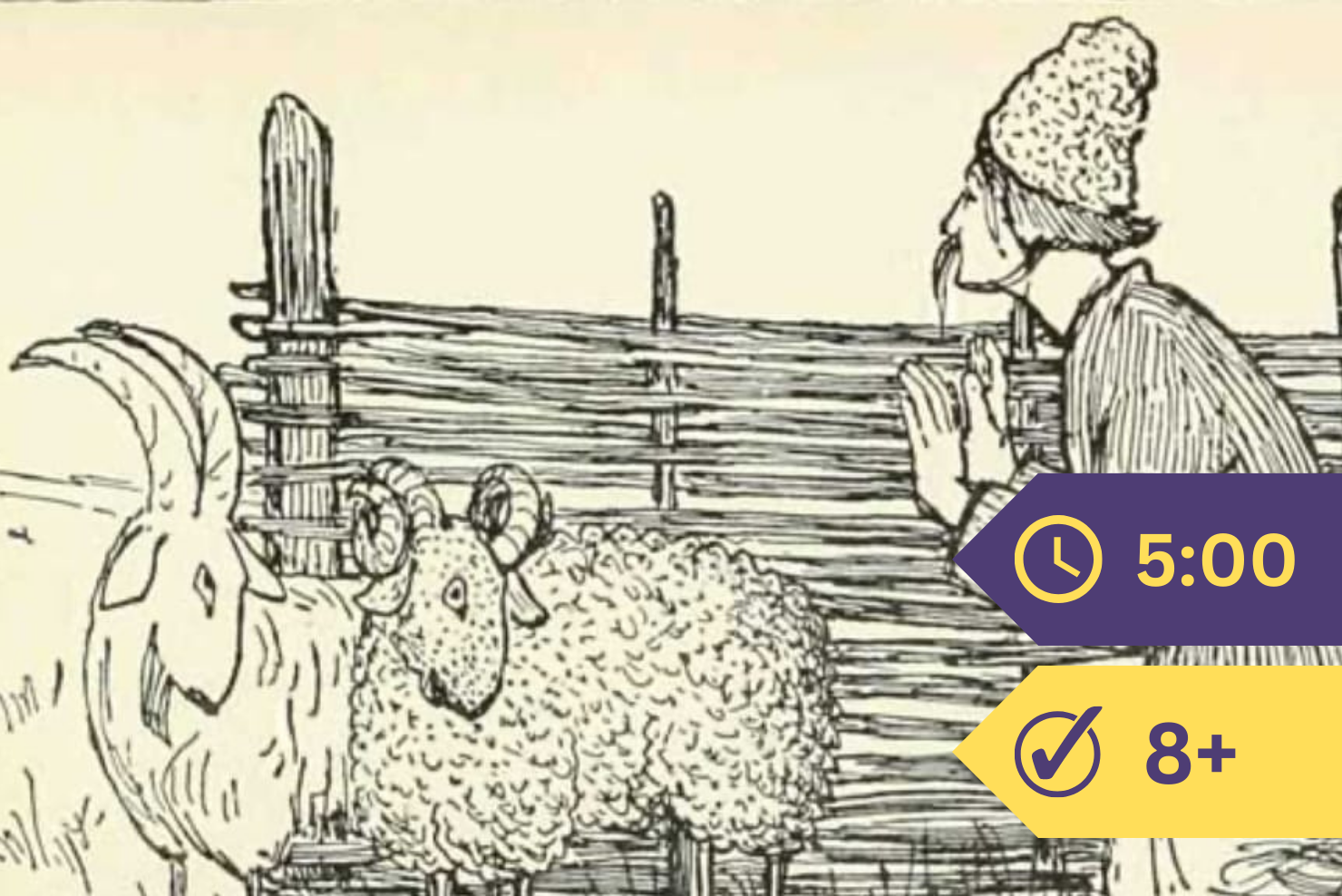
A Wolf, passing by, saw some Shepherds in a hut eating a haunch of mutton for their dinner. Approaching them, he said, “What a clamor you would raise if I were to do as you are doing!”


 Read Anywhere, Anytime
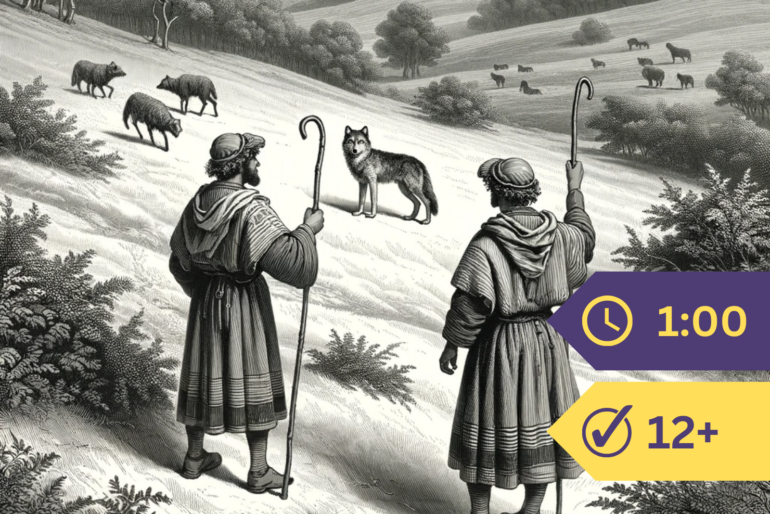
"The Wolf and the Shepherds" is a razor-sharp fable by Aesop that exposes the double standards humans apply to themselves and others. When a wolf passes a hut and spots shepherds feasting on mutton, he confronts them with a pointed observation — they would condemn him loudly for doing the very thing they are doing themselves. In just a few words, the wolf holds up a mirror to the shepherds, forcing a moment of uncomfortable self-reflection on the gap between judgment and personal conduct.
A Wolf, passing by, saw some Shepherds in a hut eating a haunch of mutton for their dinner. Approaching them, he said, “What a clamor you would raise if I were to do as you are doing!”
Aesop was an ancient Greek storyteller, believed to have lived around the 6th century BCE, whose fables have shaped moral thinking across cultures for over two thousand years. "The Wolf and the Shepherds" is one of his most economical tales, delivering its critique of hypocrisy in a single, devastating exchange.