The Ass and the Old Shepherd

Summary


"The Ass and the Old Shepherd" is a short Aesop fable that cuts straight to the heart of self-interest over loyalty. When an enemy approaches, a frightened Shepherd urges his Ass to flee with him — but the Ass refuses to budge. His reasoning is blunt and unsettling: whoever wins the battle, he will still carry the same heavy panniers. The fable raises a quiet but pointed question about what loyalty is worth to those who have nothing to gain or lose from it.


Read Online

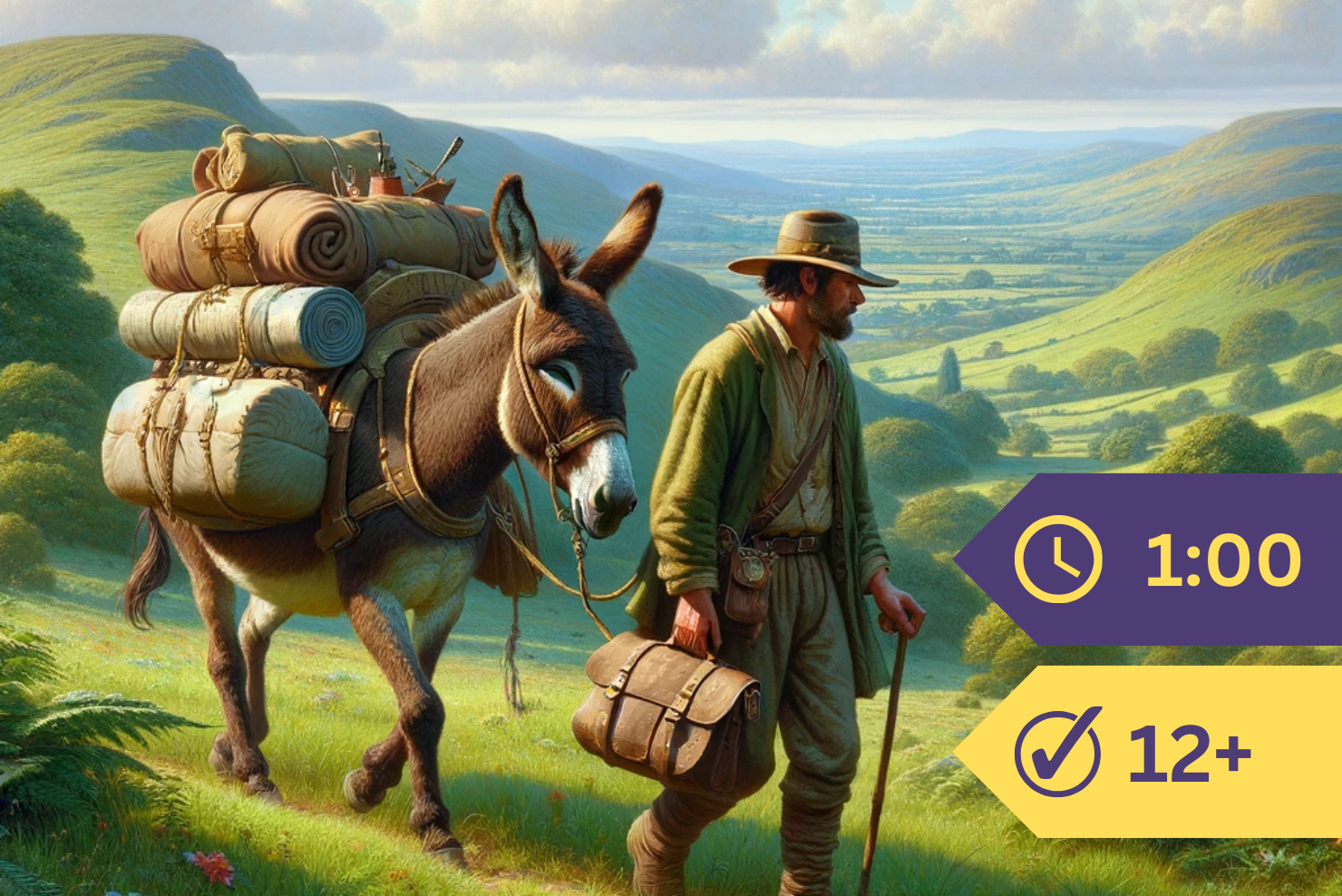
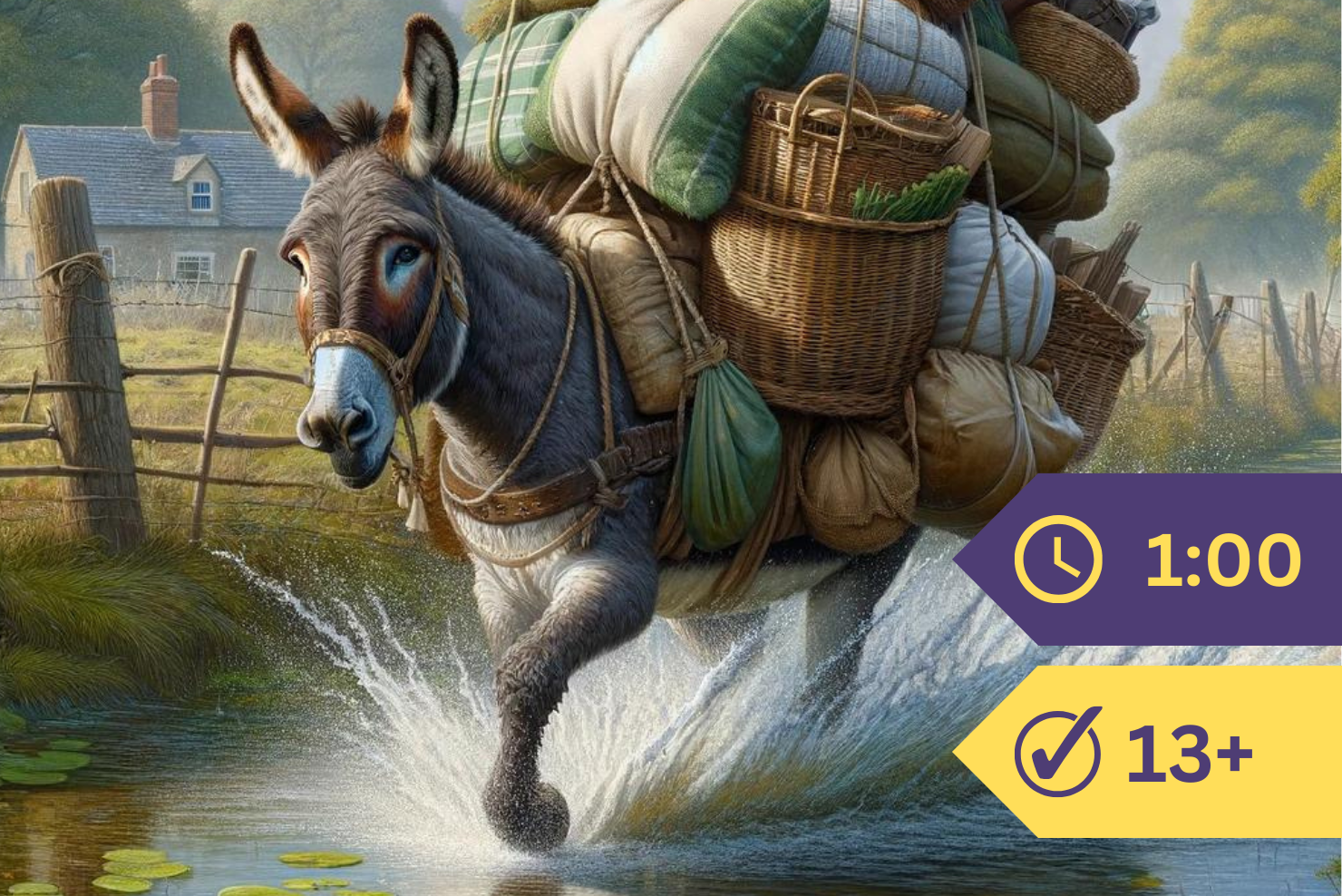
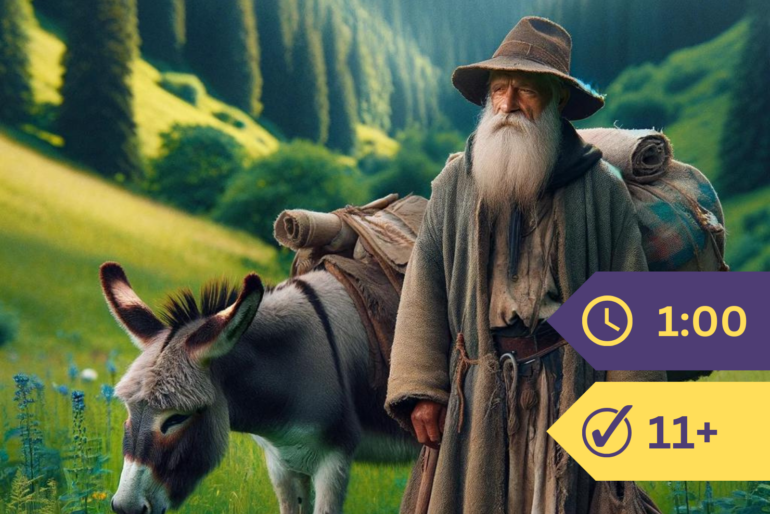
A Shepherd, watching his Ass feeding in a meadow, was alarmed all of a sudden by the cries of the enemy. He appealed to the Ass to fly with him, lest they should both be captured, but the animal lazily replied, “Why should I, pray? Do you think it likely the conqueror will place on me two sets of panniers?” “No,” rejoined the Shepherd. “Then,” said the Ass, “as long as I carry the panniers, what matters it to me whom I serve?”



Credits

Aesop was an ancient Greek storyteller, believed to have lived around the 6th century BCE, whose fables have shaped moral literature across the world for over two thousand years. "The Ass and the Old Shepherd" is one of his most economical tales, delivering its cynical insight on servitude and indifference in under a hundred words.