The Seller of Images

Summary


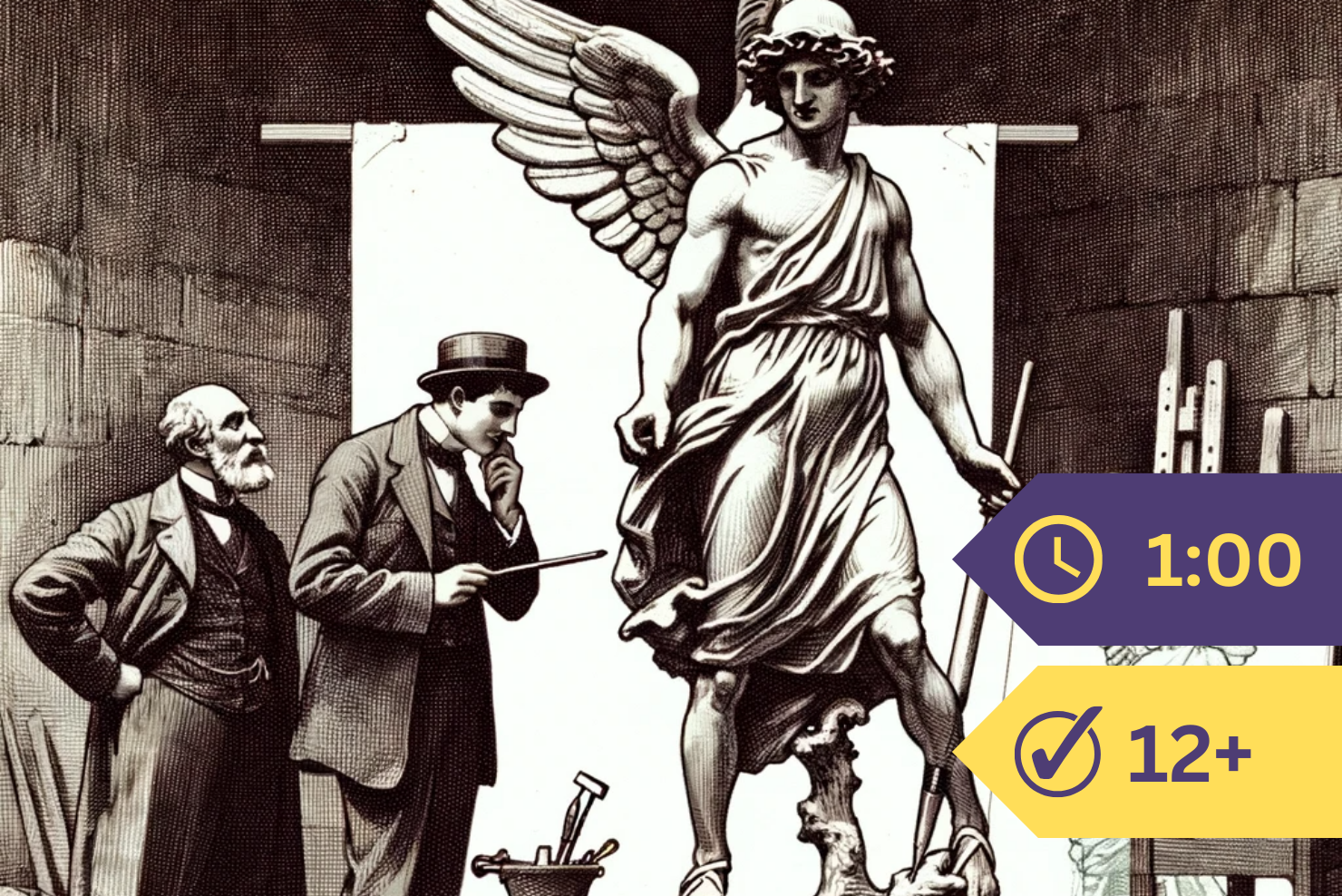
"The Seller of Images" is a sharp Aesop fable about a man who carves a wooden statue of Mercury — the god of wealth — then tries to sell it by boasting of the god's power to bring riches. When a bystander calls out his contradiction, the man's excuse reveals everything: he needs money now, and Mercury is simply too slow to deliver. In just a few lines, Aesop captures the tension between faith and self-interest, and the uncomfortable honesty of admitting which one wins.

Read Online

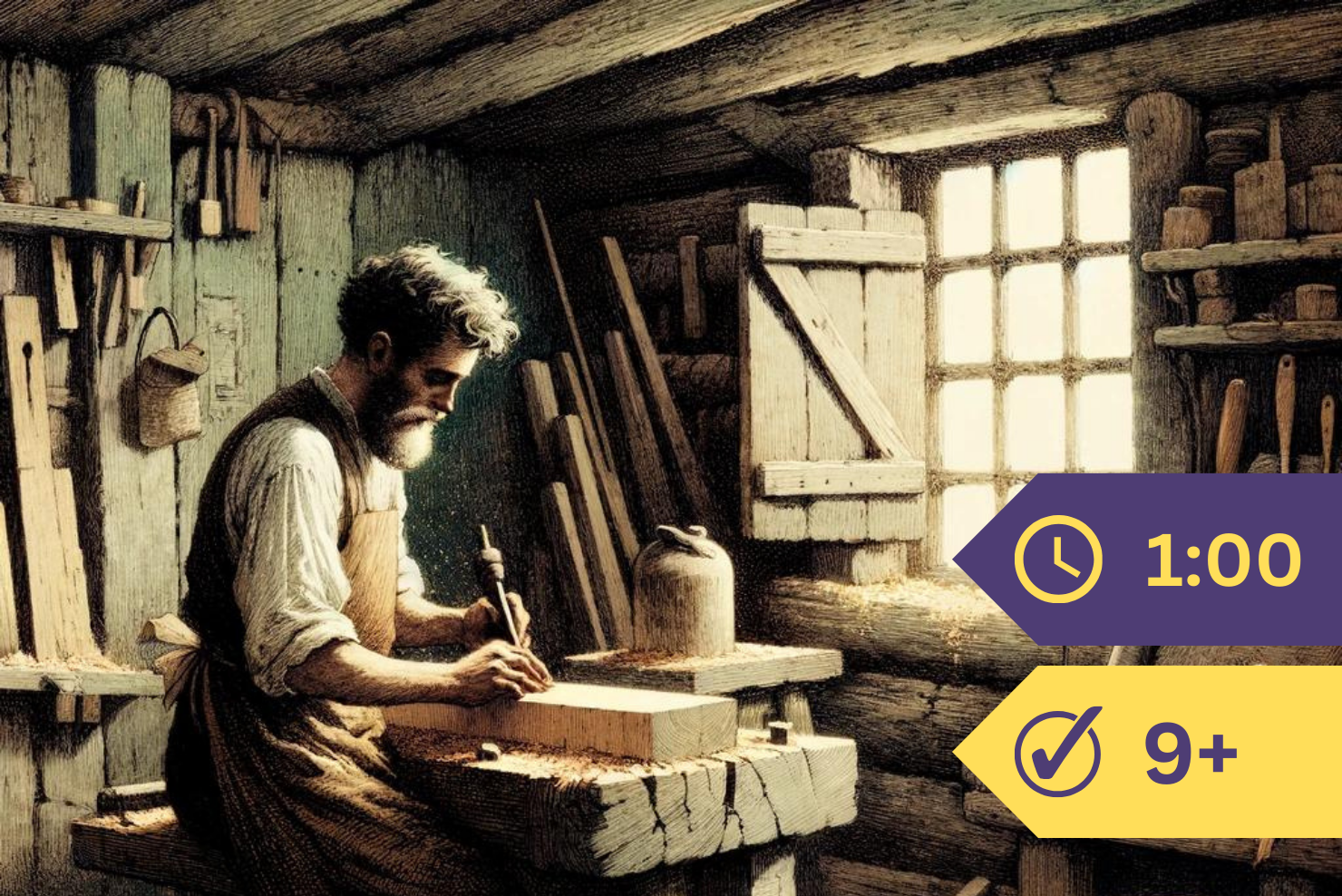
A Certain Man made a wooden image of Mercury and offered it for sale. When no one appeared willing to buy it, in order to attract purchasers, he cried out that he had the statue to sell of a benefactor who bestowed wealth and helped to heap up riches. One of the bystanders said to him, “My good fellow, why do you sell him, being such a one as you describe, when you may yourself enjoy the good things he has to give?” “Why,” he replied, “I am in need of immediate help, and he is wont to give his good gifts very slowly.”


Credits

Aesop was an ancient Greek storyteller, believed to have lived around 620–564 BCE, whose fables have been retold across centuries and cultures. His short moral tales typically feature animals, gods, or everyday people caught in moments of revealing irony. "The Seller of Images" is notable for targeting not just greed, but the very human habit of selling convictions we no longer personally trust.