The Philosopher, the Ants, and Mercury

Summary


"The Philosopher, the Ants, and Mercury" is a short Aesop fable about a philosopher who watches a shipwreck and boldly condemns Providence for letting innocents die alongside one criminal. Moments later, stung by a single ant, he destroys an entire colony without a second thought. When Mercury appears and calls out his contradiction, the philosopher is forced to confront an uncomfortable truth: those quickest to judge divine justice may be the least just themselves.

Read Online

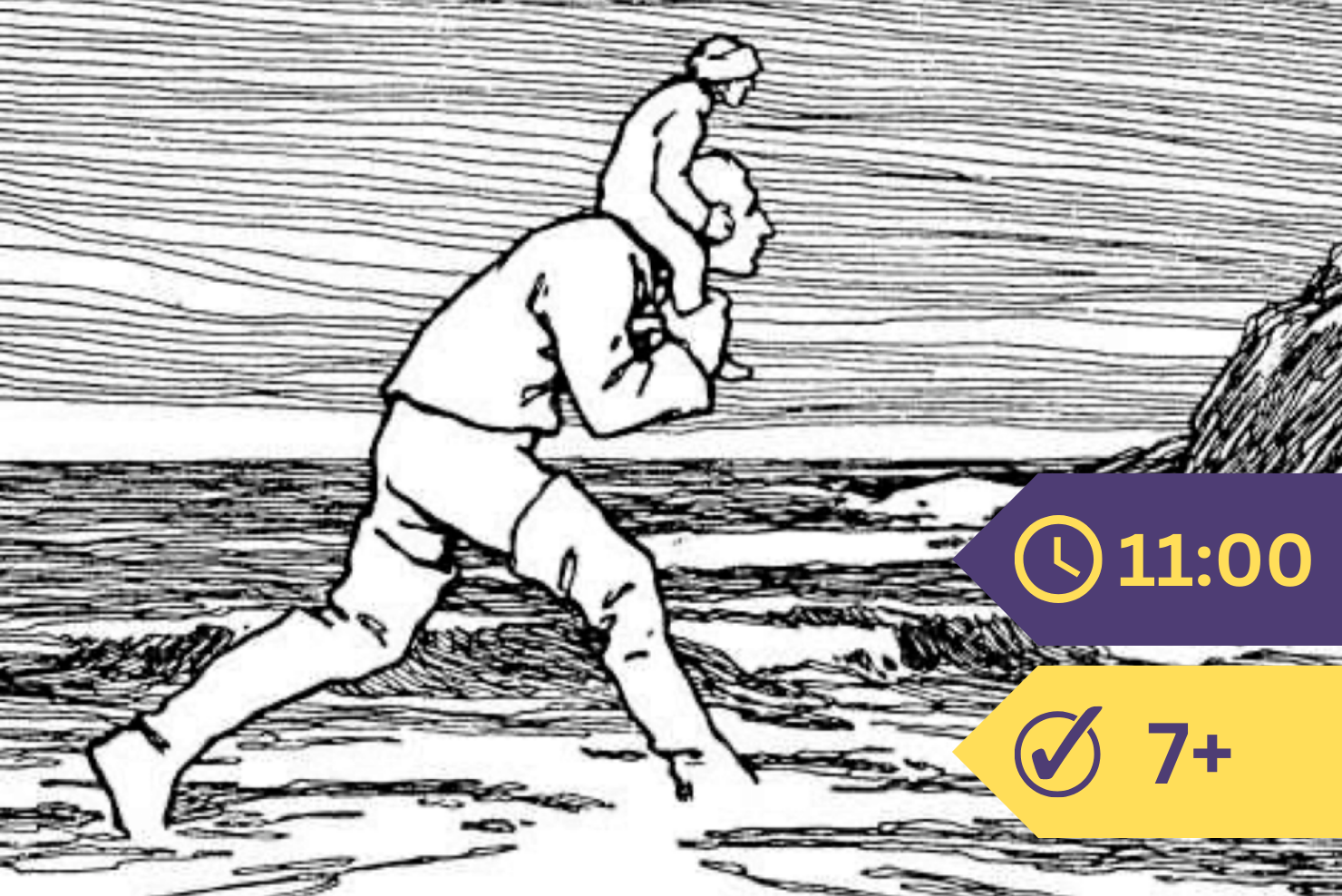
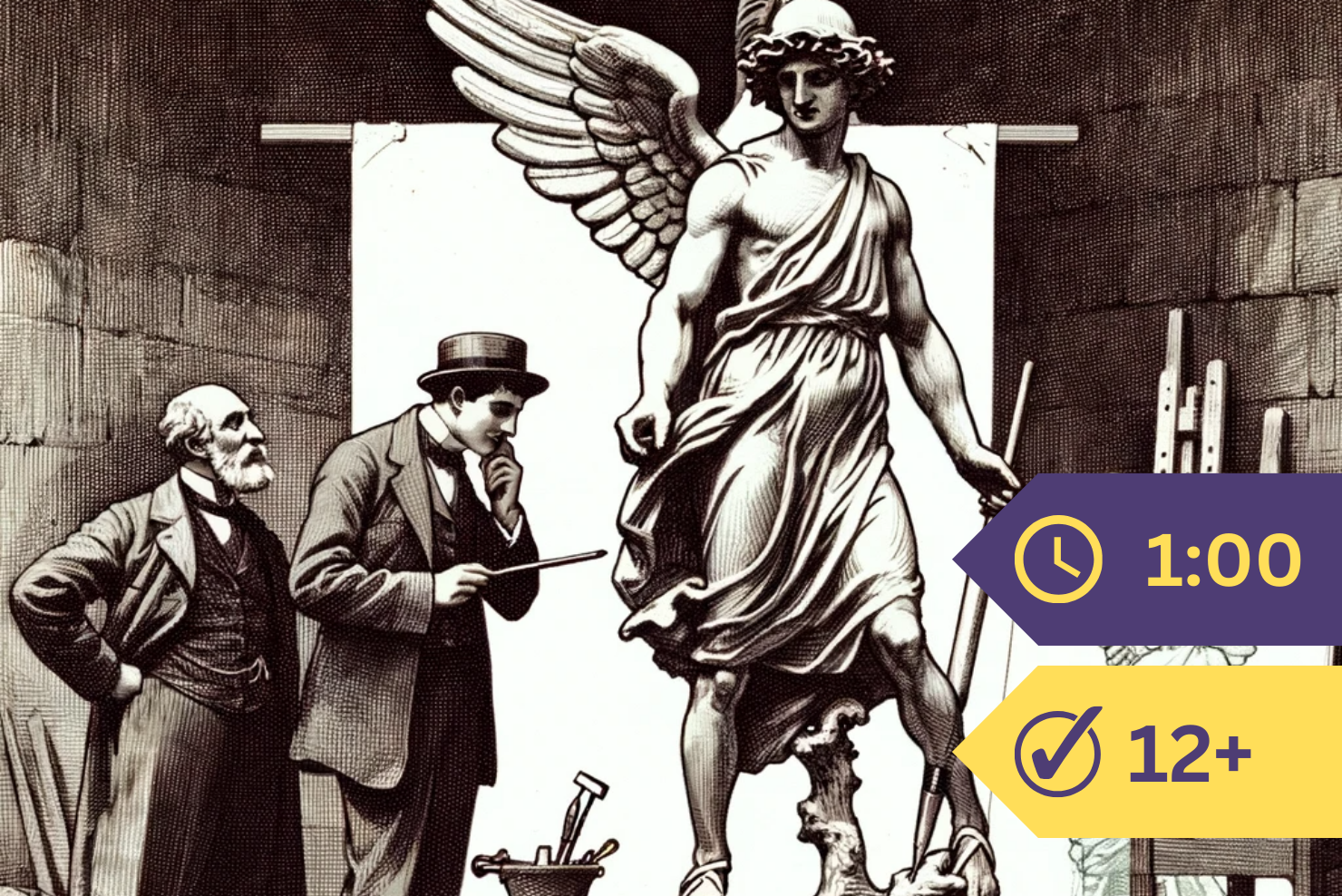
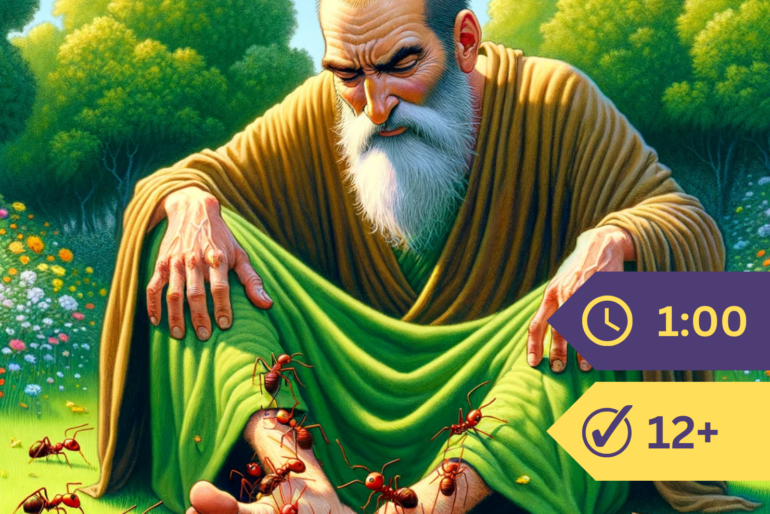
A Philosopher witnessed from the shore the shipwreck of a vessel, of which the crew and passengers were all drowned. He inveighed against the injustice of Providence, which would for the sake of one criminal perchance sailing in the ship allow so many innocent persons to perish. As he was indulging in these reflections, he found himself surrounded by a whole army of Ants, near whose nest he was standing. One of them climbed up and stung him, and he immediately trampled them all to death with his foot. Mercury presented himself, and striking the Philosopher with his wand, said, “And are you indeed to make yourself a judge of the dealings of Providence, who hast thyself in a similar manner treated these poor Ants?”



Credits

Aesop was an ancient Greek storyteller, believed to have lived around 620–564 BCE, whose fables have shaped moral literature across cultures for over two millennia. His tales typically use animals and allegorical figures to expose human folly with disarming brevity. In this particular fable, the god Mercury — messenger and trickster — serves as the instrument of irony, turning the philosopher's own logic against him.