The Monkey and the Fishermen

Summary


"The Monkey and the Fishermen" is a short Aesop fable about a monkey who watches fishermen cast their nets into a river and, convinced he can do the same, attempts to copy them the moment they leave. What follows is a swift and fatal lesson in the dangers of imitation without skill or knowledge. The monkey's final words carry the full moral weight of the story — a rare moment of self-aware regret that makes this brief tale land with quiet, unsettling force.

Read Online

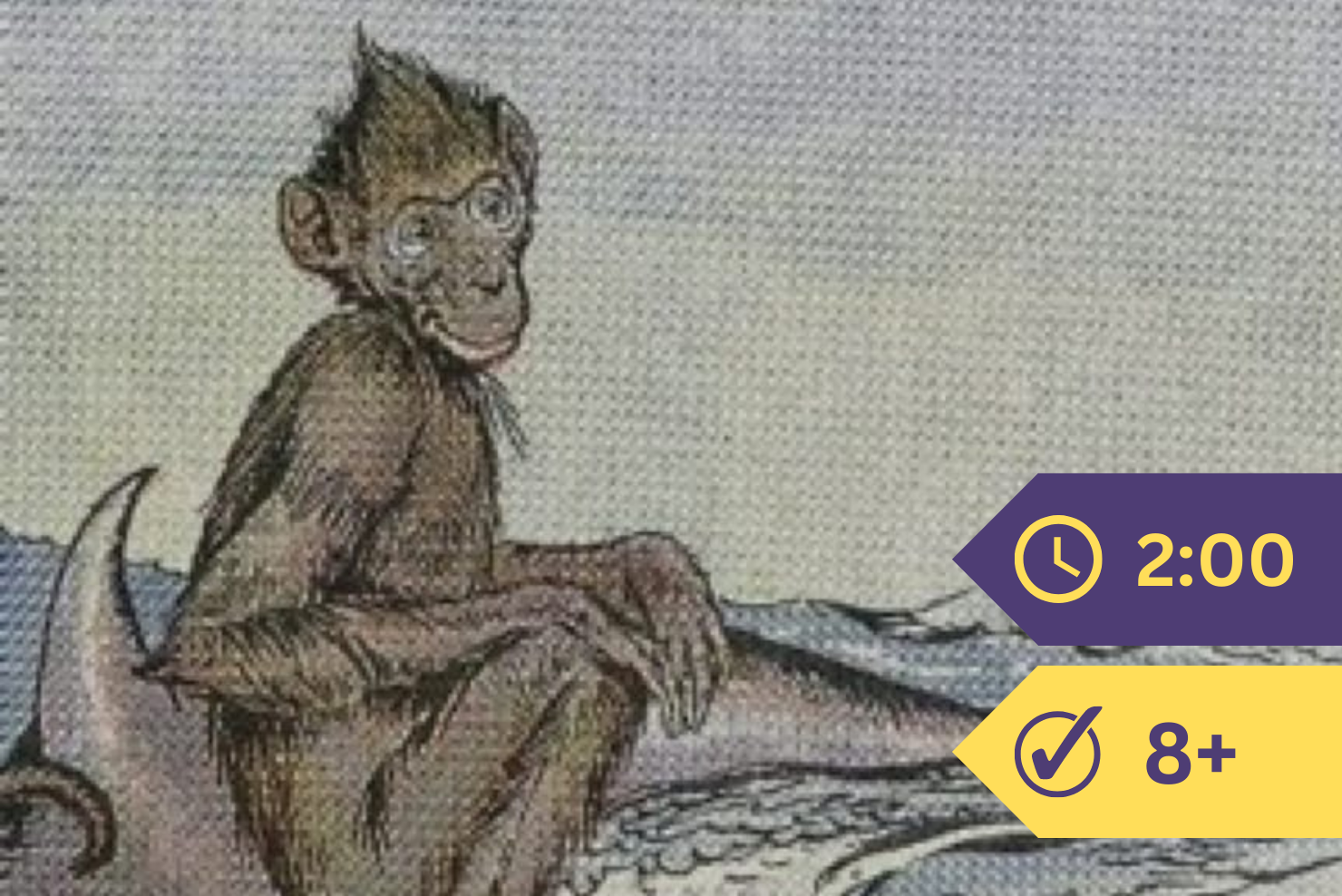
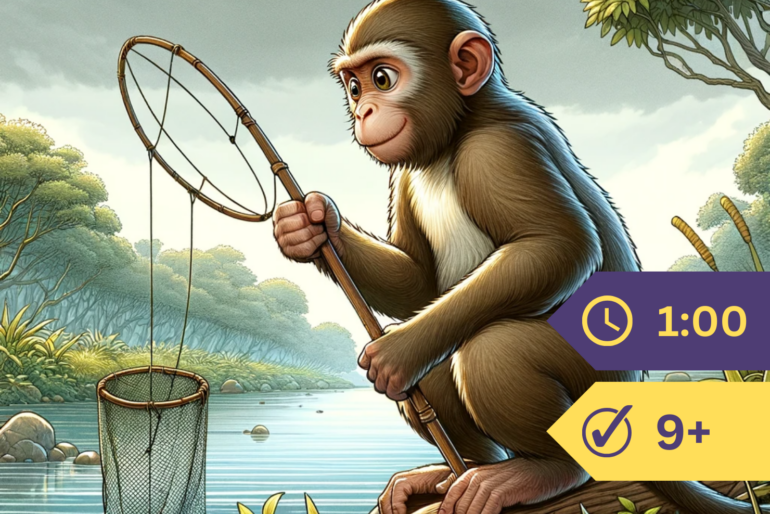
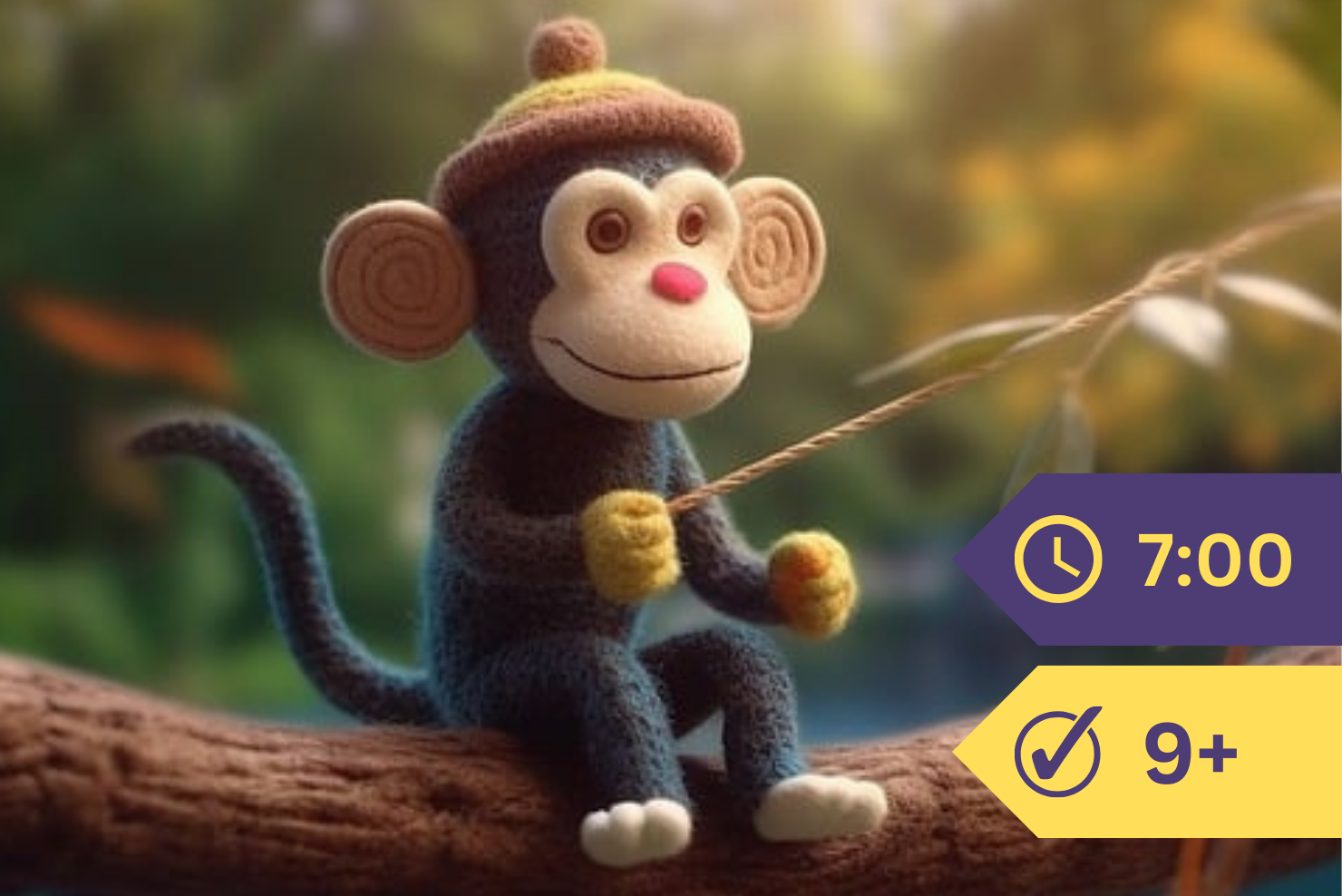
A Monkey perched upon a lofty tree saw some Fishermen casting their nets into a river, and narrowly watched their proceedings. The Fishermen after a while gave up fishing, and on going home to dinner left their nets upon the bank. The Monkey, who is the most imitative of animals, descended from the treetop and endeavored to do as they had done. Having handled the net, he threw it into the river, but became tangled in the meshes and drowned. With his last breath he said to himself, “I am rightly served; for what business had I who had never handled a net to try and catch fish?”


Credits

Aesop was an ancient Greek storyteller, believed to have lived around 620–564 BCE, credited with hundreds of fables that use animals to illuminate human folly. This particular fable is among his shorter works, yet its closing line — spoken by the drowning monkey himself — reflects a storytelling technique Aesop used masterfully: letting the character deliver the moral in their own voice.