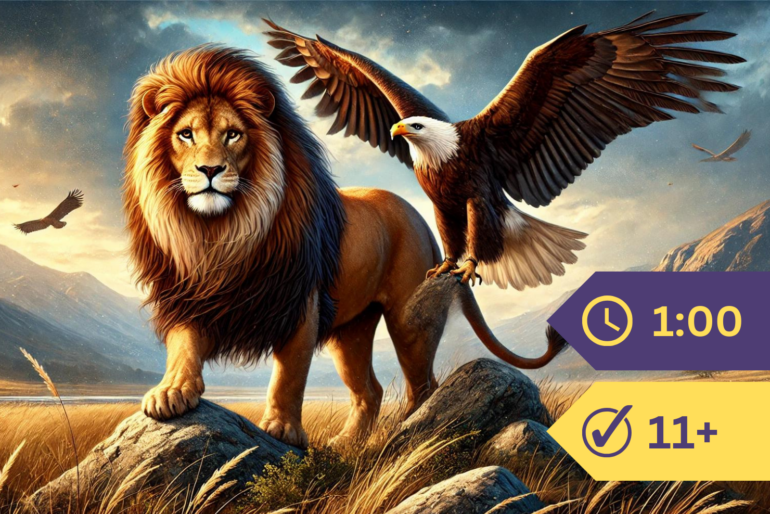
The Lion and the Eagle

Summary


"The Lion and the Eagle" is one of Aesop's fables exploring the fragile foundations of trust between two powerful creatures. When an Eagle proposes a mutual alliance with a Lion, the Lion's response cuts straight to the heart of the matter — how can any promise hold weight when one party can simply fly away the moment the agreement becomes inconvenient? In just a few sharp lines, the fable raises a question about accountability that feels as urgent as ever.


Read Online

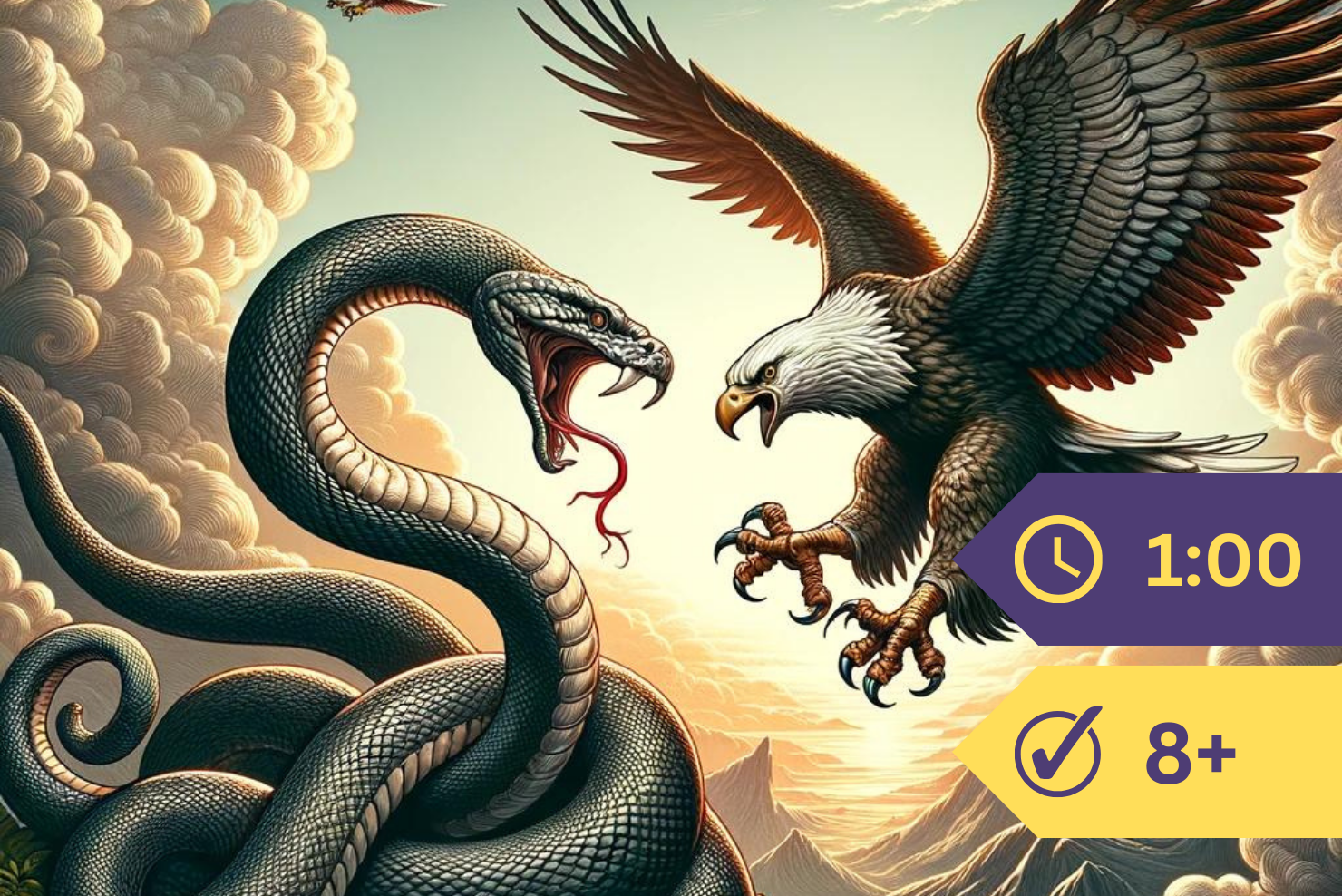
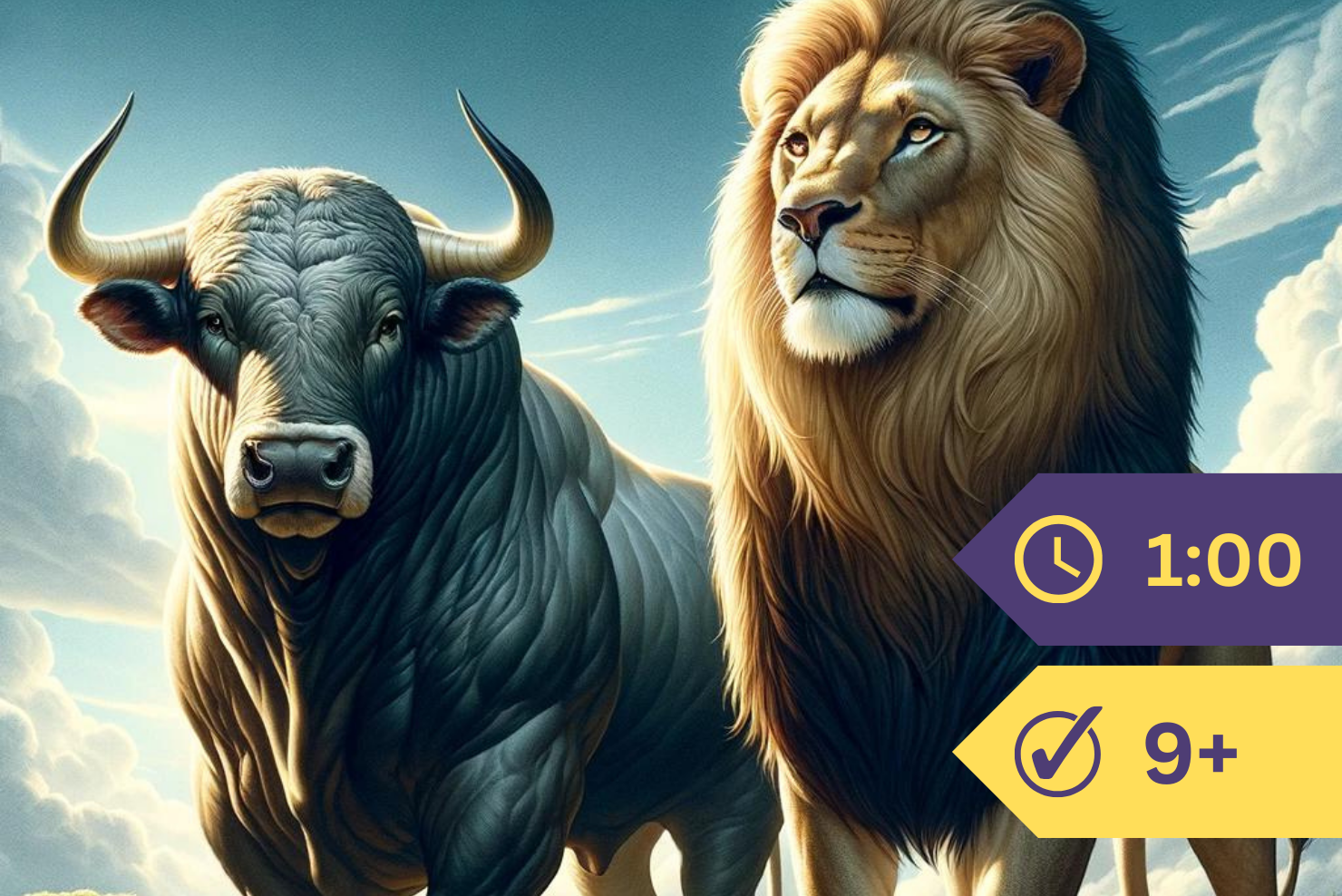
An Eagle stayed his flight and entreated a Lion to make an alliance with him to their mutual advantage. The Lion replied, “I have no objection, but you must excuse me for requiring you to find surety for your good faith, for how can I trust anyone as a friend who is able to fly away from his bargain whenever he pleases?”


Credits

Aesop was an ancient Greek storyteller, believed to have lived around the 6th century BCE, whose fables have endured for over two and a half millennia. His tales typically feature animals whose interactions illuminate human nature and moral dilemmas with striking economy. "The Lion and the Eagle" is a fine example of Aesop's gift for distilling complex social truths — here, the nature of binding commitment — into a single, perfectly weighted exchange.