The Crow and Mercury

Summary


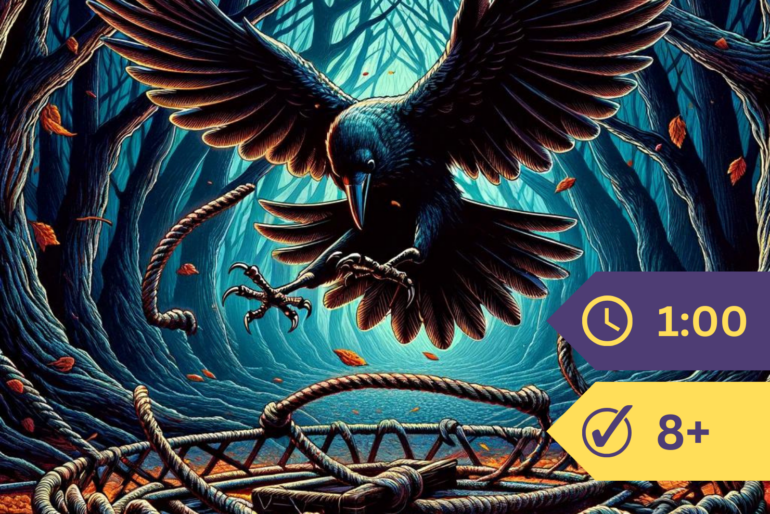
"The Crow and Mercury" is a short Aesop fable about a crow who twice finds himself caught in a snare — and twice tries to bargain his way out with a vow to the gods. When the crow breaks his promise to Apollo and then turns to Mercury for help, Mercury confronts him directly, demanding to know why any god should trust a creature who has already betrayed one divine patron. The story turns on a single devastating question that the crow cannot answer.


Read Online

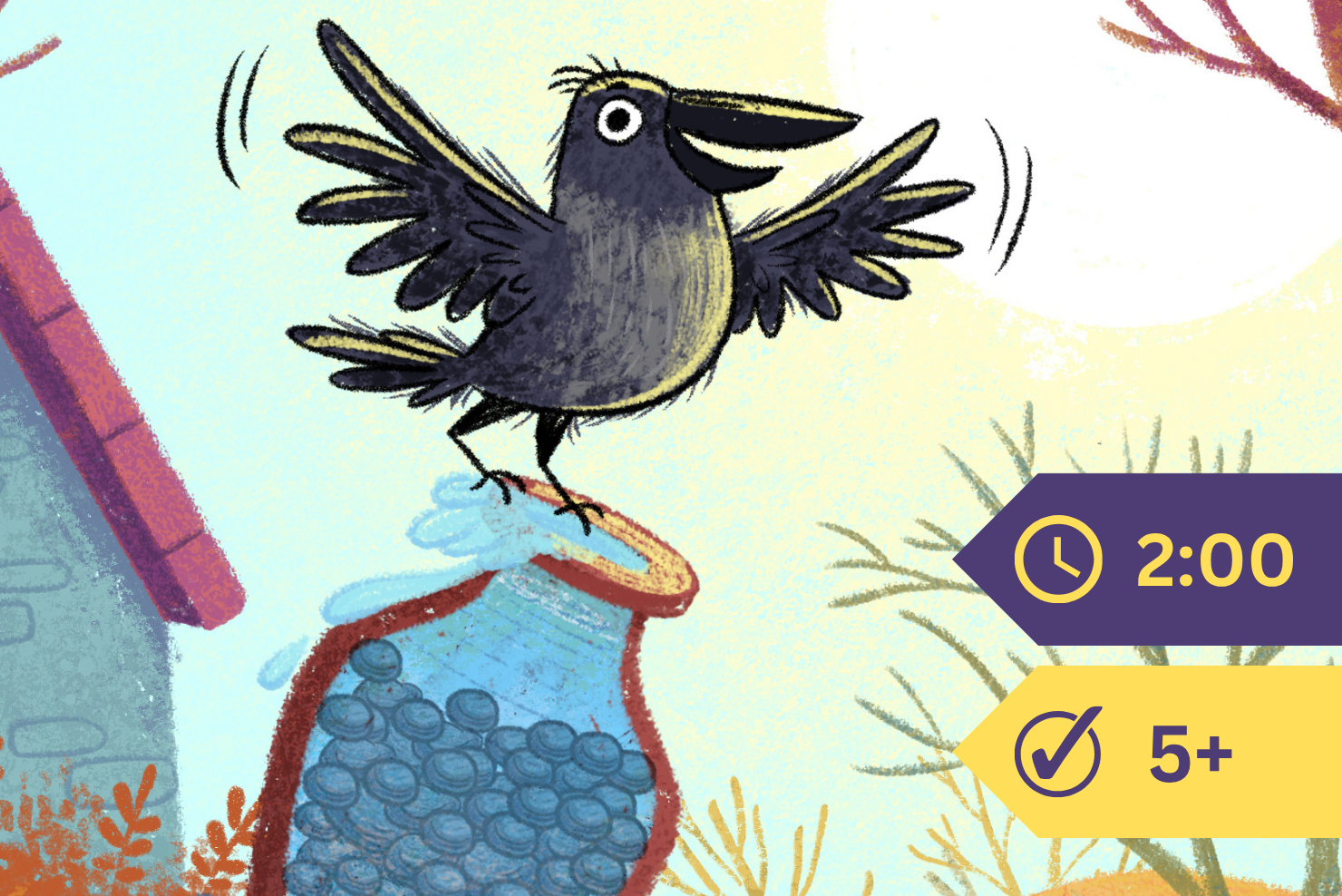
A Crow caught in a snare prayed to Apollo to release him, making a vow to offer some frankincense at his shrine. But when rescued from his danger, he forgot his promise. Shortly afterwards, again caught in a snare, he passed by Apollo and made the same promise to offer frankincense to Mercury. Mercury soon appeared and said to him, “O thou most base fellow? how can I believe thee, who hast disowned and wronged thy former patron?”


Credits

Aesop was an ancient Greek storyteller, thought to have lived around 620–564 BCE, whose fables have survived for over two millennia through countless retellings and translations. "The Crow and Mercury" features two figures from classical mythology — Apollo, god of the sun and arts, and Mercury, messenger of the gods — lending the fable an unusually sharp theological edge for such a brief tale.