The Bald Man and the Fly

Summary


"The Bald Man and the Fly" is a short Aesop fable about a bald man tormented by a biting fly — and the clumsy, painful slap he delivers trying to swat it. When the fly escapes and taunts him for hurting himself, the man's reply cuts to the heart of the story: that harm done without malice is forgivable, but harm done with cruel intent deserves no mercy. In just a few lines, Aesop captures the difference between accident and spite.


Read Online

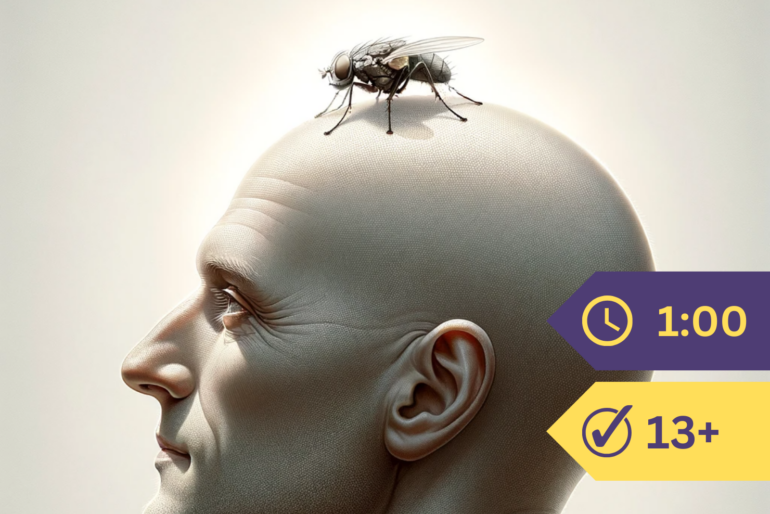
A Fly bit the bare head of a Bald Man who, endeavoring to destroy it, gave himself a heavy slap. Escaping, the Fly said mockingly, “You who have wished to revenge, even with death, the Prick of a tiny insect, see what you have done to yourself to add insult to injury?” The Bald Man replied, “I can easily make peace with myself, because I know there was no intention to hurt. But you, an ill-favored and contemptible insect who delights in sucking human blood, I wish that I could have killed you even if I had incurred a heavier penalty.”


Credits

Aesop was an ancient Greek storyteller, believed to have lived around the 6th century BCE, whose fables have shaped moral literature across the world for over two millennia. "The Bald Man and the Fly" is one of his shortest and sharpest works, distilling a complex idea about intention and blame into a single comic exchange between man and insect.