We all know the old answer — hammered on tables, shouted at school:
First in war, first in peace, first in the hearts of his countrymen.
There is hardly a corner of the country that isn’t touched by Washington somehow. A chair preserved because he sat in it; a house where he made his headquarters; a field where he camped. At Mount Vernon you can walk through the rooms he walked through, and see the four-poster bed he slept in, and stand at the edge of the grounds that ran down to the Potomac River.
Time and time again, Washington faced difficulties of the most grinding kind. He never flinched.
Time and time again, his men suffered and deserted. He suffered with them and did not lose courage.
Time and time again, he was doubted — undermined by jealous rivals — and he went straight on, doing what was right, refusing to play favorites or to court approval.
When the country he had given everything for turned against him with cruel ingratitude, he held his course. It was perhaps the hardest thing of all. But he was the Father of his Country, and in the end, his children came back to him.
And when the praise came — when the voices of an entire nation rose in gratitude and admiration — he did not lose his head. He went right on being fair.
After the Revolutionary War, as after all wars, the country was in chaos and the people were exhausted and suspicious and afraid. It was Washington who held it together: who made the government work, who turned the most frightful disorder slowly, patiently, into something that could last.
In those days, cities were small and far apart, and people traveled by stagecoach, and rumors spread like fire and were hard to fight. All of those tangled threads — and oh, how tangled they were — Washington unraveled.
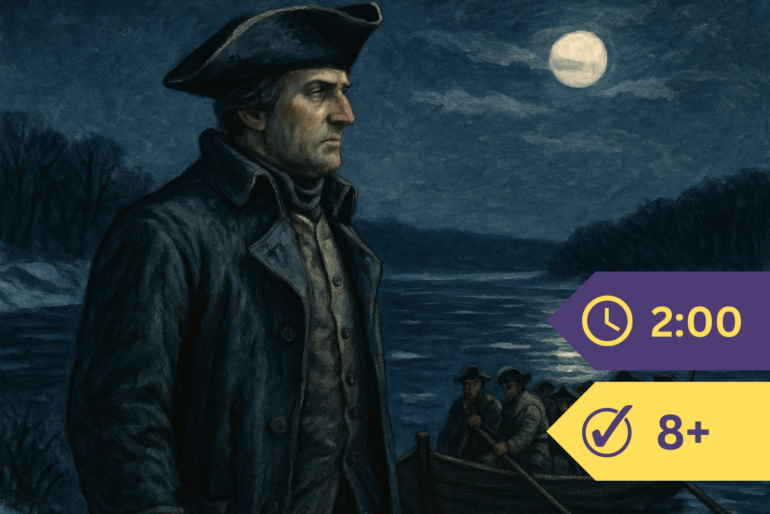
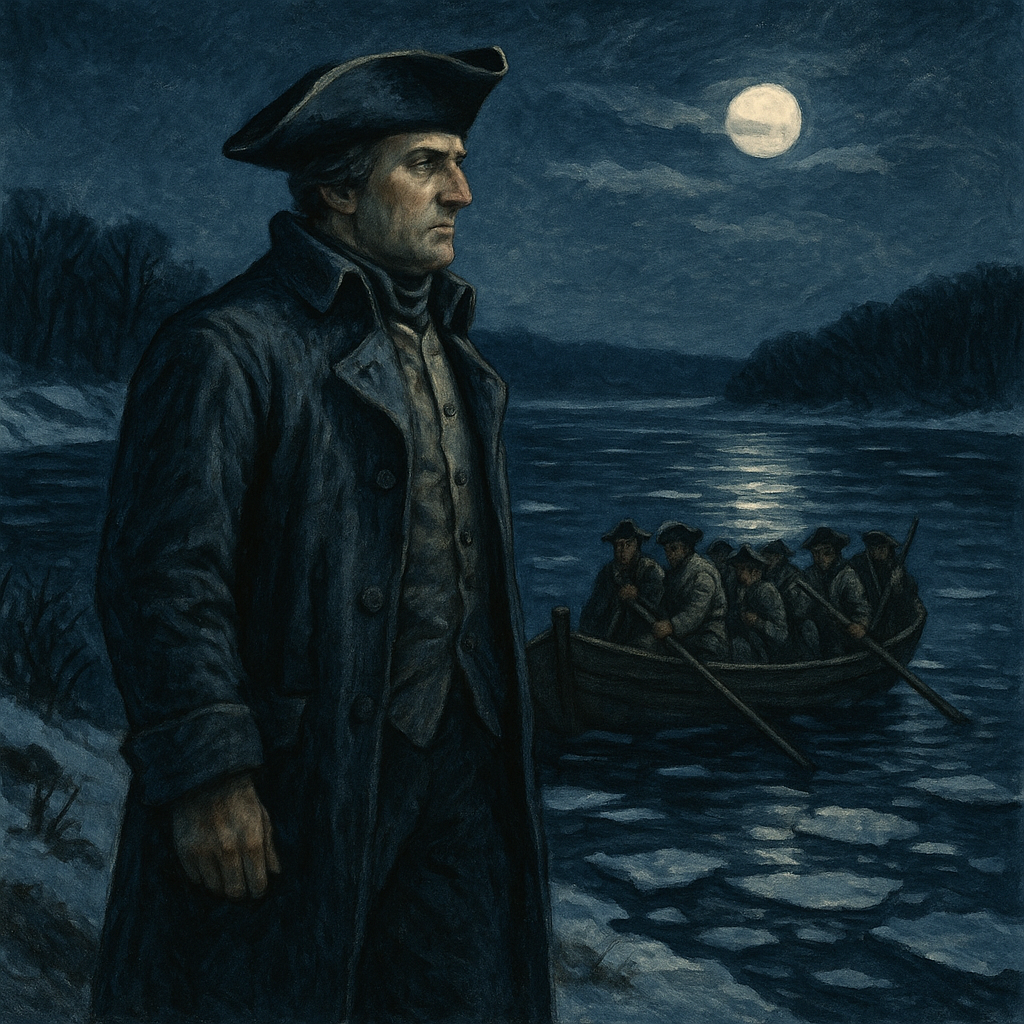
His Christmases were often nothing like Christmas. Valley Forge: frozen, the men going out for food. New Windsor: cold and suffering, until a wagon arrived full of warm shirts and coats for the army. And then there was the Christmas of the famous crossing of the Delaware.
Washington — the Father of his Country. Washington — whom all the historians call very great. And in this case, they’re right.