
Oscar Wilde
Dive into Oscar Wilde’s complete fairy tales, short stories, and novel — read them online for free, filter to discover your favorites, and explore our article to learn more about the author.
Oscar Wilde (1854–1900) was an Irish writer, poet, and playwright born in Dublin. One of the most distinctive voices of the Victorian era, he became famous for his sharp wit, elegant prose, and a philosophy of aestheticism — the belief that art exists for its own sake, independent of moral utility. His work spanned drama, fiction, poetry, and criticism, and he remains one of the most widely read and quoted authors in the English language.
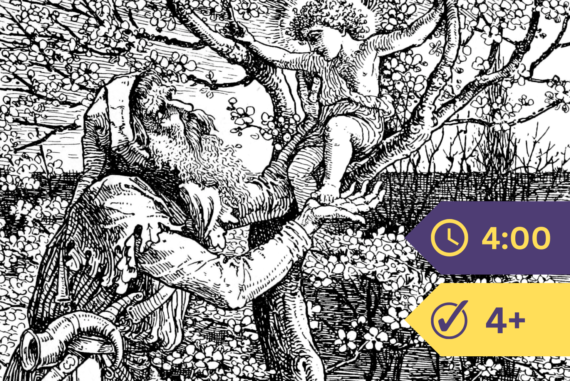
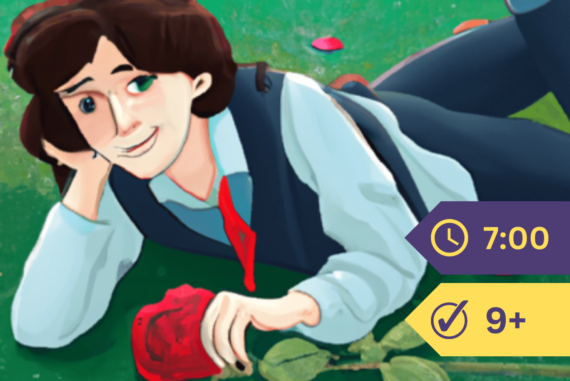
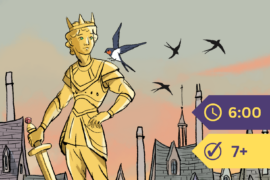
Wilde wrote two collections of literary fairy tales — The Happy Prince and Other Tales (1888) and A House of Pomegranates (1891) — which, despite their fairy-tale form, were aimed as much at adult readers as at children. These stories are notable for their emotional depth and quietly subversive moral undercurrents. The Happy Prince tells of a gilded statue and a swallow who sacrifice everything they have for the suffering poor of the city — a meditation on compassion and the cost of beauty. The Selfish Giant follows a giant who forbids children from playing in his garden, only to find that his cruelty brings perpetual winter upon him. The Nightingale and the Rose is perhaps the most bittersweet of the tales, in which a bird gives her life to create a red rose for a lovesick student — only for the gesture to be utterly wasted.
Other stories in his fairy-tale canon carry similar moral weight. The Devoted Friend offers a wry, darkly comic portrait of one-sided friendship and self-deception, while The Remarkable Rocket satirises vanity and self-importance through the character of a firework convinced of his own magnificence. Across these tales, Wilde consistently used the fairy-tale structure to explore themes of sacrifice, social injustice, and the gap between surface and substance.
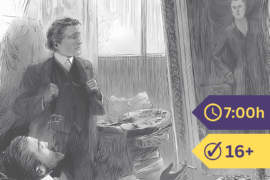
Wilde’s only novel, The Picture of Dorian Gray (1890), is his most sustained work of prose fiction. The story of a young man whose portrait ages in his place while he pursues a life of pleasure and moral corruption, it engages directly with questions of aestheticism, conscience, and the hidden costs of vanity. The novel provoked controversy upon publication and remains a central text in both Victorian literature and Gothic fiction. Wilde’s literary reputation endured well beyond his lifetime, and his fairy tales and novel continue to be studied and read across the world.