
Nathaniel Hawthorne
Dive into Nathaniel Hawthorne’s complete short stories and mythological retellings, read them online for free, filter to discover your favorites, and explore our article to learn more about the author.



Nathaniel Hawthorne (1804–1864) was an American novelist and short story writer, widely regarded as one of the most important figures in nineteenth-century American literature. Born in Salem, Massachusetts — a town whose Puritan heritage and infamous witch trials cast a long shadow over his imagination — Hawthorne spent much of his literary career examining the moral and psychological complexity of American identity. His work sits at the intersection of Romanticism and early psychological fiction, and he is perhaps best known for his novel The Scarlet Letter (1850).
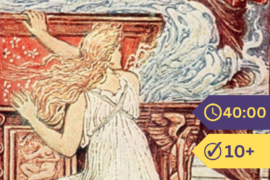
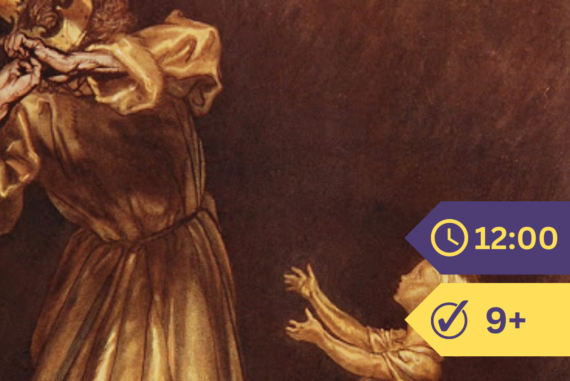
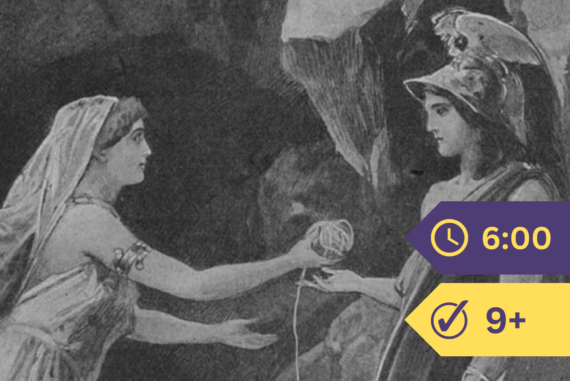
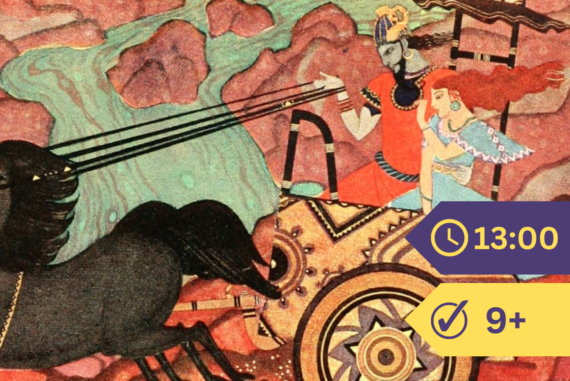
Beyond his novels, Hawthorne produced a substantial body of short fiction and retellings of classical myth, particularly aimed at younger readers. His collections A Wonder-Book for Girls and Boys (1851) and Tanglewood Tales (1853) retold stories from Greek mythology in accessible, richly imagined prose. Among these is The Golden Touch, his version of the Midas legend, in which a king’s obsession with gold ultimately costs him what he loves most. Similarly, Theseus and the Minotaur follows the young hero’s journey into the labyrinth, while The Pomegranate Seeds retells the myth of Persephone’s abduction and her mother Ceres’ desperate search for her. The Paradise of Children reimagines the story of Pandora, framing it through the eyes of two orphaned children, Epimetheus and Pandora herself.
Hawthorne’s darker short fiction draws heavily on Puritan New England as its setting and moral backdrop. Young Goodman Brown is one of his most studied works, following a young Puritan man who ventures into the forest at night and encounters a procession of sinners that shakes his faith — and his sanity — to the core. The Minister’s Black Veil explores similar themes of hidden sin and public shame through the figure of a New England clergyman who one day appears before his congregation wearing an inexplicable black veil and refuses ever to remove it. Both stories are characteristic of Hawthorne’s preoccupation with guilt, secrecy, and the tension between outward piety and inner corruption.
The Great Stone Face stands somewhat apart from these darker works, offering a more contemplative fable about a man who spends his life looking up at a mountainside formation resembling a noble human face, waiting for the great person it supposedly resembles to appear. The story reflects Hawthorne’s interest in idealism and the nature of character. Across all his writing, whether retelling ancient myth or probing the conscience of colonial New England, Hawthorne maintained a distinctly allegorical sensibility that has secured his place as a foundational voice in American literary history.