
Mary Stewart
Dive into Mary Stewart’s complete collection of children’s stories and fairy tales — read them online for free, filter to discover your favorites, or explore our article to learn more.
Mary Stewart was an early twentieth-century American author known for her contributions to children’s literature, particularly stories written for young readers around the holiday seasons and moral education. Her work reflects the storytelling traditions popular in the progressive era of children’s publishing, where imaginative tales were used to instill values of kindness, wonder, and community in young audiences.
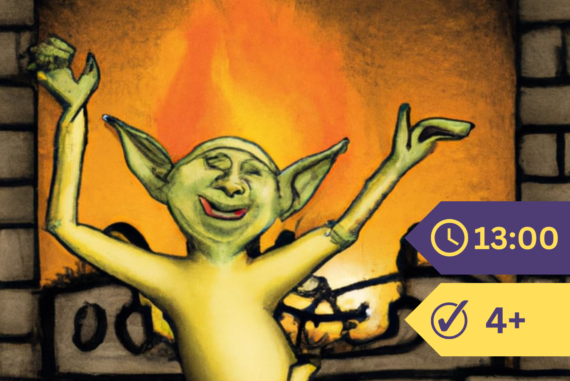
Stewart’s writing is characterized by its warm, fireside tone — a narrative style that feels intimate and spoken aloud, drawing children directly into the world of the story. Her tales often feature fantastical creatures and seasonal settings, framing lessons about behavior and goodness within magical circumstances. In The Bad Little Goblin’s New Year, for example, Stewart opens with an invitation to sit by the fire and watch the flames, immediately creating a cozy, imaginative atmosphere before weaving in a story about a mischievous goblin and the turning of the New Year. The use of the hearth as a storytelling device is typical of her accessible, nurturing prose style.
Thematically, Stewart’s stories tend to center on transformation and the possibility of redemption — even a “bad” goblin carries within the potential for change. Her characters, whether fantastical or ordinary, are placed in situations that gently challenge them, and the seasonal backdrop of New Year serves as a natural symbol for fresh starts and renewed intentions. This moral underpinning, delivered through fantasy rather than didactic instruction, aligns her work with the broader tradition of progressive-era children’s literature in the United States.
Mary Stewart occupies a modest but meaningful place in the history of early American children’s storytelling, representing the kind of imaginative, value-centered writing that shaped juvenile literature in the early 1900s. Her stories continue to offer a window into how authors of her era used myth, magic, and seasonal ritual to speak to the moral imagination of the very young.