
John Mason Neale
Dive into John Mason Neale’s poems and hymns collected here — read them online for free, filter to find your favorites, and explore our article to learn more.
John Mason Neale (1818–1866) was an English Anglican clergyman, scholar, and poet whose contributions to Christian hymnody left a lasting mark on English-language worship. Born in London, Neale was a prolific writer who combined deep theological learning with a gift for verse, producing works that blended medieval tradition with Victorian sensibility. He was also a noted translator, bringing many ancient Latin and Greek hymns into accessible English for the first time.
Neale was a central figure in the Anglo-Catholic movement within the Church of England and co-founded the Cambridge Camden Society, which championed Gothic Revival architecture and liturgical scholarship. His interests ranged widely — from church history and Eastern Orthodox theology to medieval carol traditions — and this breadth is reflected in the richness of his literary output.
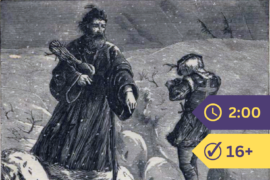
Among his most enduring works is Good King Wenceslas, a carol written in 1853 and set to a medieval spring carol melody. The poem tells the story of the historical Duke Wenceslas I of Bohemia, who ventures out on the Feast of Stephen — the day after Christmas — to bring alms to a poor man in the bitter winter snow. The carol’s vivid imagery of snow lying “deep, and crisp, and even” and its moral emphasis on charity and compassion have made it one of the most recognisable Christmas poems in the English-speaking world.
Neale’s broader body of work includes translations of ancient hymns that remain standard in many Christian denominations today, such as renderings of texts by St. Bernard of Clairvaux and early Greek fathers. His scholarly approach to hymnody helped revive interest in pre-Reformation liturgical poetry during the nineteenth century, influencing how congregations across traditions have sung and prayed ever since. Neale died in 1866, but his verse continues to appear in hymnals and carol collections worldwide, securing his place as one of the most significant religious poets of the Victorian era.