
J.J.A. Goevernour
Dive into J.J.A. Goevernour’s complete fairy tales and short stories, read them online for free, filter to discover your favorites, and learn more about the author.

J.J.A. Goevernour was a nineteenth-century Dutch author known for his contributions to children’s literature and fairy tale writing in the Netherlands. He wrote in the tradition of European folk and fairy tale storytelling, drawing on older oral and literary sources to craft stories that were both morally instructive and imaginatively rich. His work helped shape the Dutch canon of children’s stories during a period when such literature was gaining cultural importance across Europe.
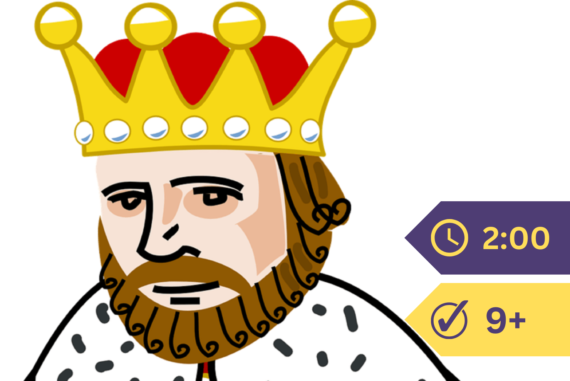
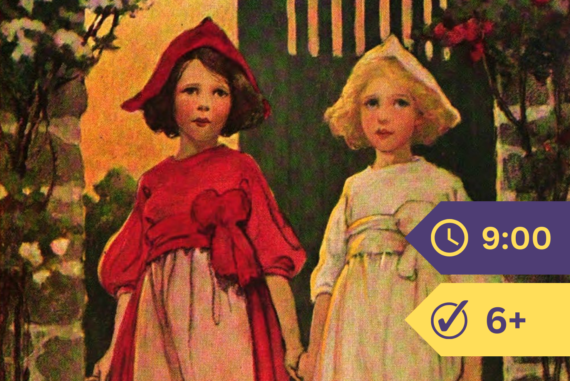
Goevernour’s fairy tales often revolve around themes of virtue, cleverness, and the consequences of one’s character. In Blanca and Rosalinde, two young women of contrasting temperaments meet very different fates, a structure common to the moral fairy tale tradition. Similarly, The Worthy One explores questions of leadership and moral fitness, as four princes compete for a crown and a council of wise men seeks to determine which among them deserves to rule.
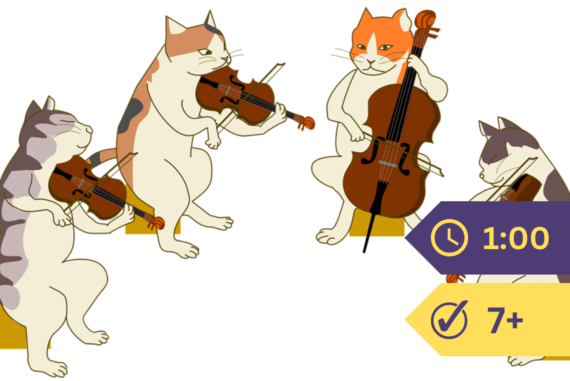
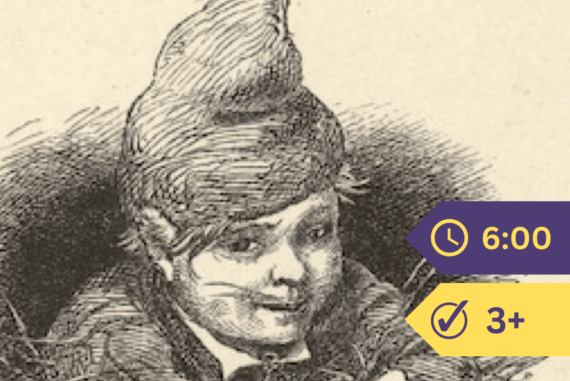
Goevernour also had a talent for lighter, more whimsical storytelling. The Gnomes is set in the city of Cologne and draws on German folk tradition, depicting the small nocturnal beings who once mingled with human society. The Four Musicians follows a group of travelling players who come upon the ruins of an old castle by moonlight, blending atmosphere and comedy in a story reminiscent of older European folk tales. The Day Thief and the Three Birds takes a more picaresque turn, following a penniless wanderer whose hunger leads him into a series of encounters with talking birds, each offering cryptic advice.
Across his work, Goevernour demonstrated a consistent interest in the folklore of Northern and Central Europe, adapting and retelling stories in a style accessible to younger Dutch readers while preserving the strangeness and moral weight of the original traditions. His stories remain a notable part of the nineteenth-century Dutch literary heritage for children.