
E.M. Wilmot-Buxton
Dive into E.M. Wilmot-Buxton’s captivating Norse myths and retellings — read them online for free, filter to discover your favorites, or explore our article to learn more.
E.M. Wilmot-Buxton was a British author active in the late nineteenth and early twentieth centuries, best known for her accessible retellings of mythology and ancient legends for younger readers. She contributed to a tradition of scholarly popularization, bringing the rich oral and literary heritage of cultures such as the Norse, Greek, and Roman worlds to a broad audience at a time when such retellings were increasingly valued in educational and home reading contexts.
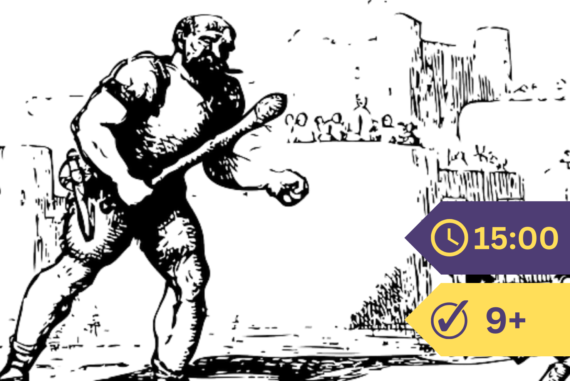
Her work focused particularly on Norse mythology, presenting its dramatic stories with clarity and narrative energy while remaining rooted in the original source material. In The Story of the Norse About How Everything Began, she traces the Norse cosmogony from the primordial void and the House of Mist through to the shaping of the world — a subject that demands both careful handling of source material and skill in translating archaic imagery into readable prose. Her retelling conveys the grandeur and strangeness of Norse creation mythology without stripping away its essential character.
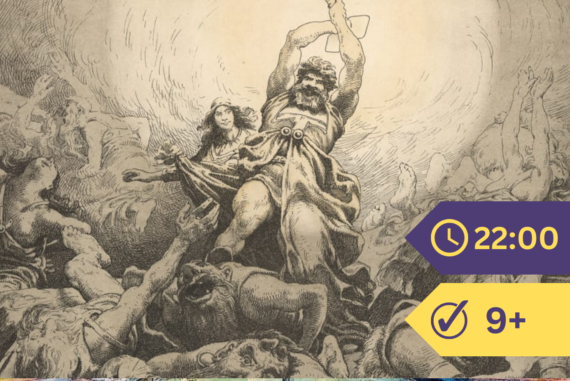
Equally vivid is her handling of the gods themselves. In How Thor’s Hammer Was Lost and Found, she recounts the episode in which the mighty Mjölnir goes missing — stolen by the Frost Giants — and Thor must recover it through cunning rather than brute force alone. The story captures the blend of heroic drama and earthy humor that characterizes much of the Eddic tradition, and Wilmot-Buxton renders it with a storyteller’s instinct for pace and detail.
Wilmot-Buxton’s place in literary history lies in her role as a transmitter of mythological tradition. Her retellings helped introduce generations of readers to the Norse pantheon — Odin, Thor, the Frost Giants, and the vast cosmological framework of the Eddas — at a moment when interest in pre-Christian Northern European mythology was growing among both scholars and the general public. Her prose style balanced fidelity to the source material with the demands of narrative accessibility, making her books a reliable and readable point of entry into a complex mythological tradition.