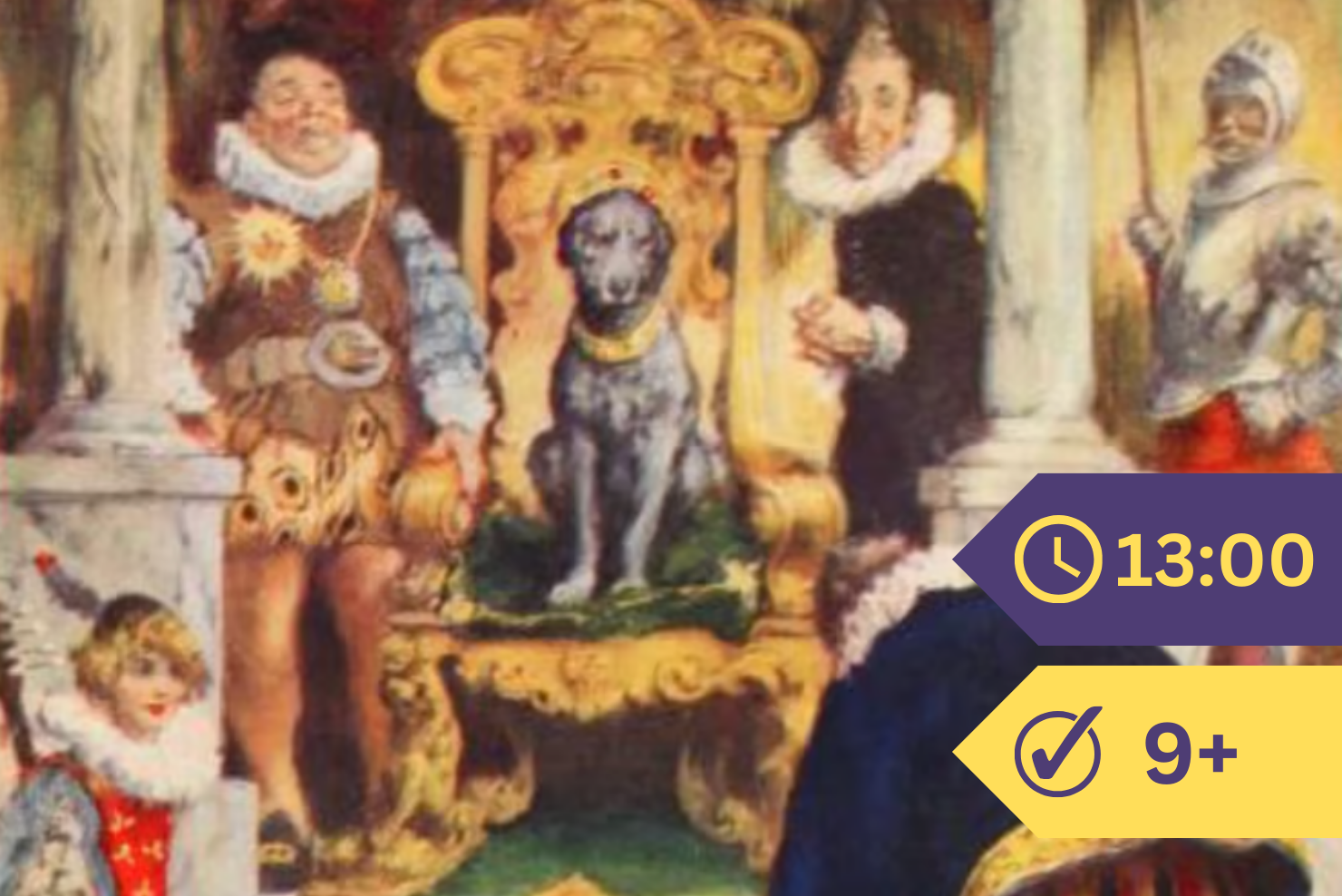
The Thief and His Mother

Summary


"The Thief and His Mother" is a short Aesop fable about a boy whose early thefts go unpunished — and are even encouraged — by his own mother. What begins with a stolen lesson-book grows into a life of crime, each act emboldened by her silence and praise. When the young man is finally caught and condemned to death, his chilling response to his grieving mother lays the blame squarely where he believes it belongs. The fable delivers its moral with brutal economy.

Read Online

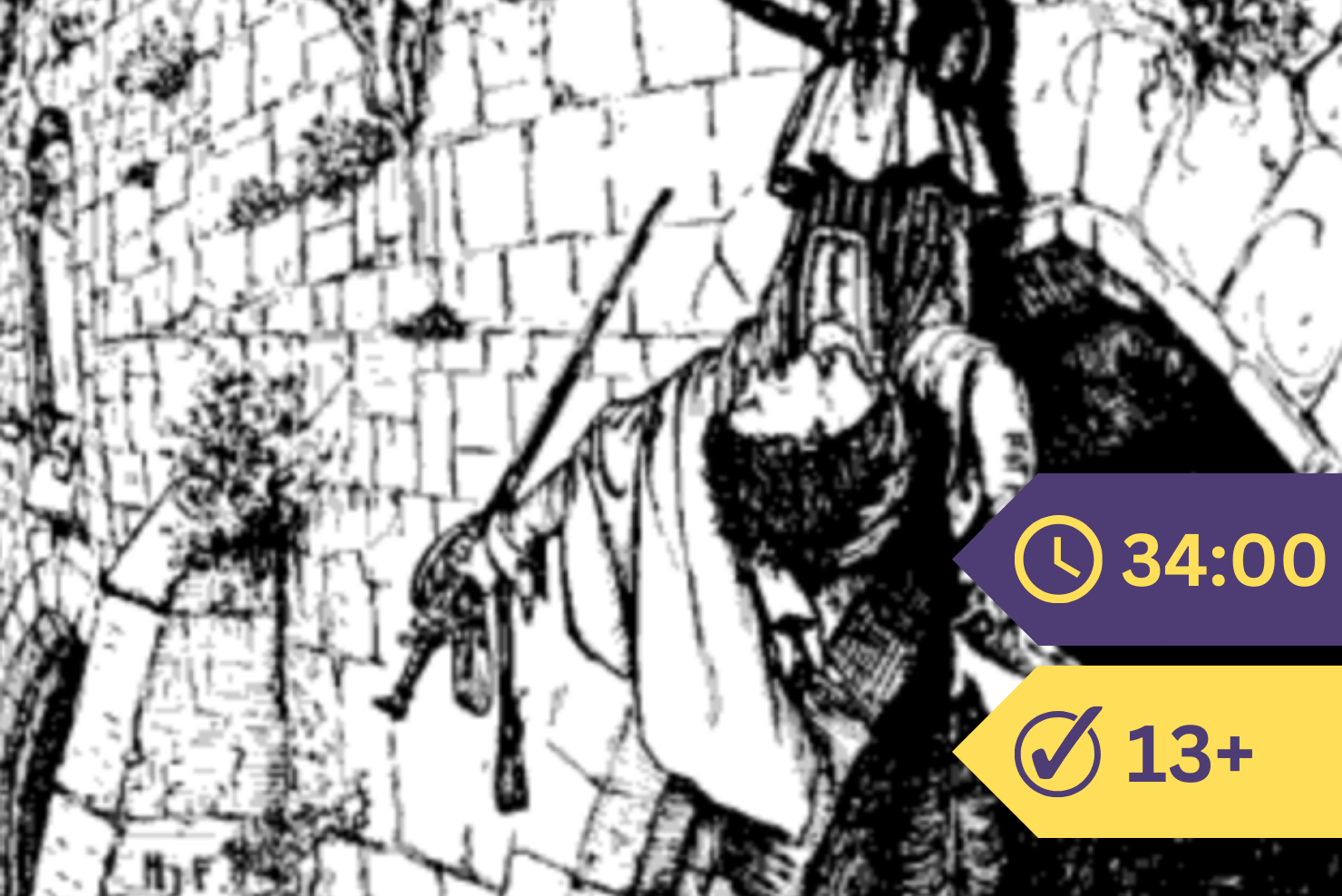
A Boy stole a lesson-book from one of his schoolfellows and took it home to his Mother. She not only abstained from beating him, but encouraged him. He next time stole a cloak and brought it to her, and she again commended him. The Youth, advanced to adulthood, proceeded to steal things of still greater value. At last he was caught in the very act, and having his hands bound behind him, was led away to the place of public execution. His Mother followed in the crowd and violently beat her breast in sorrow, whereupon the young man said, “I wish to say something to my Mother in her ear.” She came close to him, and he quickly seized her ear with his teeth and bit it off. The Mother upbraided him as an unnatural child, whereon he replied, “Ah! if you had beaten me when I first stole and brought to you that lesson-book, I should not have come to this, nor have been thus led to a disgraceful death.”


Credits

Aesop was an ancient Greek storyteller, believed to have lived around 620–564 BCE, whose fables have shaped moral literature across centuries. His tales typically use animals or ordinary people to expose human folly, and this particular story is unusual among his fables for its stark, almost violent conclusion. The moral — that a parent's failure to correct a child early bears lasting consequences — remains one of Aesop's most sobering.