The Rose and the Amaranth

Summary


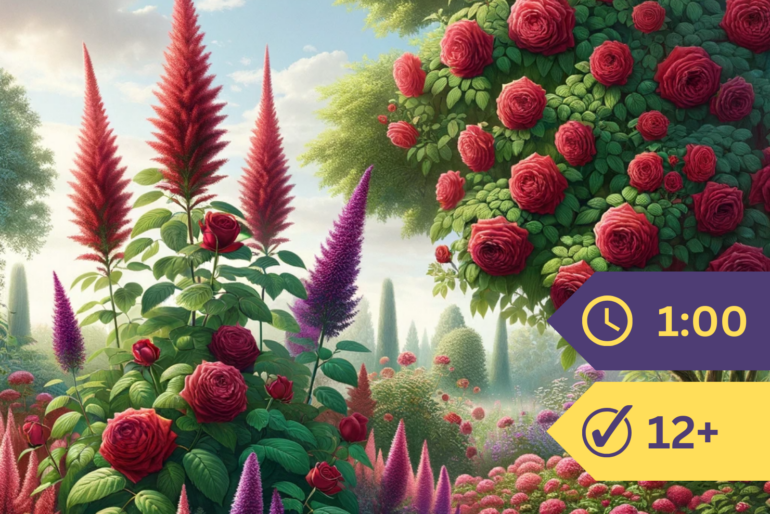
"The Rose and the Amaranth" is a short fable by Aesop in which an Amaranth gazes enviously at its neighbour, the Rose, admiring her beauty and sweet perfume. But when the Rose responds, she reveals the quiet sadness beneath her splendour — her bloom is fleeting, destined to fade or be cut down. The Amaranth, by contrast, lives on forever in endless youth. The exchange reframes envy into something more thoughtful, asking what we truly value: dazzling beauty or quiet, enduring life.


Read Online

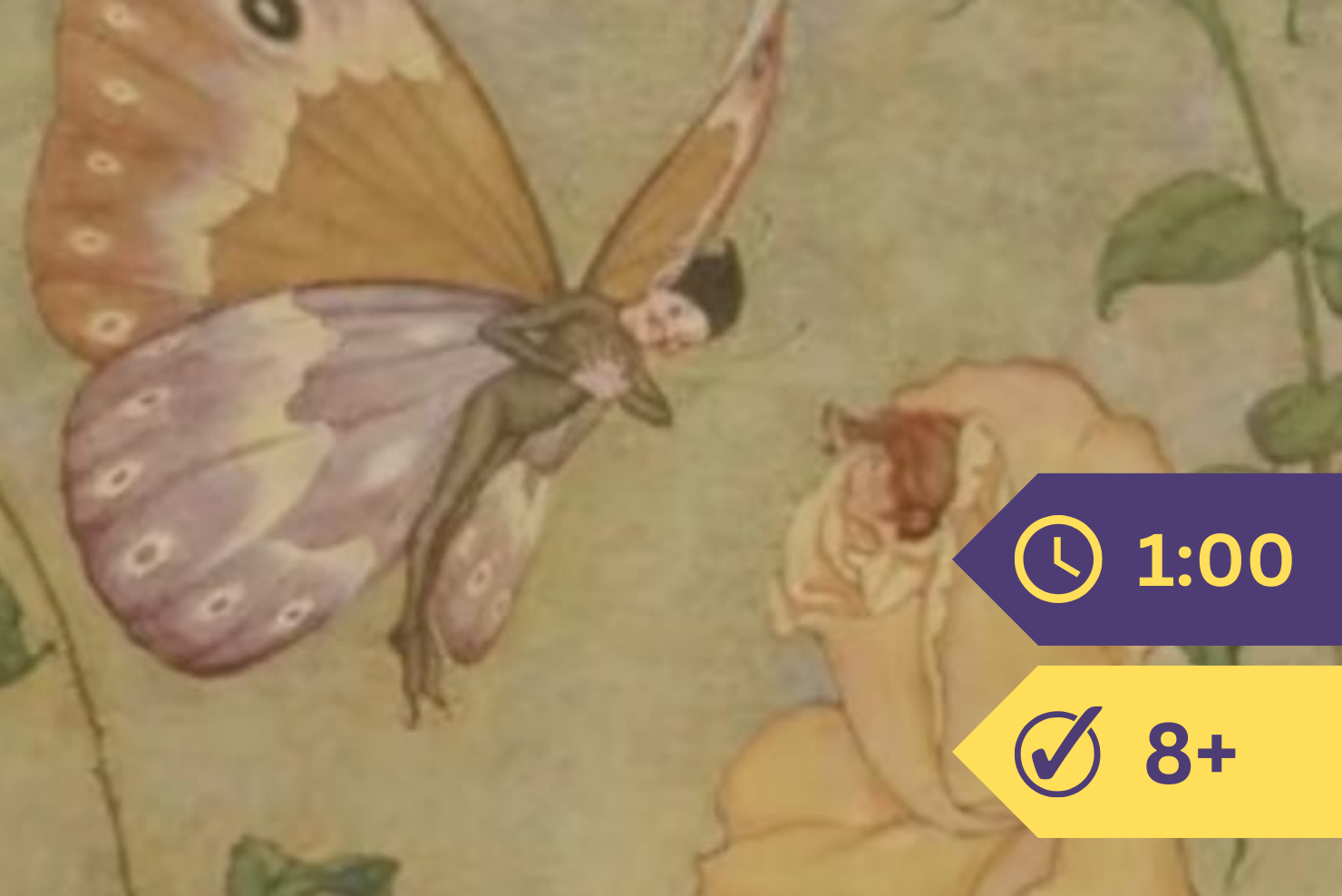
An Amaranth planted in a garden near a Rose-Tree, thus addressed it: “What a lovely flower is the Rose, a favorite alike with Gods and with men. I envy you your beauty and your perfume.” The Rose replied, “I indeed, dear Amaranth, flourish but for a brief season! If no cruel hand pluck me from my stem, yet I must perish by an early doom. But thou art immortal and dost never fade, but bloomest for ever in renewed youth.”


Credits

Aesop was an ancient Greek storyteller, believed to have lived around 620–564 BCE, whose fables have shaped moral literature across centuries. "The Rose and the Amaranth" is one of his more tender fables, using two flowers in quiet conversation to explore themes of envy, impermanence, and the overlooked gifts we already possess.