The peacock and the crane

Summary


"The Peacock and the Crane" is a short fable by Aesop in which a vain peacock spreads his dazzling tail to humiliate a plain-feathered crane. Certain that beauty equals superiority, the peacock mocks the crane's dull appearance — until the crane responds not with words but with flight, rising freely toward the sun while the peacock remains earthbound in the barnyard. The story builds its tension quietly, letting the contrast between showy appearance and quiet capability speak for itself.


Read Online

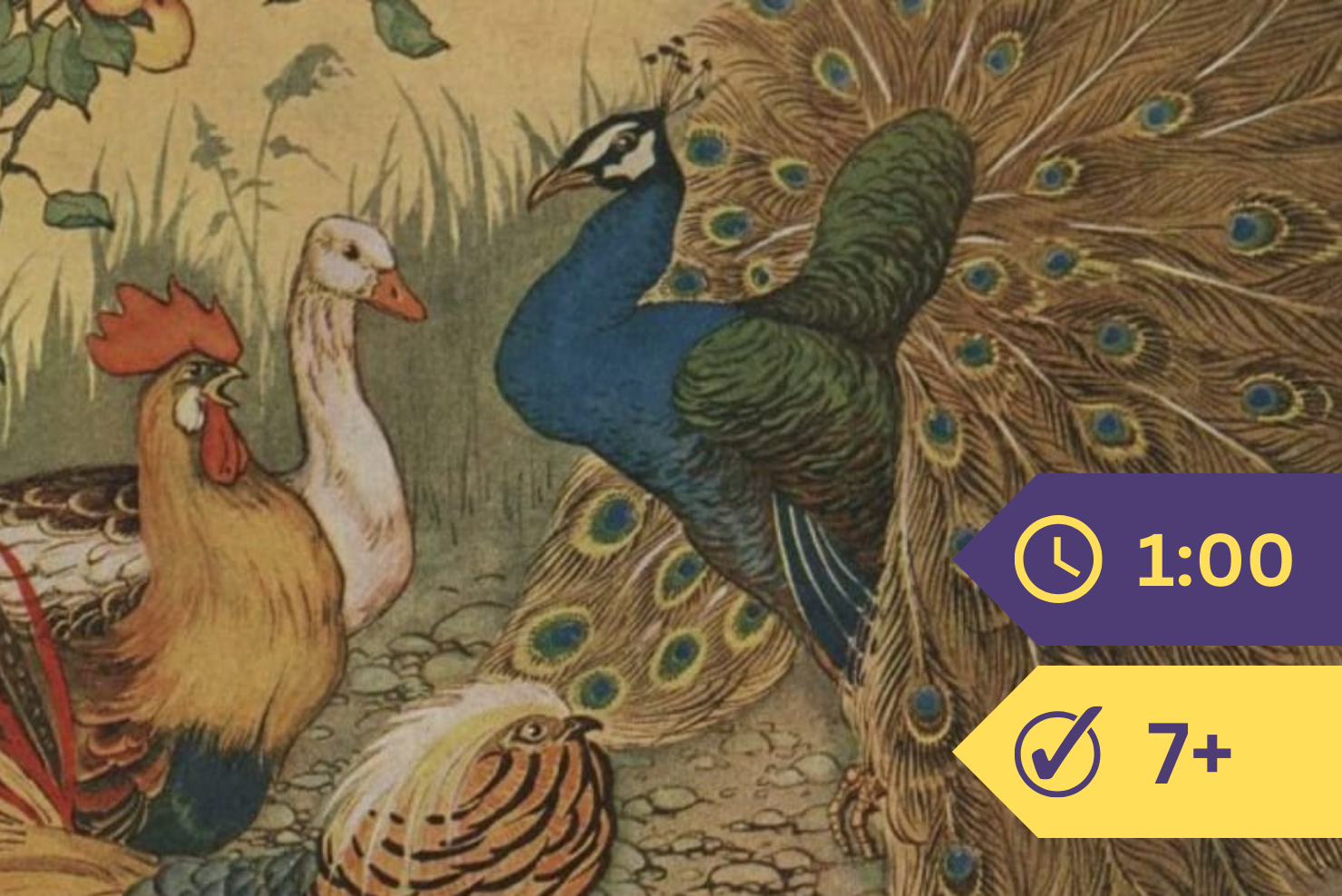
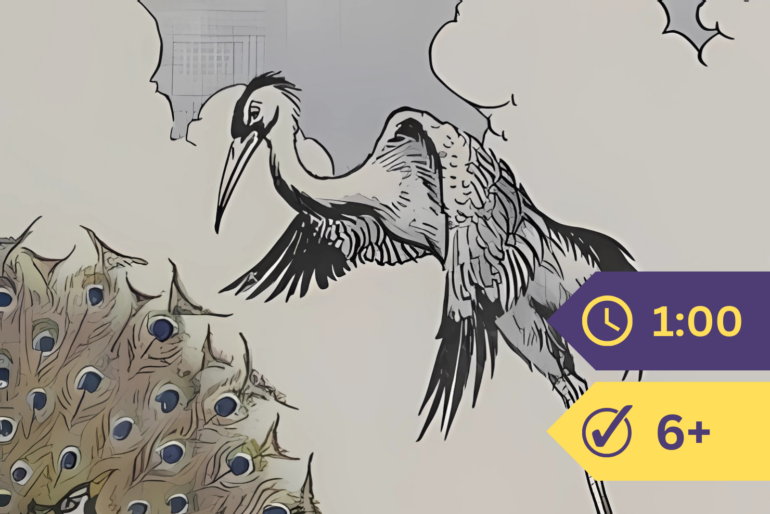
A Peacock, puffed up with vanity, met a Crane one day, and to impress him spread his gorgeous tail in the Sun.

“Look,” he said. “What have you to compare with this? I am dressed in all the glory of the rainbow, while your feathers are gray as dust!”

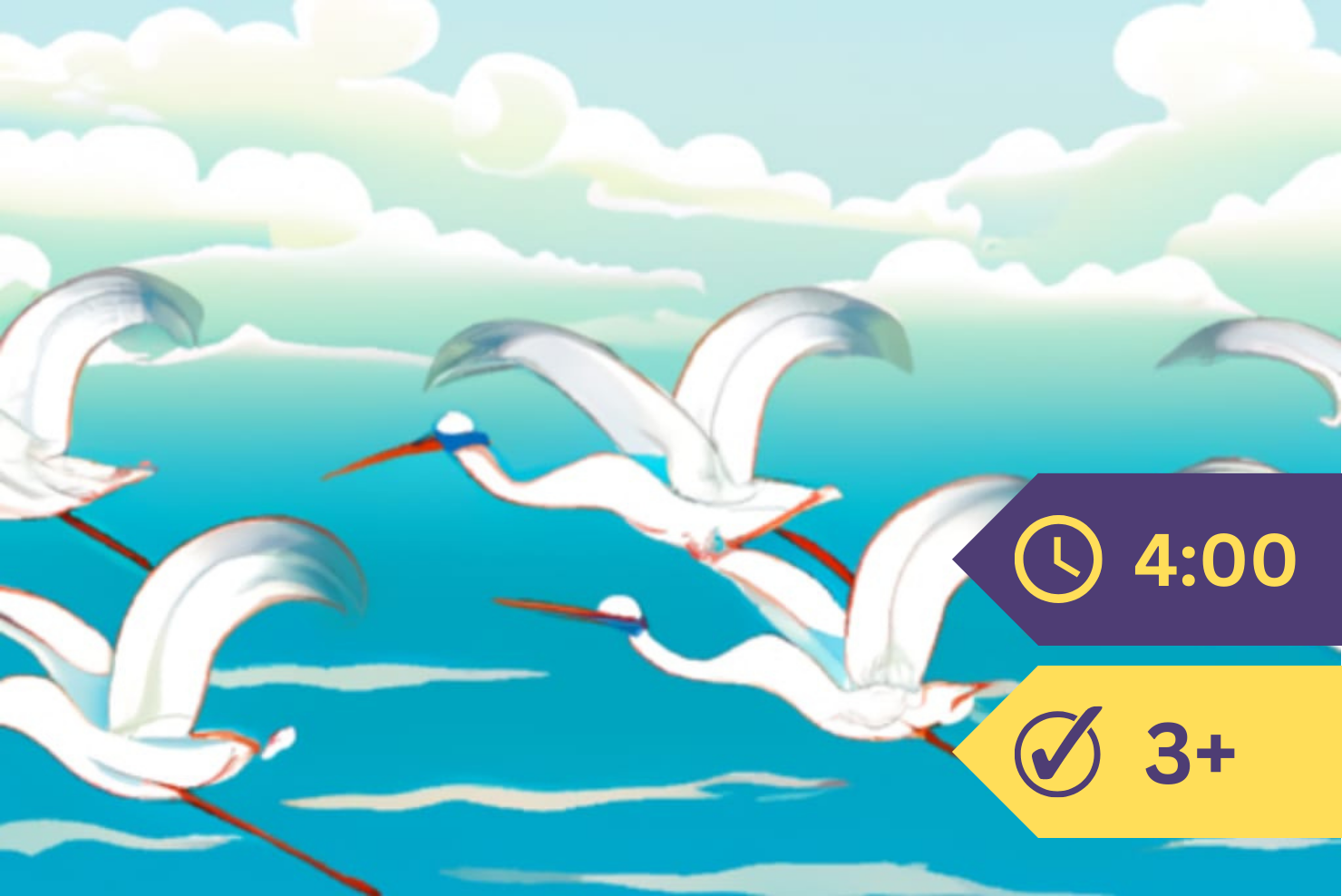
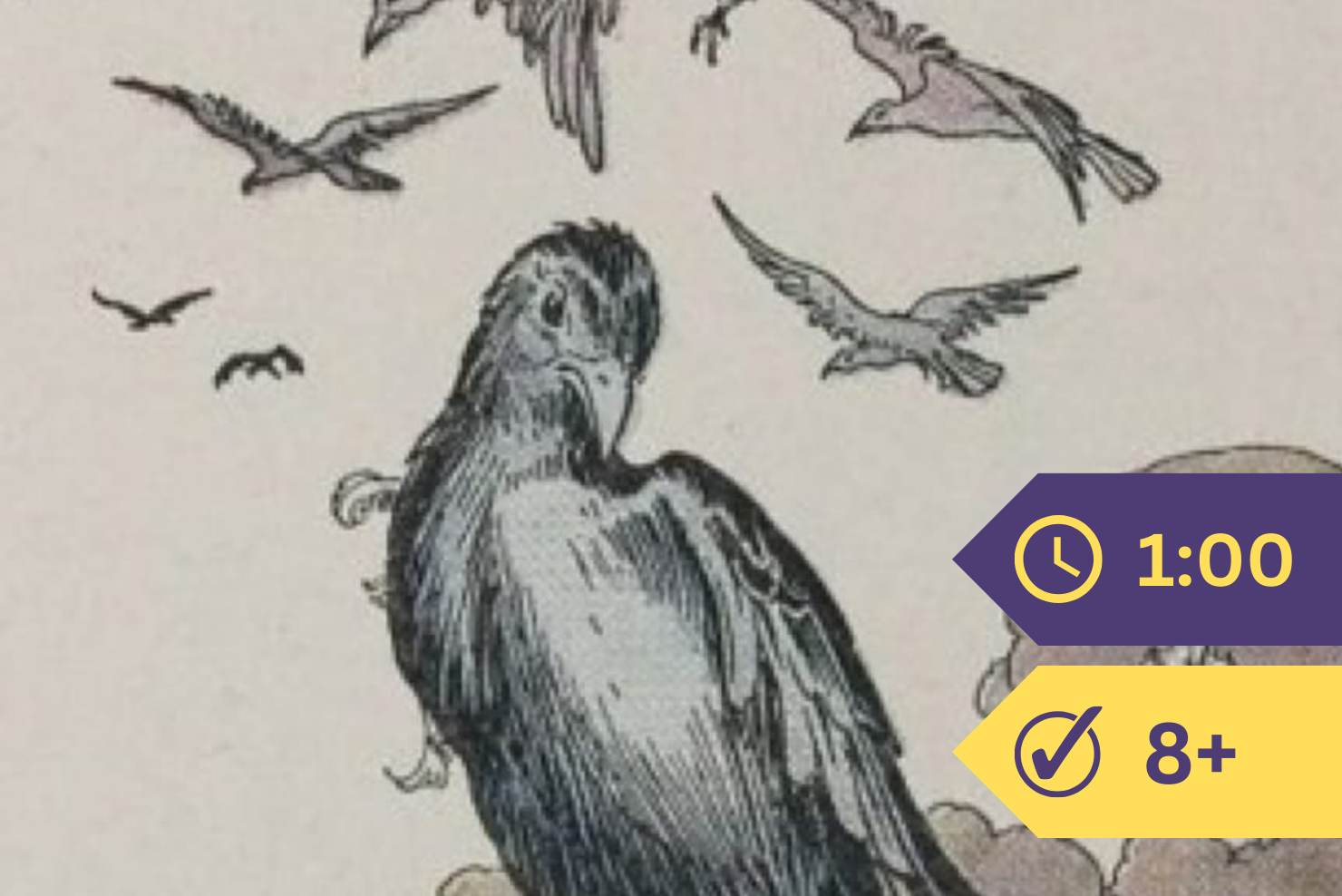
The Crane spread his broad wings and flew up toward the sun.

“Follow me if you can,” he said. But the Peacock stood where he was among the birds of the barnyard, while the Crane soared in freedom far up into the blue sky.


Credits

Aesop was an ancient Greek storyteller, believed to have lived around 620–564 BCE, whose fables have shaped moral literature across cultures for over two millennia. "The Peacock and the Crane" is a characteristic example of his method: a brief animal encounter that delivers its lesson entirely through action rather than moralizing speech.