The Oak And The Reeds

Summary


"The Oak And The Reeds" is one of Aesop's most enduring fables, setting a mighty oak's pride against the quiet wisdom of slender reeds bowing beside a brook. When the oak mocks the reeds for bending to every breeze, they warn him that flexibility is strength — not weakness. Their warning goes unheeded. As a great hurricane tears in from the north, the oak fights the wind with every ounce of its power, while the reeds simply yield and survive.


Read Online

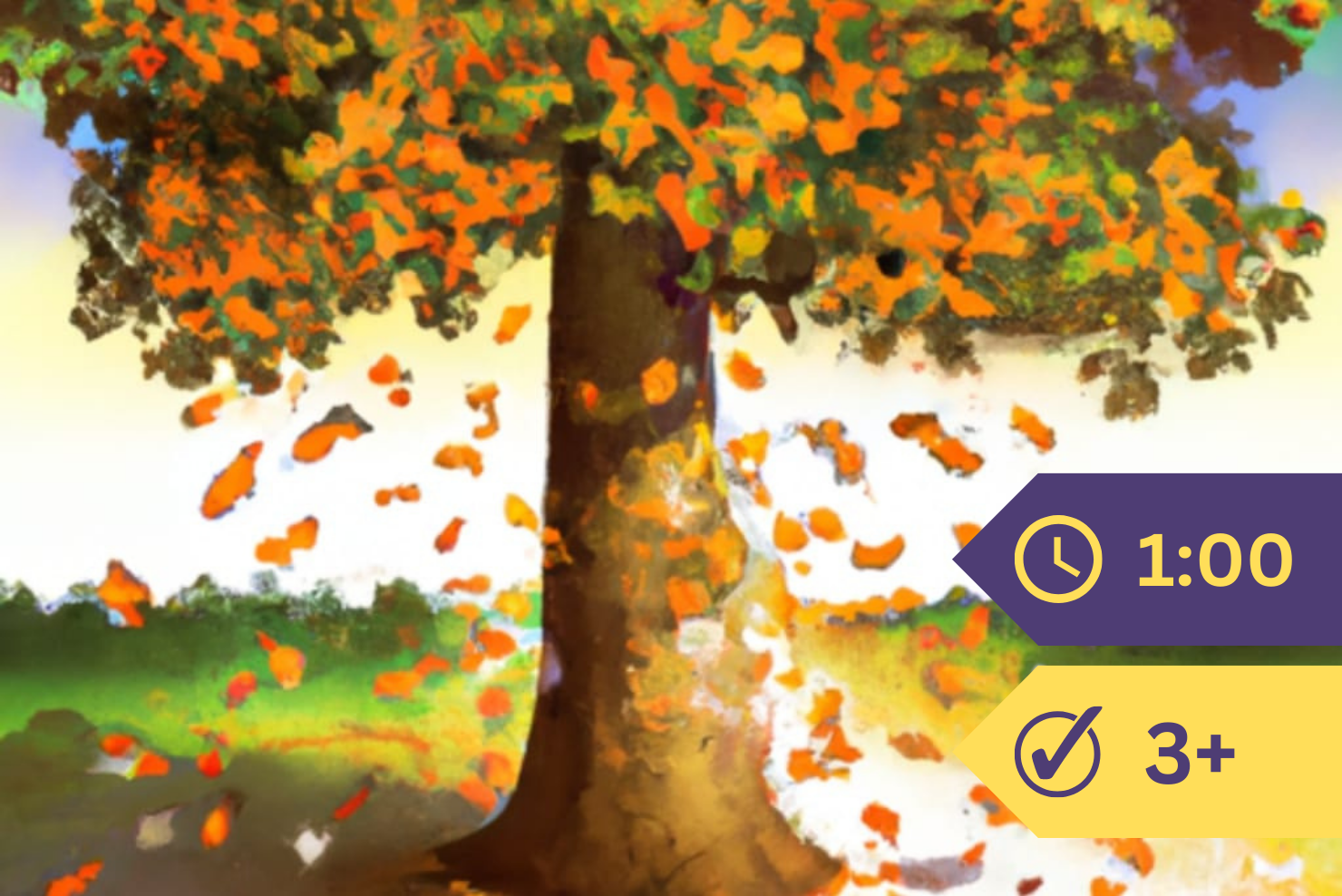
A Giant Oak stood near a brook in which grew some slender Reeds. When the wind blew, the great Oak stood proudly upright with its hundred arms uplifted to the sky. But the Reeds bowed low in the wind and sang a sad and mournful song.

“You have reason to complain,” said the Oak. “The slightest breeze that ruffles the surface of the water makes you bow your heads, while I, the mighty Oak, stand upright and firm before the howling tempest.”

“Do not worry about us,” replied the Reeds. “The winds do not harm us. We bow before them and so we do not break. You, in all your pride and strength, have so far resisted their blows. But the end is coming.”

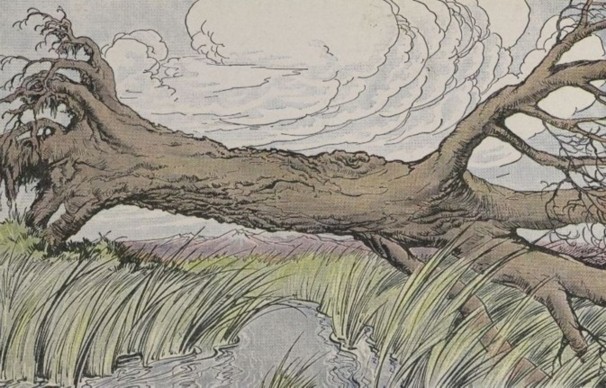
As the Reeds spoke a great hurricane rushed out of the north. The Oak stood proudly and fought against the storm, while the yielding Reeds bowed low. The wind redoubled in fury, and all at once the great tree fell, torn up by the roots, and lay among the pitying Reeds.

Credits

Aesop was an ancient Greek storyteller, believed to have lived around 620–564 BCE, whose fables have shaped moral thinking across cultures for over two thousand years. "The Oak And The Reeds" is a particularly well-travelled tale — versions of it appear in the works of later writers including La Fontaine, confirming its lasting resonance. Aesop's fables are renowned for distilling complex truths about human nature into brief, vivid scenes drawn from the animal and natural world.