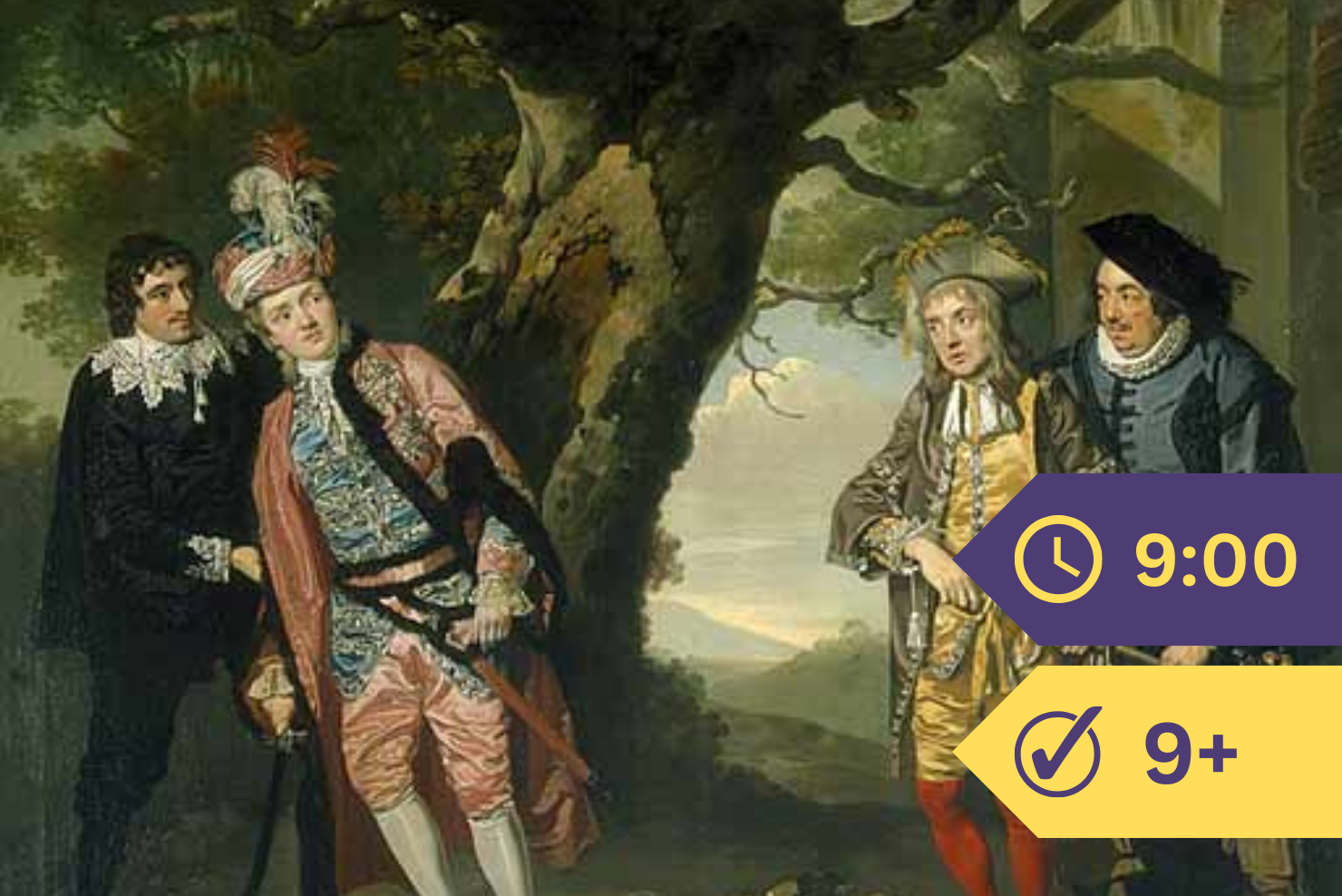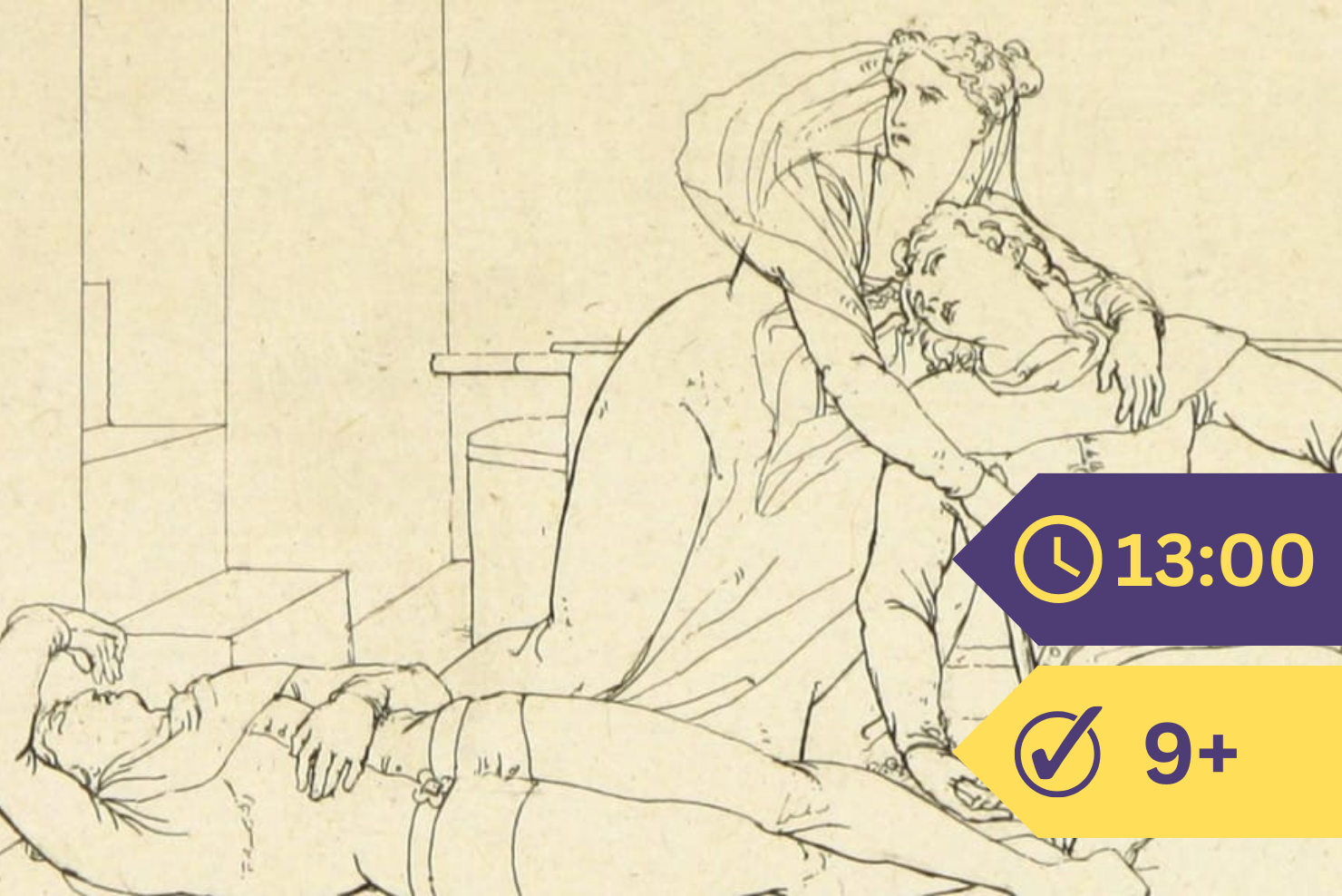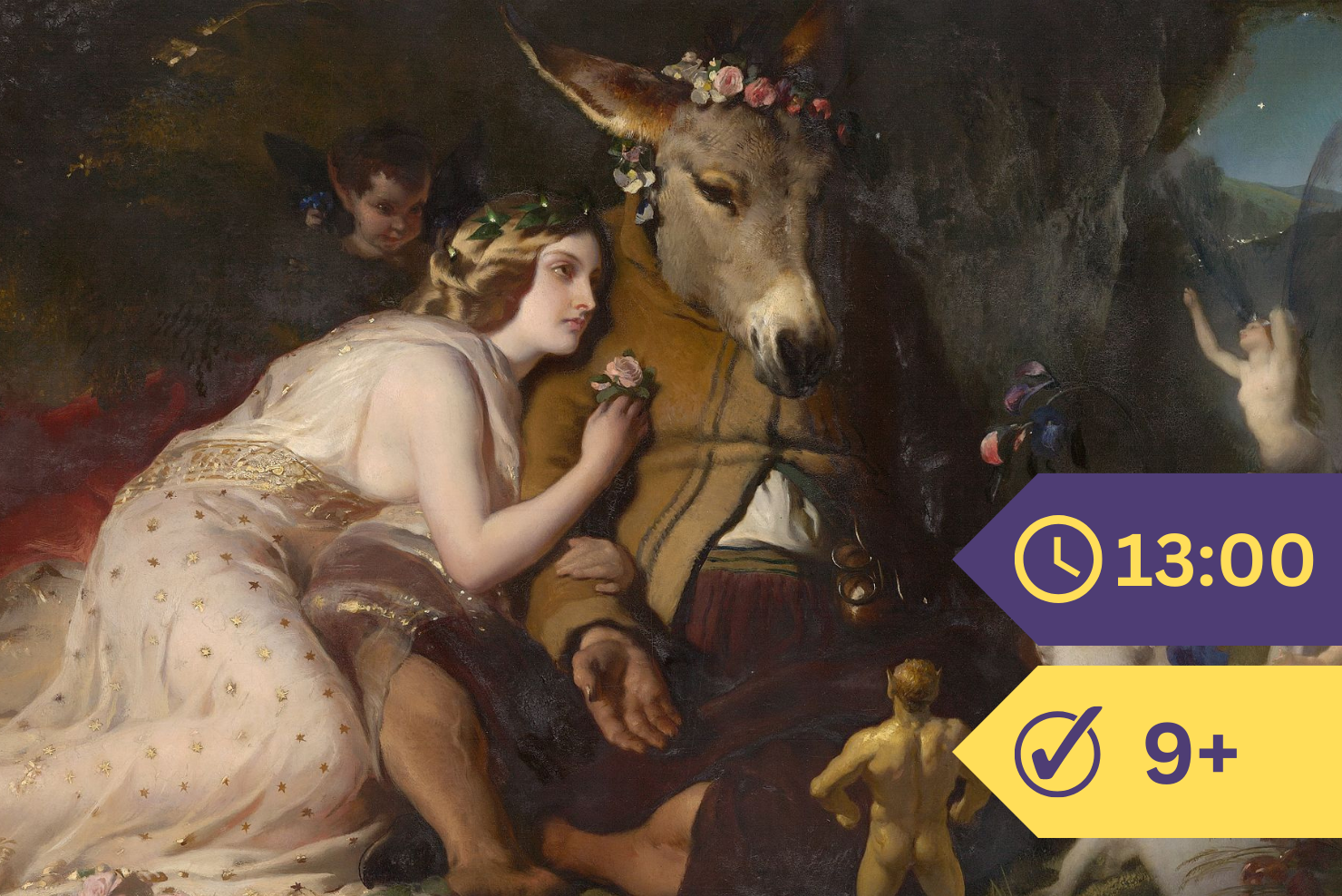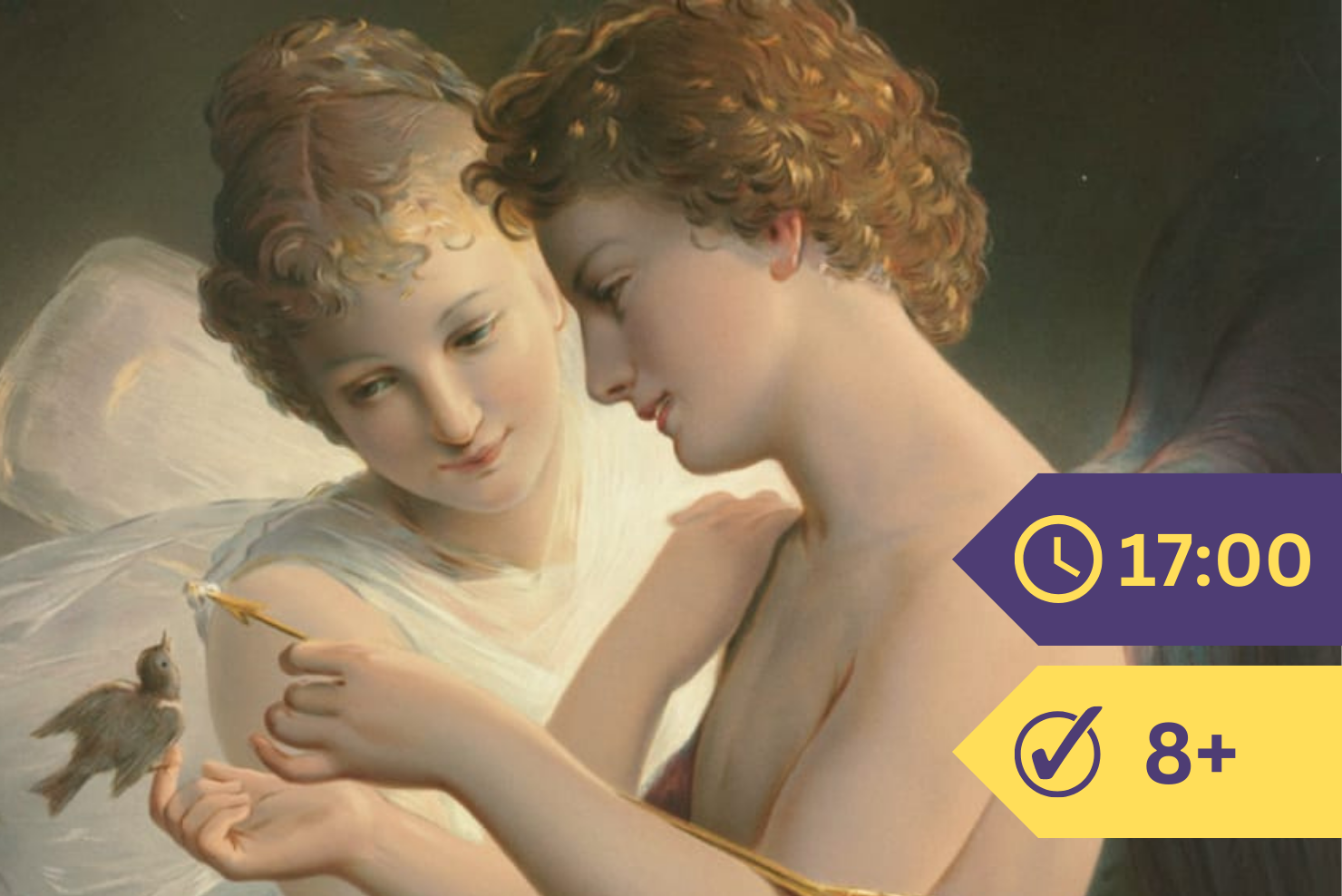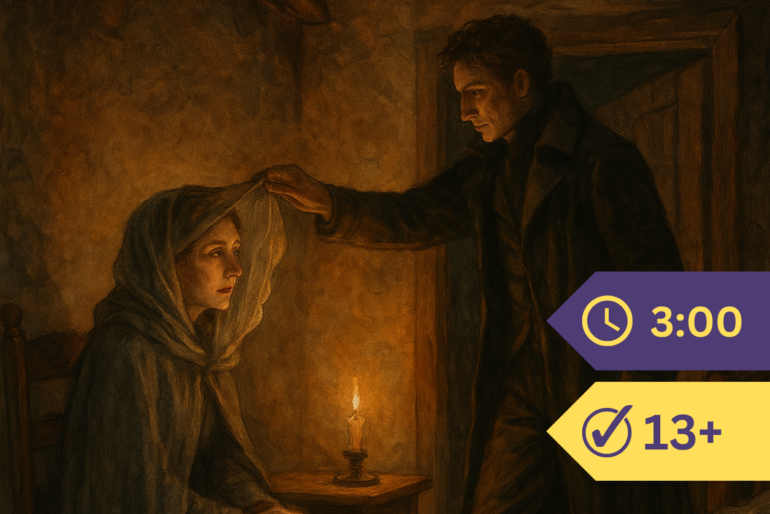
There was a count and a countess who loved each other very much, and had promised each other that nothing in the world would ever make them think ill of the other. This was, as promises go, one they had good reason to make and better reason to regret making so publicly.
The countess’s brother came home from a long time at the wars—a young man her husband had never met, never seen, would not recognize if they passed in the street. The countess thought of a joke. She said to her brother: “When my husband comes home this evening, I want you to be kissing me. He’ll be so startled he won’t know what to make of it—and then in five minutes we’ll explain everything and he’ll laugh till he cries.”
Her brother thought this was an excellent joke.
By a small piece of bad luck, the count did not come home the usual way that evening but crossed the terrace outside instead. Through the window he saw a stranger kissing his wife. He went to his room, told his manservant that he would never be seen again, and left.
The countess waited for the laugh that did not come. When the count failed to appear, she went to his room, found only the servant, and understood. She wrapped her travelling cloak around herself and set out on foot after him without a word to anyone.
The count walked until he could walk no further, then stopped at a roadside inn and took a room for the week—though he spent most of his time wandering in the nearby forest in misery, and only returned to the inn late each night.
The countess walked until she could walk no further, which took her a day longer than it had taken him. By the time she arrived at the same inn, every room was full. She begged for just a few hours of rest. The innkeeper, taking pity on her, gave her the one room he had—knowing the gentleman who had booked it would not be back until late.
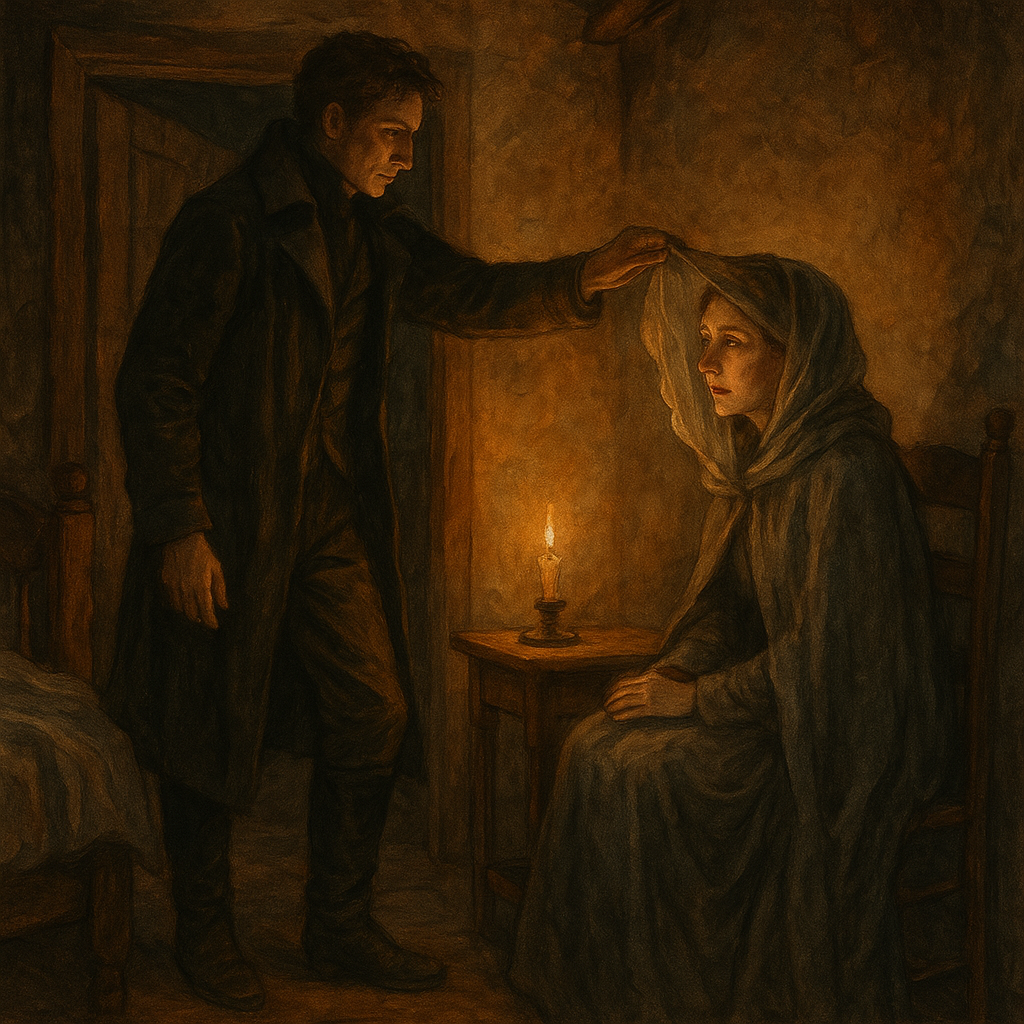
The count came back that night an hour earlier than usual. He entered his room and found a veiled lady sitting in it. She drew her veil down before he could see her face.
“This room is mine,” he said. His voice had been altered by grief, and she did not know it.
“They gave it to me to rest in,” she said. “I have come a very long way.”
“A lady of your apparent station doesn’t walk a very long way,” he said, with the bitterness of a man in sorrow. “I can only think that is an excuse.”
“It is the truth. I came from—” and she named his own city.
His interest sharpened despite himself. He asked what could have brought her so far, and so alone, and in such obvious distress. She hesitated. Then she told him: she had been the happiest woman in the world, with a husband she trusted completely. She had played a small joke—her brother, just back from the wars, a stranger to her husband, a moment’s prank—and her husband had gone without waiting to understand it. She had no idea where she was heading. She was walking until she found him.
The count rose from his chair and crossed the room and took the veil from her face.
“It can be no other but my own,” he said, and his own voice came back to him, and she knew it, and he held her in his arms.