To Zante

Summary


"To Zante" is a short poem by Edgar Allan Poe in which the speaker addresses the Greek island of Zakynthos with aching sorrow rather than wonder. What begins as admiration for the isle's beauty quickly dissolves into grief, as its very sight conjures memories of a lost maiden and entombed hopes. The landscape that once held radiant hours becomes accursed — its flowers and shores transformed by absence into symbols of irreversible loss. The poem closes with a haunting Italian line that deepens the sense of beauty forever out of reach.

Listen to audio


Read Online

Fair isle, that from the fairest of all flowers,
Thy gentlest of all gentle names dost take
How many memories of what radiant hours
At sight of thee and thine at once awake!
How many scenes of what departed bliss!
How many thoughts of what entombed hopes!
How many visions of a maiden that is
No more—no more upon thy verdant slopes!
No more! alas, that magical sad sound
Transforming all! Thy charms shall please no more—
Thy memory no more! Accursed ground
Henceforth I hold thy flower-enamelled shore,
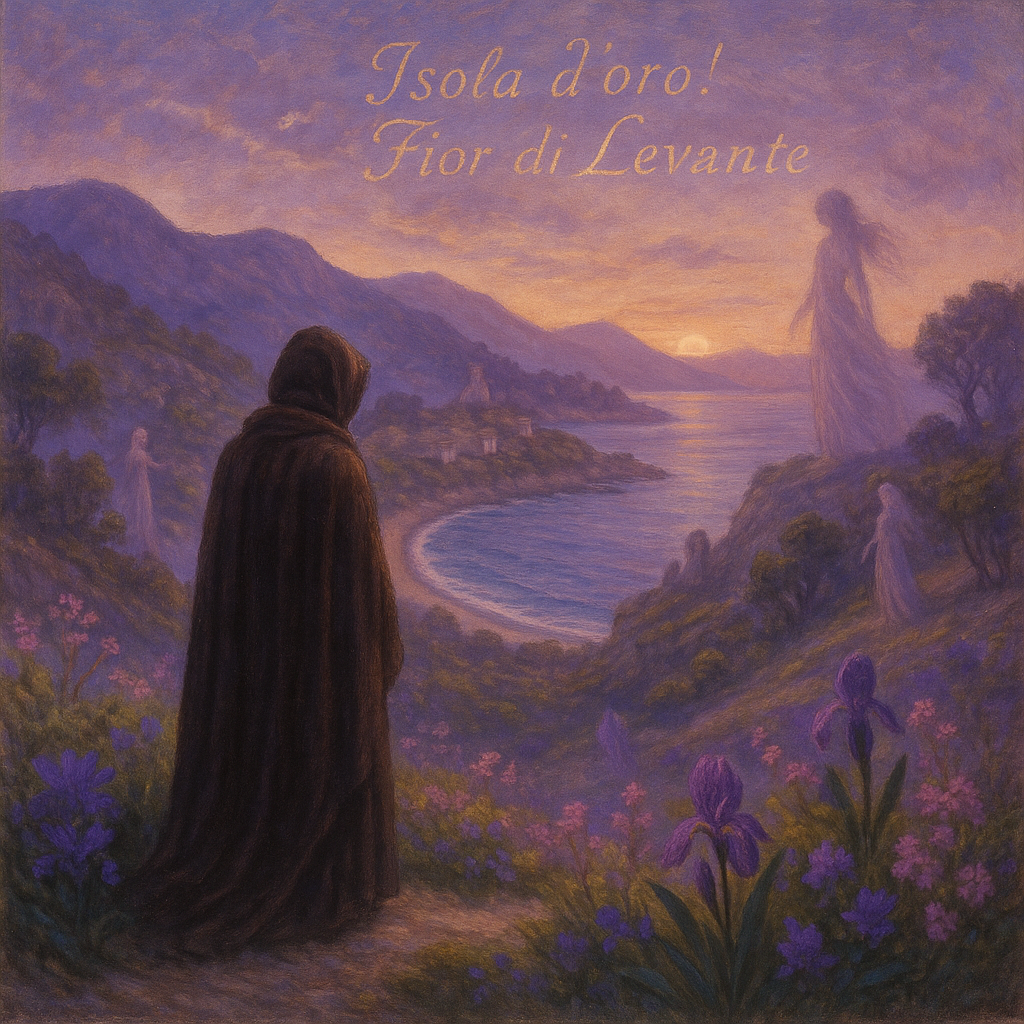
O hyacinthine isle! O purple Zante!
“Isola d’oro! Fior di Levante!”

Credits

Edgar Allan Poe (1809–1849) was an American poet, short story writer, and literary critic, widely regarded as a master of Gothic atmosphere and lyrical melancholy. "To Zante," published in 1837, is one of his few sonnets and is believed to mourn the death of a beloved woman — possibly an early lost love — through the lens of a distant, flower-named Mediterranean island.