I
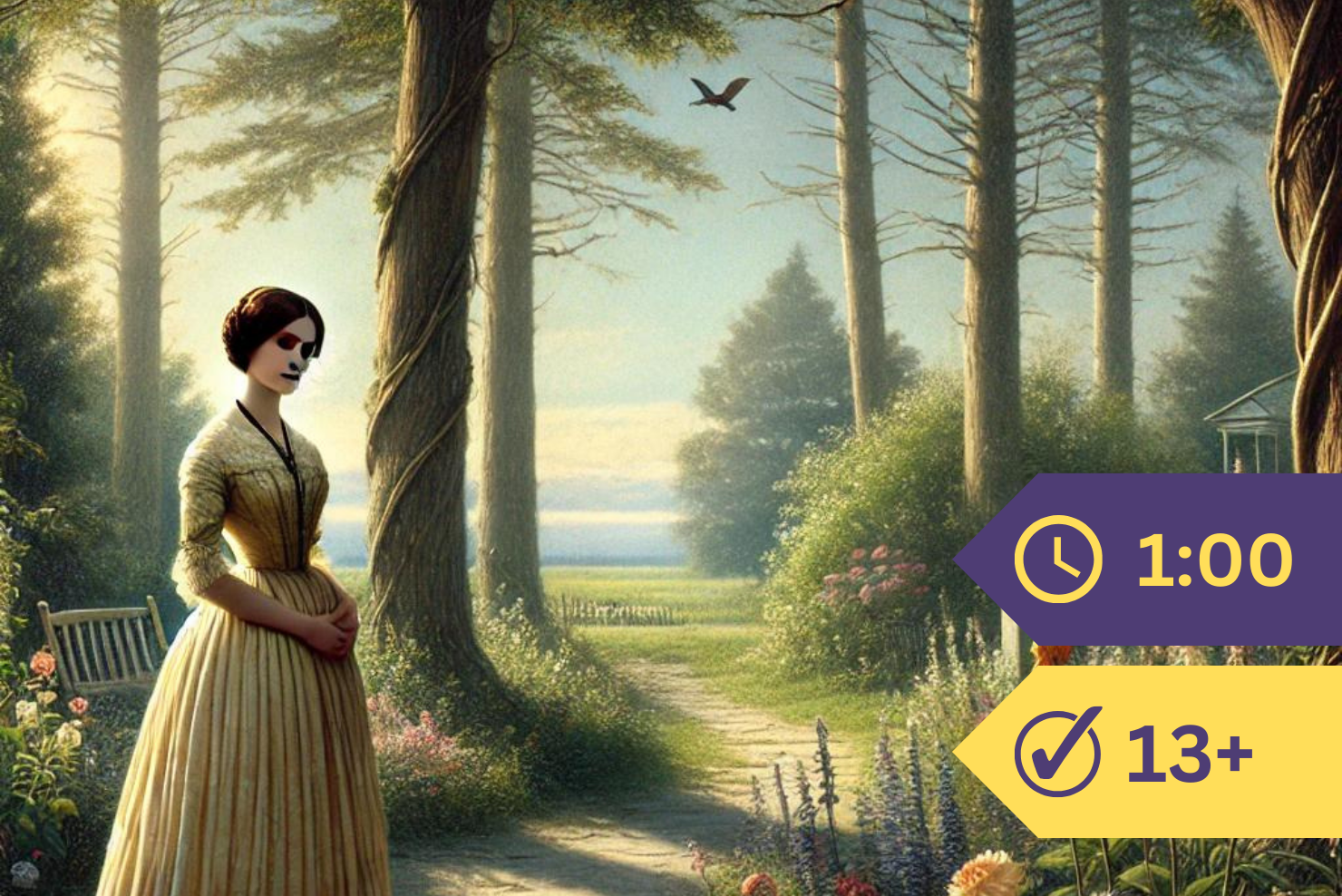
Beneath the vine-clad eaves,
Whose shadows fall before
Thy lowly cottage door
Under the lilac’s tremulous leaves—
Within thy snowy claspeèd hand
The purple flowers it bore.
Last eve in dreams, I saw thee stand,
Like queenly nymphs from Fairy-land—
Enchantress of the flowery wand,
Most beauteous Isadore!
II
And when I bade the dream
Upon thy spirit flee,
Thy violet eyes to me
Upturned, did overflowing seem
With the deep, untold delight
Of Love’s serenity;
Thy classic brow, like lilies white
And pale as the Imperial Night
Upon her throne, with stars bedight,
Enthralled my soul to thee!
III
Ah! ever I behold
Thy dreamy, passionate eyes,
Blue as the languid skies
Hung with the sunset’s fringe of gold;
Now strangely clear thine image grows,
And olden memories
Are startled from their long repose
Like shadows on the silent snows
When suddenly the night-wind blows
Where quiet moonlight lies.
IV
Like music heard in dreams,
Like strains of harps unknown,
Of birds forever flown
Audible as the voice of streams
That murmur in some leafy dell,
I hear thy gentlest tone,
And Silence cometh with her spell
Like that which on my tongue doth dwell,
When tremulous in dreams I tell
My love to thee alone!
V
In every valley heard,
Floating from tree to tree,
Less beautiful to me,
The music of the radiant bird,
Than artless accents such as thine
Whose echoes never flee!
Ah! how for thy sweet voice I pine:—
For uttered in thy tones benign
(Enchantress!) this rude name of mine
Doth seem a melody!