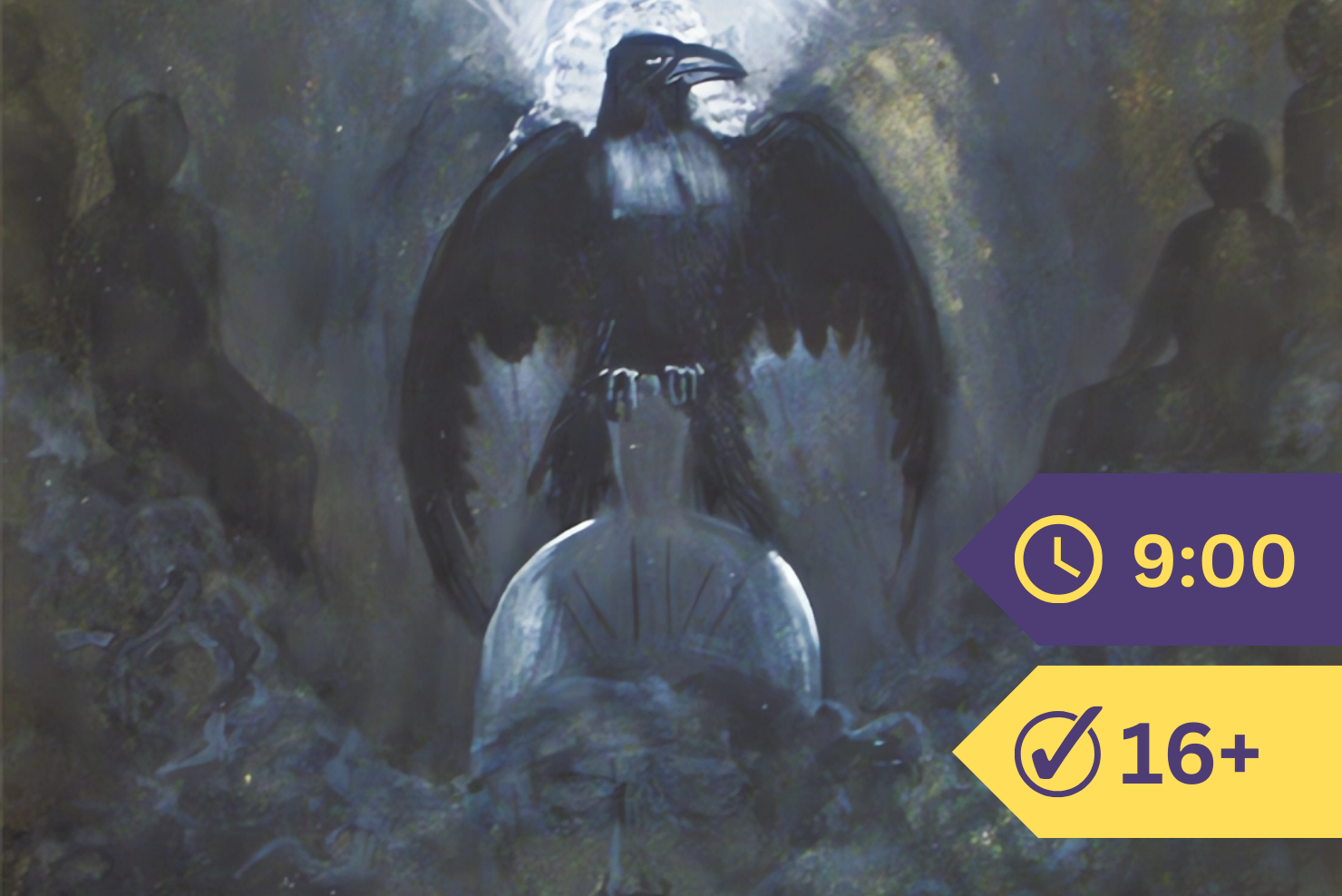
TO ——

Summary


"To ——" is a short poem by Edgar Allan Poe in which a speaker, resigned to a life stripped of earthly joy and erased of years of love in a single bitter moment, turns his gaze not inward but outward. His one true grief is not his own desolation — it is that someone he cherishes mourns for him. In eight spare, aching lines, Poe captures a tension between self-erasure and tenderness that cuts far deeper than its brevity suggests.

Listen to audio


Read Online

I heed not that my earthly lot
Hath little of Earth in it—
That years of love have been forgot
In the hatred of a minute:—
I mourn not that the desolate
Are happier, sweet, than I,
But that you sorrow for my fate
Who am a passer-by.


Credits

Edgar Allan Poe (1809–1849) was an American poet, short story writer, and literary critic, widely regarded as a master of atmosphere and psychological depth. "To ——" is one of several poems in which Poe addressed an unnamed figure, reflecting the recurring theme of idealized, sorrowful love that shaped much of his verse. The poem's unresolved dedication — its recipient deliberately concealed — adds a layer of personal mystery that has intrigued readers and scholars for generations.