
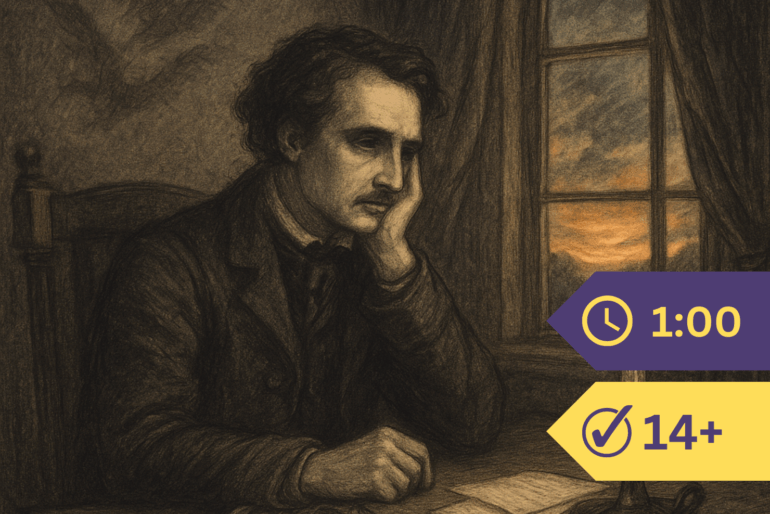
“The Happiest Day.”

Summary


"The Happiest Day" is a poem by Edgar Allan Poe that turns the idea of joy into something shadowed and corrosive. The speaker reflects on what once felt like the peak of pride and power — a blazing moment of youth — only to confess he would refuse to relive it even if offered the chance. What made that hour so bright also carried a dark alloy on its wings, something powerful enough to destroy a soul that recognised it. The poem moves through regret not with grief, but with a cold, clear-eyed refusal.

Listen to audio


Read Online

I
The happiest day—the happiest hour
My seared and blighted heart hath known,
The highest hope of pride and power,
I feel hath flown.

II
Of power! said I? Yes! such I ween
But they have vanished long, alas!
The visions of my youth have been
But let them pass.

III
And pride, what have I now with thee?
Another brow may ev’n inherit
The venom thou hast poured on me
Be still my spirit!

IV
The happiest day—the happiest hour
Mine eyes shall see—have ever seen
The brightest glance of pride and power
I feel have been:

V
But were that hope of pride and power
Now offered with the pain
Ev’n then I felt—that brightest hour
I would not live again:
VI
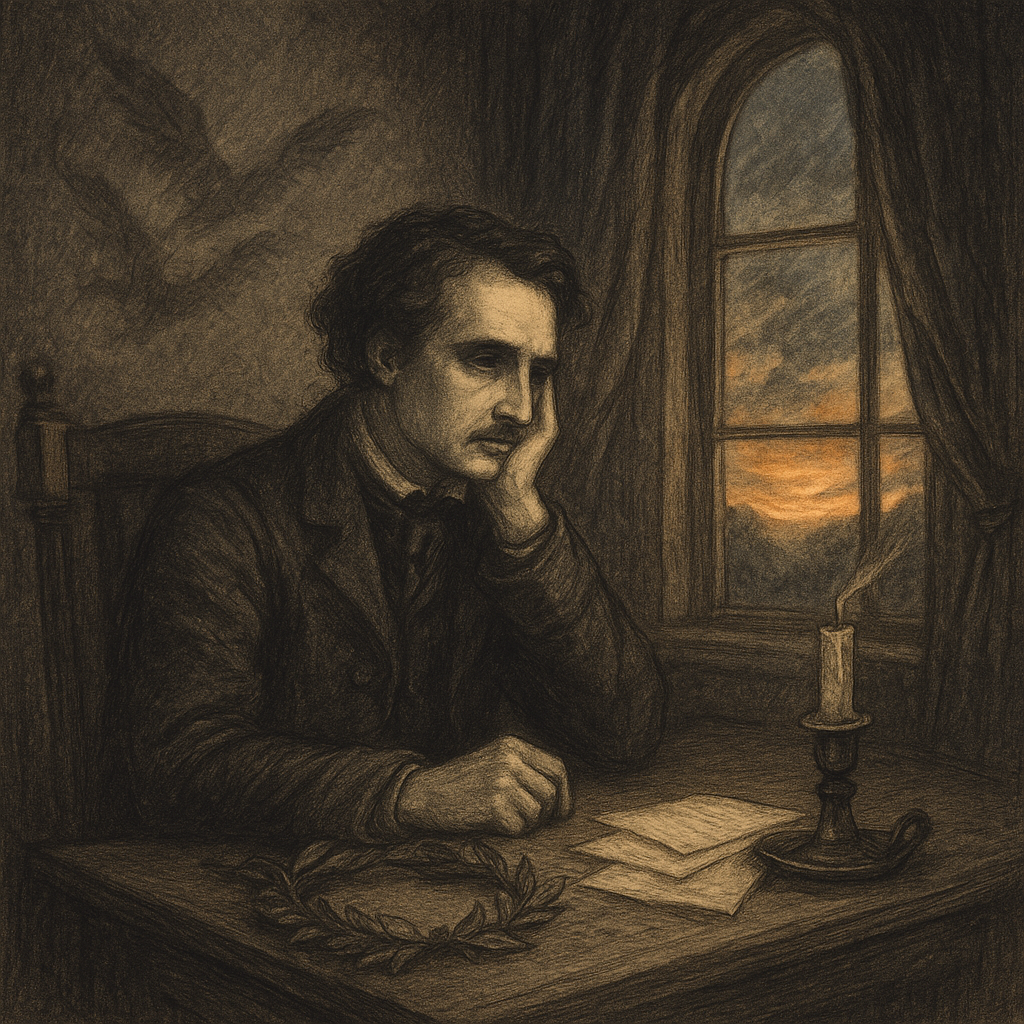
For on its wing was dark alloy
And as it fluttered—fell
An essence—powerful to destroy
A soul that knew it well.

Credits

Edgar Allan Poe (1809–1849) was an American writer celebrated for his mastery of gothic atmosphere, psychological depth, and lyric poetry. "The Happiest Day" is among his earliest known poems, believed to have been written when Poe was still a teenager, making its world-weary resignation all the more striking.