The Demiurge’s Laugh

Summary


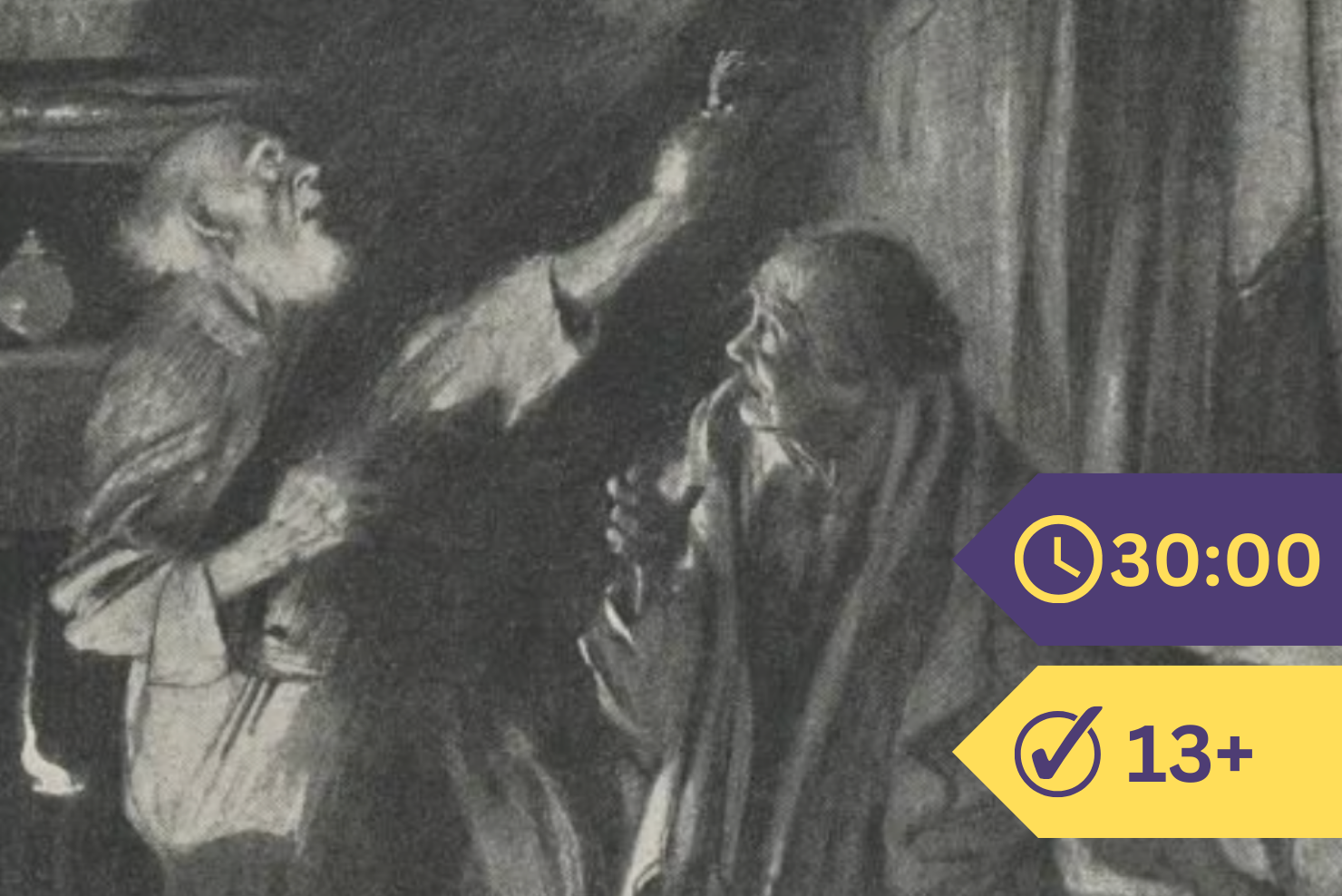
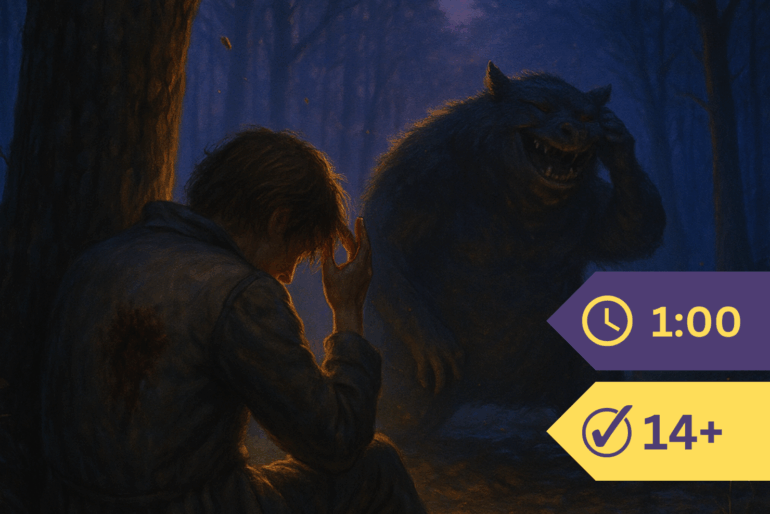
"The Demiurge's Laugh" is a short poem by Robert Frost in which a speaker pursues something through a darkening wood — knowing, even as he runs, that what he chases is no true god. When the Demon finally stirs and laughs, the sound is sleepy yet devastating, laced with a contempt that needs no explanation. The speaker stumbles, feigns purpose among the leaves, and retreats to sit alone against a tree — humbled, exposed, and unable to forget the sound of being seen through completely.

Read Online

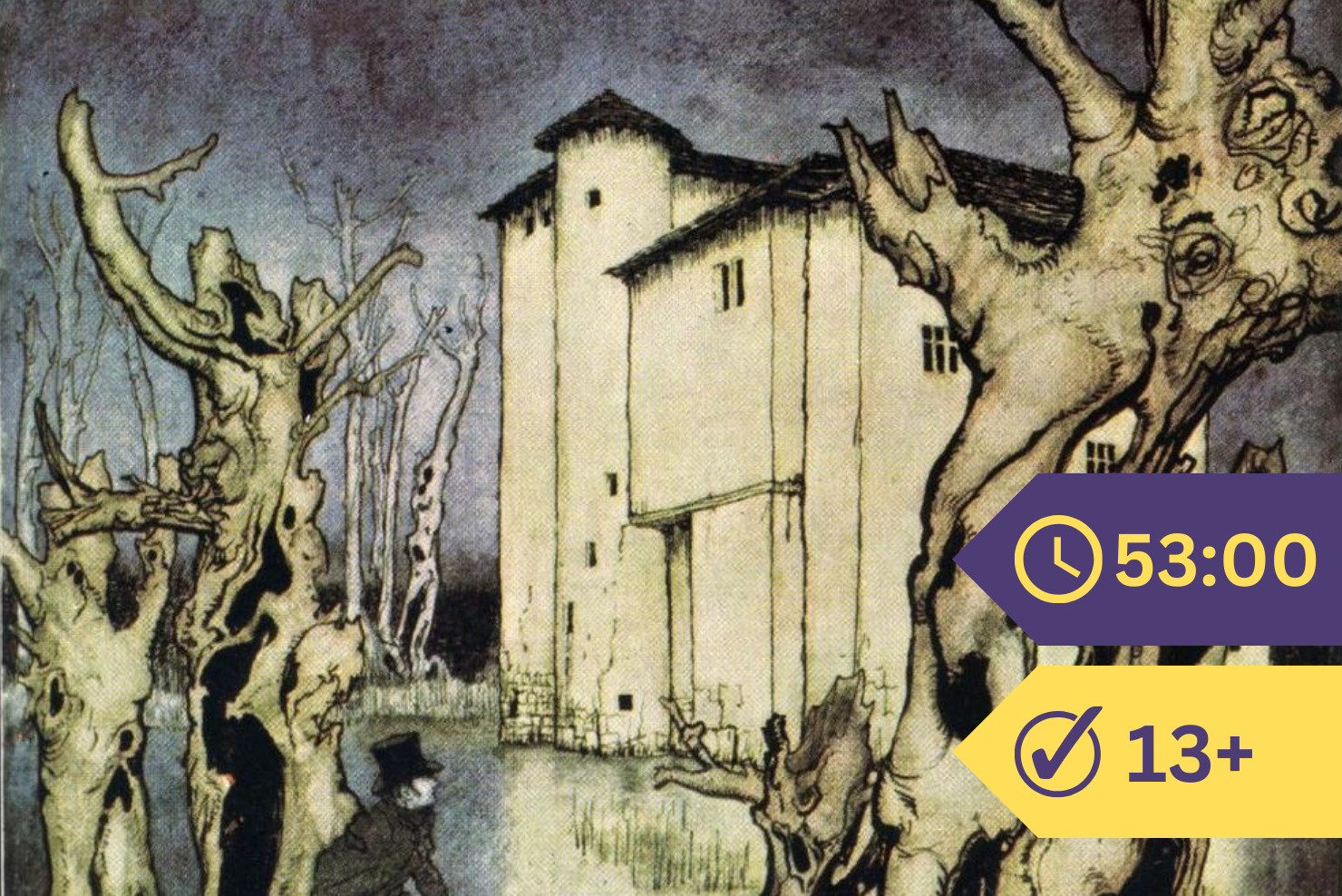
It was far in the sameness of the wood;
I was running with joy on the Demon’s trail,
Though I knew what I hunted was no true god.
It was just as the light was beginning to fail
That I suddenly heard—all I needed to hear:
It has lasted me many and many a year.

The wound was behind me instead of before,
A sleepy sound, but mocking half,
As of one who utterly couldn’t care.
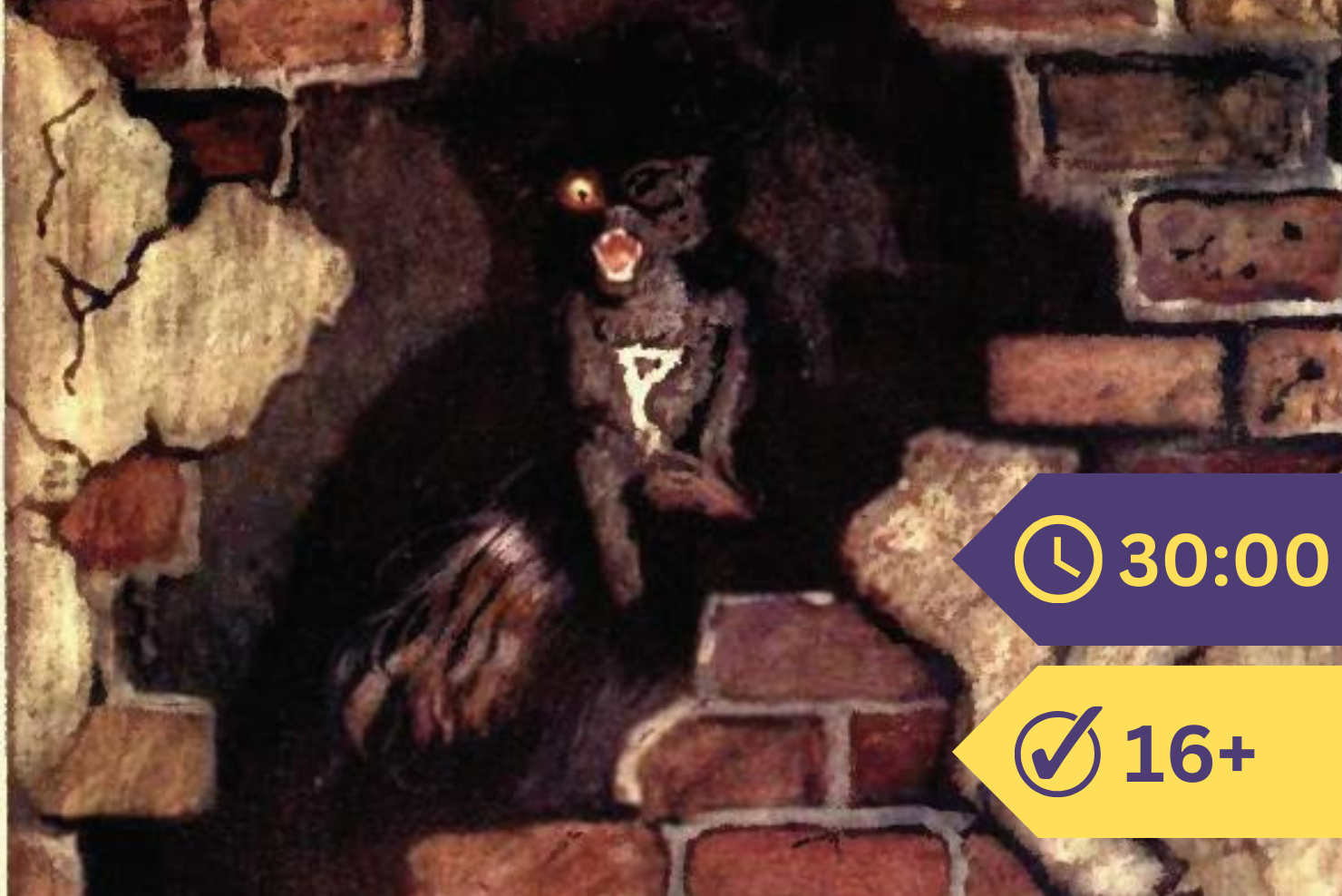
The Demon arose from his wallow to laugh,
Brushing the dirt from his eye as he went;
And well I knew what the Demon meant.
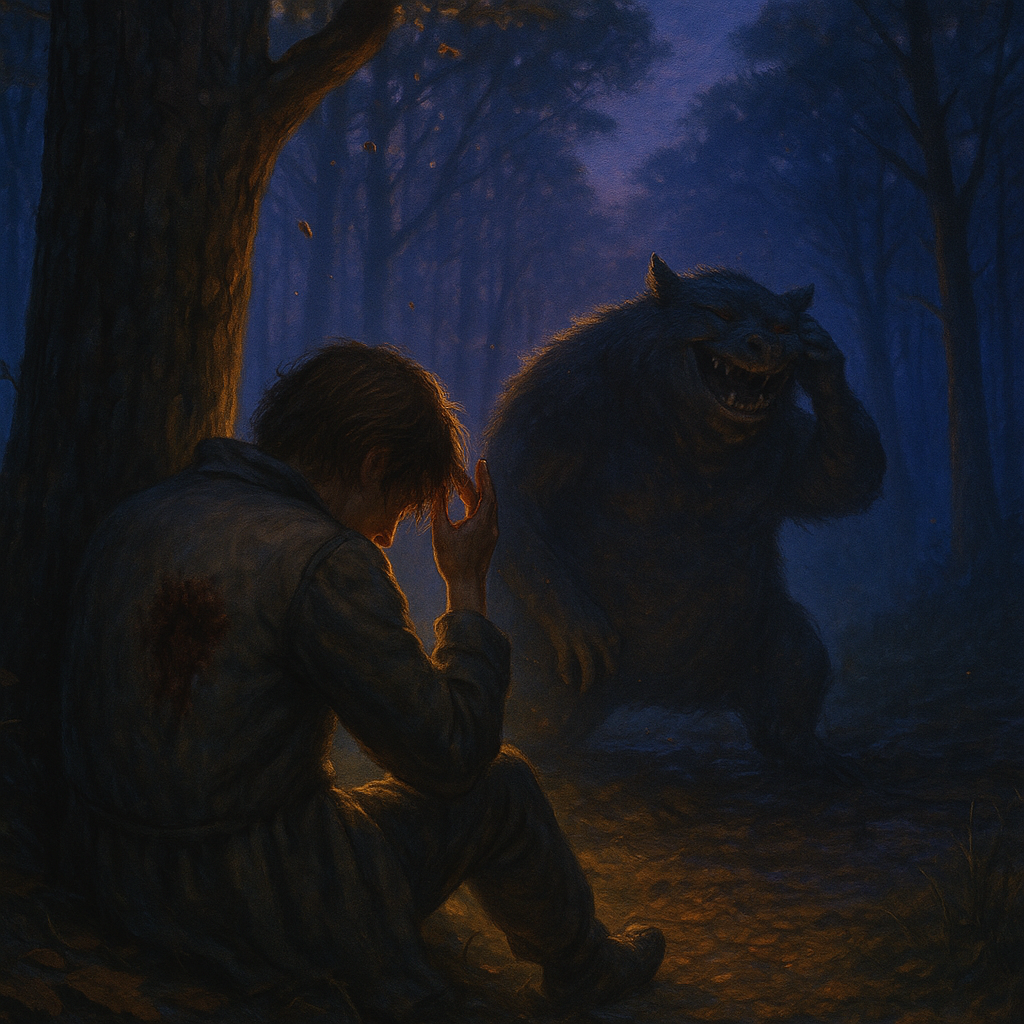
I shall not forget how his laugh rang out.
I felt as a fool to have been so caught,
And checked my steps to make pretence
It was something among the leaves I sought
(Though doubtful whether he stayed to see).
Thereafter I sat me against a tree.

Add Ririro as a Preferred Source on Google

Credits

Robert Frost was an American poet whose work is celebrated for finding quiet menace and philosophical weight in rural landscapes. Published in 1913 as part of his debut collection A Boy's Will, "The Demiurge's Laugh" draws on Gnostic imagery — the Demiurge being a false or lesser creator god — to explore the embarrassment of chasing illusions with misplaced conviction.