
St. Bride

Summary


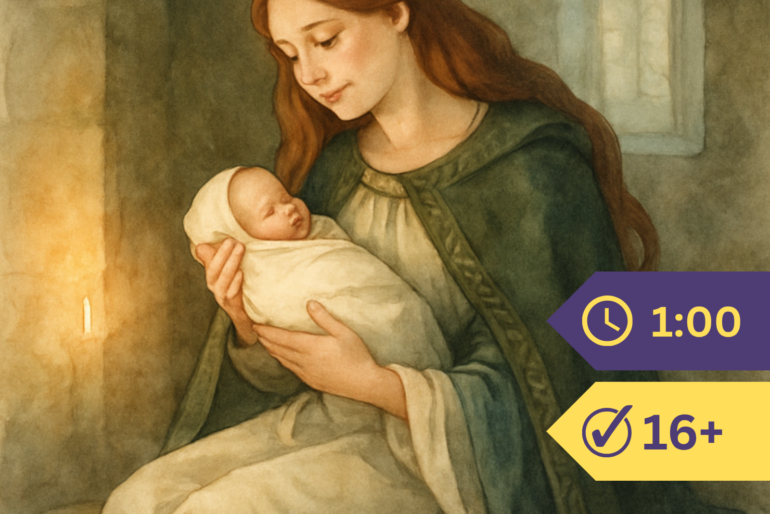
"St. Bride" is a short lyric poem by Fiona Macleod in which Saint Bridget sings tenderly to the infant Christ, drawing on the old Celtic tradition of Bride as foster-mother to the baby Jesus. The poem moves between Bridget's adoring voice and the child's gentle reply, weaving together maternal warmth, devotion, and reverence. Its hushed, lullaby-like rhythm captures a moment of intimate spiritual tenderness — a saint cradling her Lord, calling him lamb, prince, and king all at once.

Read Online

OH, Baby Christ, so dear to me,
    Sang Bridget Bride:
How sweet thou art,
My baby dear,
Heart of my heart!

Heavy her body was with thee,
Mary, beloved of One in Three,
    Sang Bridget Bride —
Mary, who bore thee, little lad;
But light her heart was, light and glad,
With God’s love clad.

Sit on my knee,
    Sang Bridget Bride;
Sit here,
O Baby dear,
Close to my heart, my heart,
For I thy foster-mother am,
My helpless lamb!
Oh, have no fear,
    Sang good St. Bride.
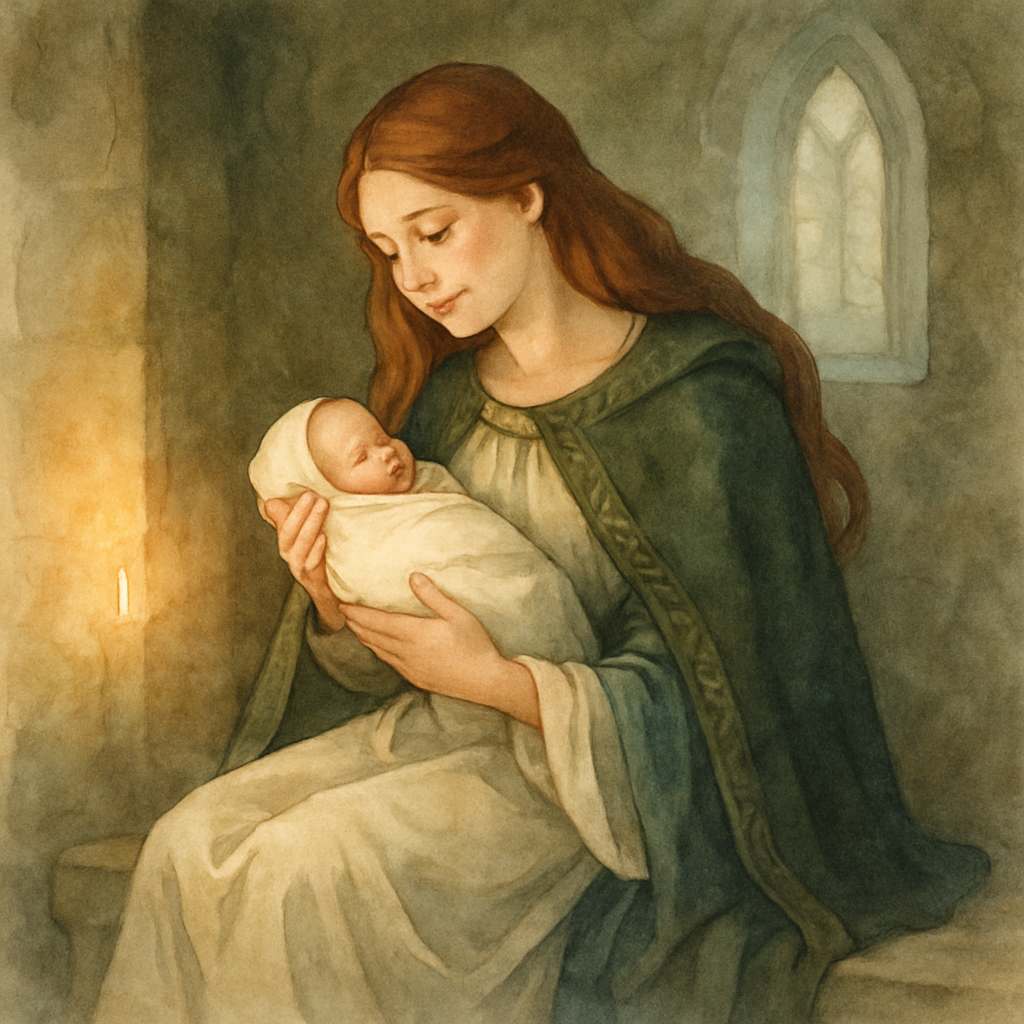
Saint Bridget tenderly holds the infant Christ in a candlelit stone chapel, illustrating the poem St. Bride by Fiona Macleod.

None, none,
No fear have I;
So let me cling
Close to thy side,
While thou dost sing,
O Bridget Bride!

My Lord, my Prince, I sing:
My Baby dear, my King!
    Sang Bridget Bride.


Add Ririro as a Preferred Source on Google


Credits

Fiona Macleod was the pen name of Scottish writer William Sharp (1855–1905), used exclusively for his mystical Celtic works steeped in Scottish and Irish folklore. "St. Bride" draws on the ancient Gaelic legend that Saint Bridget of Kildare served as the foster-mother of Christ, a belief woven deeply into Celtic Christian tradition.