Summary


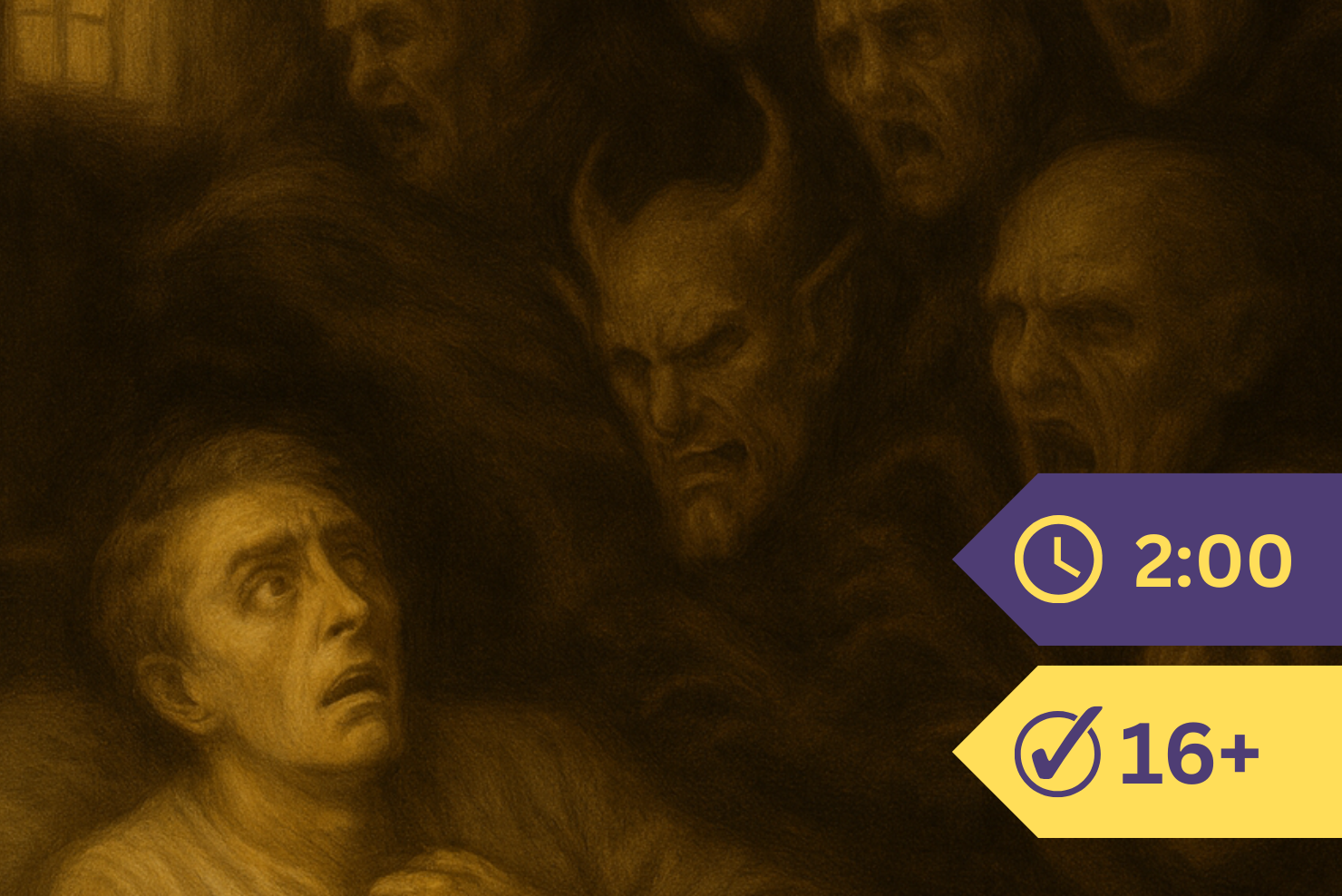
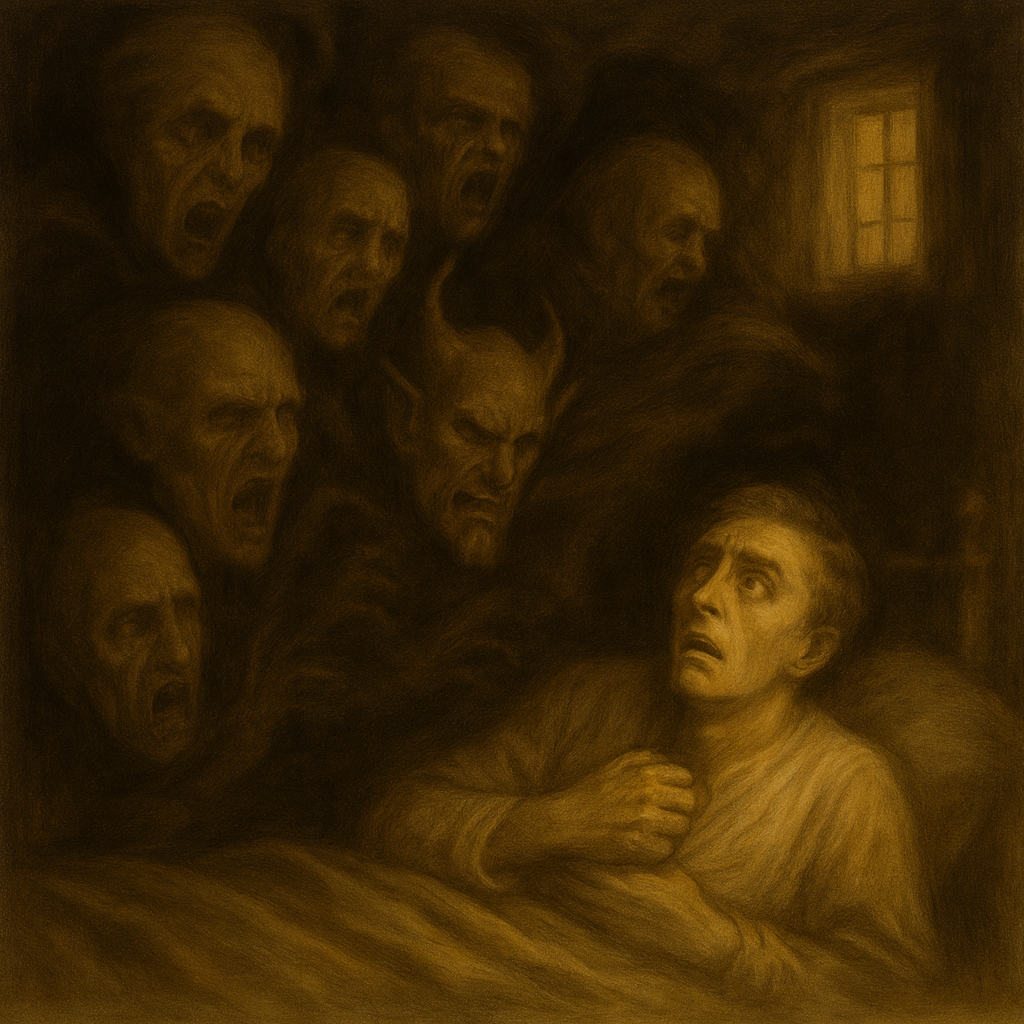
Sonnet 100 by Lord Brooke Fulke Greville explores the unsettling experience of lying awake in total darkness, where the powerless eye turns inward and the mind begins to work against itself. Fear, stirred by a kind of cruel inner tyranny, distorts perception and conjures impossible visions — shadows and devils that have no existence beyond the tormented imagination. Greville traces how darkness strips away reason, leaving only self-made confusion and the haunting sense that our deepest fears are born entirely from within.

Read Online

In night when colors all to black are cast,
Distinction lost, or gone down with the light;
The eye a watch to inward senses placed,
Not seeing, yet still having powers of sight,

Gives vain alarums to the inward sense,
Where fear stirred up with witty tyranny,
Confounds all powers, and thorough self-offense,
Doth forge and raise impossibility:

Such as in thick depriving darknesses,
Proper reflections of the error be,
And images of self-confusednesses,
Which hurt imaginations only see;

And from this nothing seen, tells news of devils,
Which but expressions be of inward evils.
Credits

Lord Brooke Fulke Greville was a 16th and 17th-century English poet, playwright, and statesman, closely associated with the Elizabethan literary circle and a lifelong friend of Sir Philip Sidney. He is best known for his sequence Caelica, the collection in which Sonnet 100 appears — a late, philosophically dense poem that marks a shift from romantic verse toward dark moral and psychological inquiry.