Silence

Summary


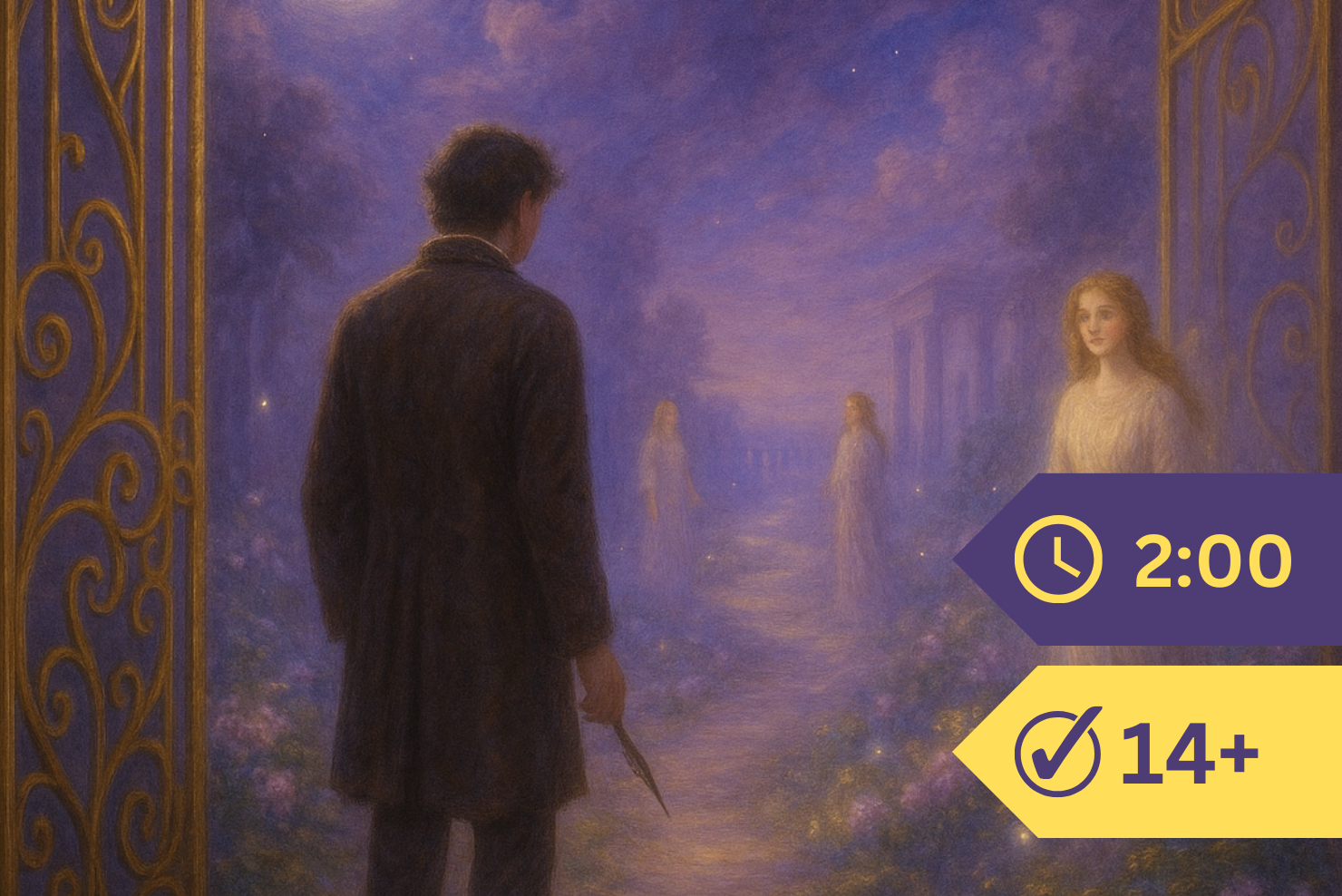
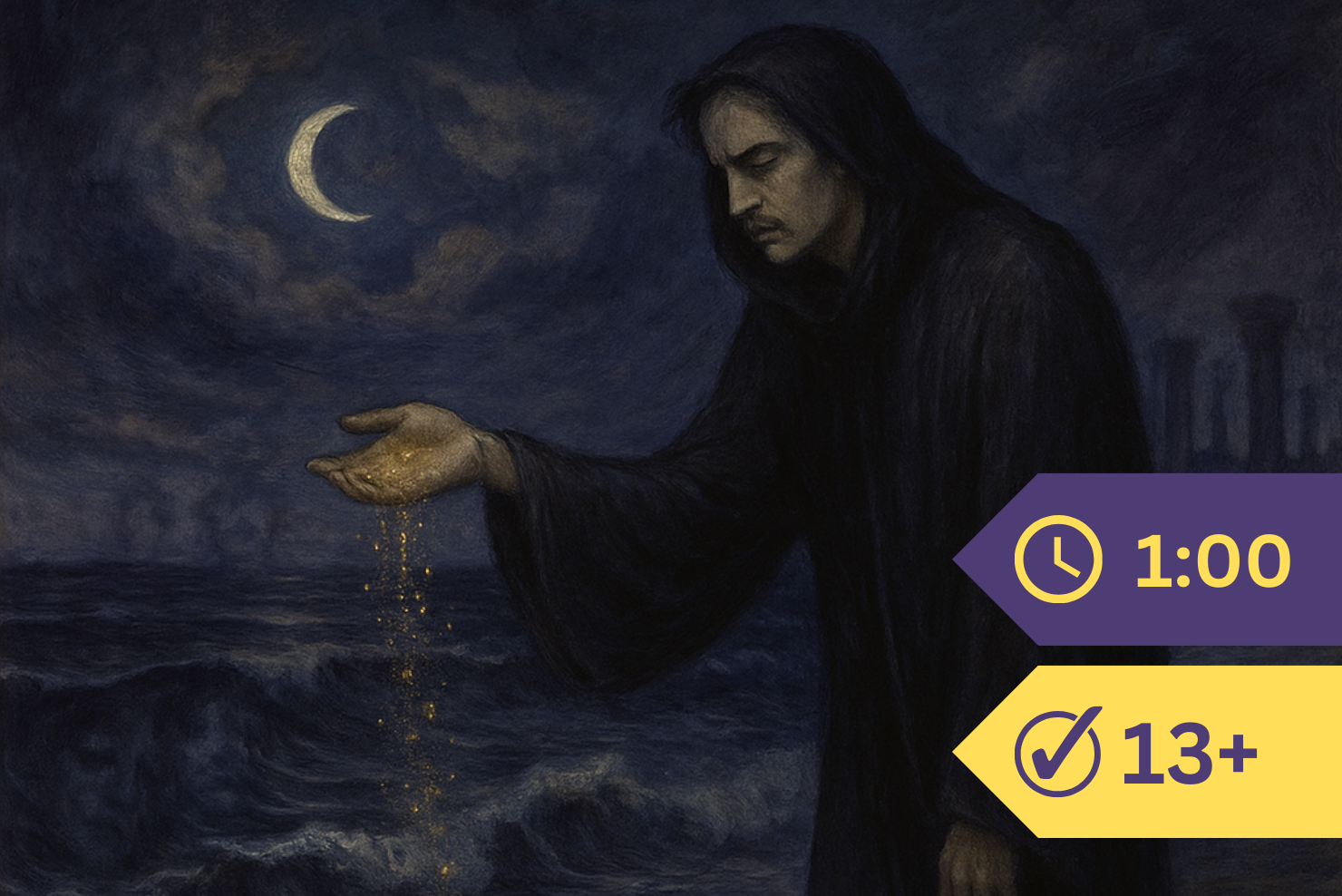
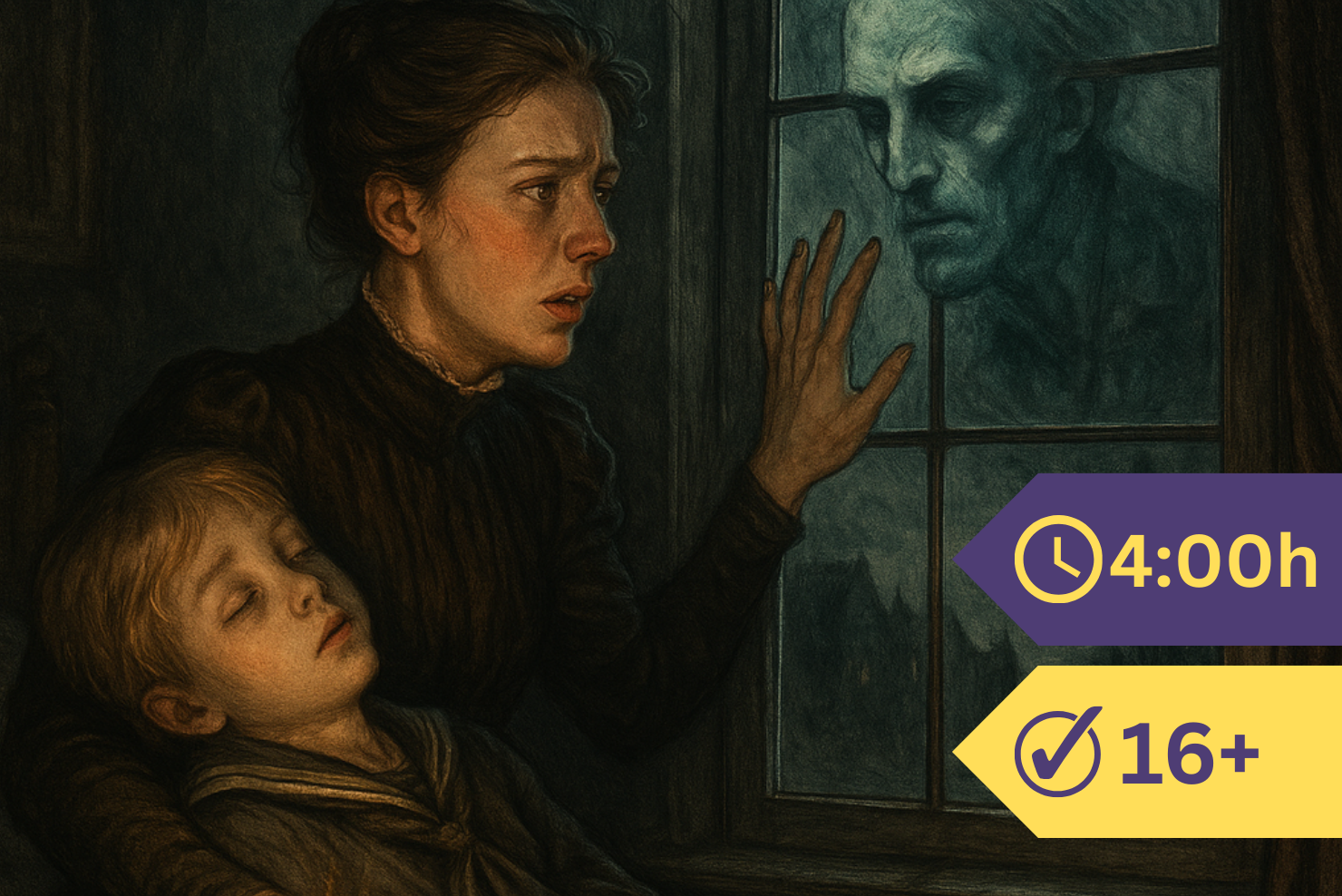
"Silence" by Edgar Allan Poe is a sonnet that divides silence into two unsettling forms: one that lingers in overgrown, forgotten places, heavy with human memory and grief yet ultimately harmless, and another far darker — a nameless, shadowlike presence that haunts regions where no human foot has ever tread. The poem builds from melancholy reflection to genuine dread, urging anyone who encounters this second, formless silence to commend themselves to God.

Listen to audio


Read Online

Unlock the works of Edgar Allan Poe in one digital bundle — available now for just $9.99.

There are some qualities—some incorporate things,
That have a double life, which thus is made
A type of that twin entity which springs
From matter and light, evinced in solid and shade.
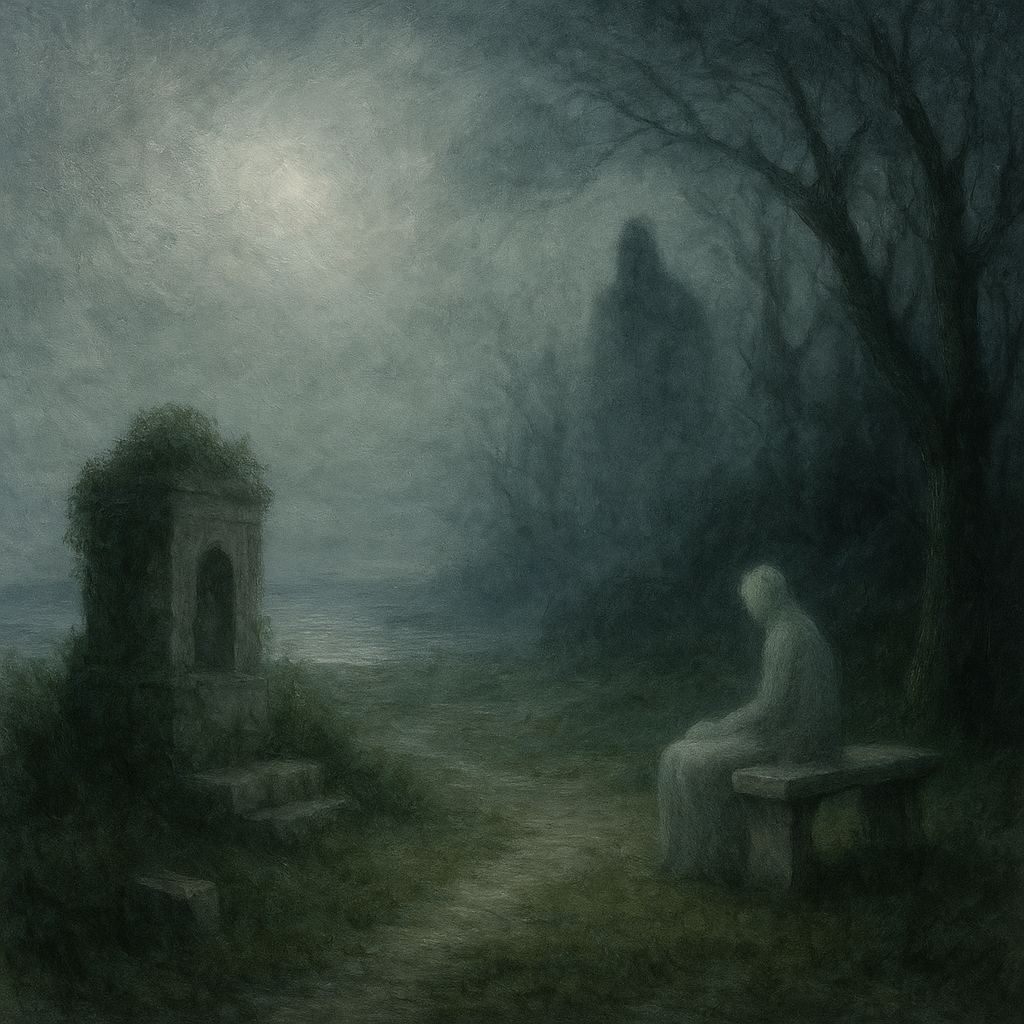
There is a two-fold Silence—sea and shore—
Body and soul. One dwells in lonely places,
Newly with grass o’ergrown; some solemn graces,
Some human memories and tearful lore,
Render him terrorless: his name’s “No More.”
He is the corporate Silence: dread him not!
No power hath he of evil in himself;
But should some urgent fate (untimely lot!)
Bring thee to meet his shadow (nameless elf,
That haunteth the lone regions where hath trod
No foot of man,) commend thyself to God!

Credits

Edgar Allan Poe (1809–1849) was an American writer celebrated for his mastery of Gothic atmosphere, psychological terror, and lyric poetry. "Silence" is notable for being structured as a Petrarchan sonnet — a disciplined form Poe used to contain ideas that push against all containment.