Summary


November is a short poem that follows a melancholy speaker through the dying days of autumn. She listens to the wailing wind, watches the heavy clouds, and hears poets sing a dirge for the fading year. Holly-berries and ivy hint at Christmas, yet she turns instead toward the silent woods, with their ragged ferns, rough moss and bare trees. There she searches for a quieter consolation, and a different way to understand what the season takes away.


Listen to audio


Read Online

Much have I spoken of the faded leaf;
Long have I listened to the wailing wind,
And watched it ploughing through the heavy clouds,
For autumn charms my melancholy mind.

When autumn comes, the poets sing a dirge:
The year must perish; all the flowers are dead;
The sheaves are gathered; and the mottled quail
Runs in the stubble, but the lark has fled!

Still, autumn ushers in the Christmas cheer,
The holly-berries and the ivy-tree:
They weave a chaplet for the Old Year’s bier,
These waiting mourners do not sing for me!

I find sweet peace in depths of autumn woods,
Where grow the ragged ferns and roughened moss;
The naked, silent trees have taught me this,—
The loss of beauty is not always loss!
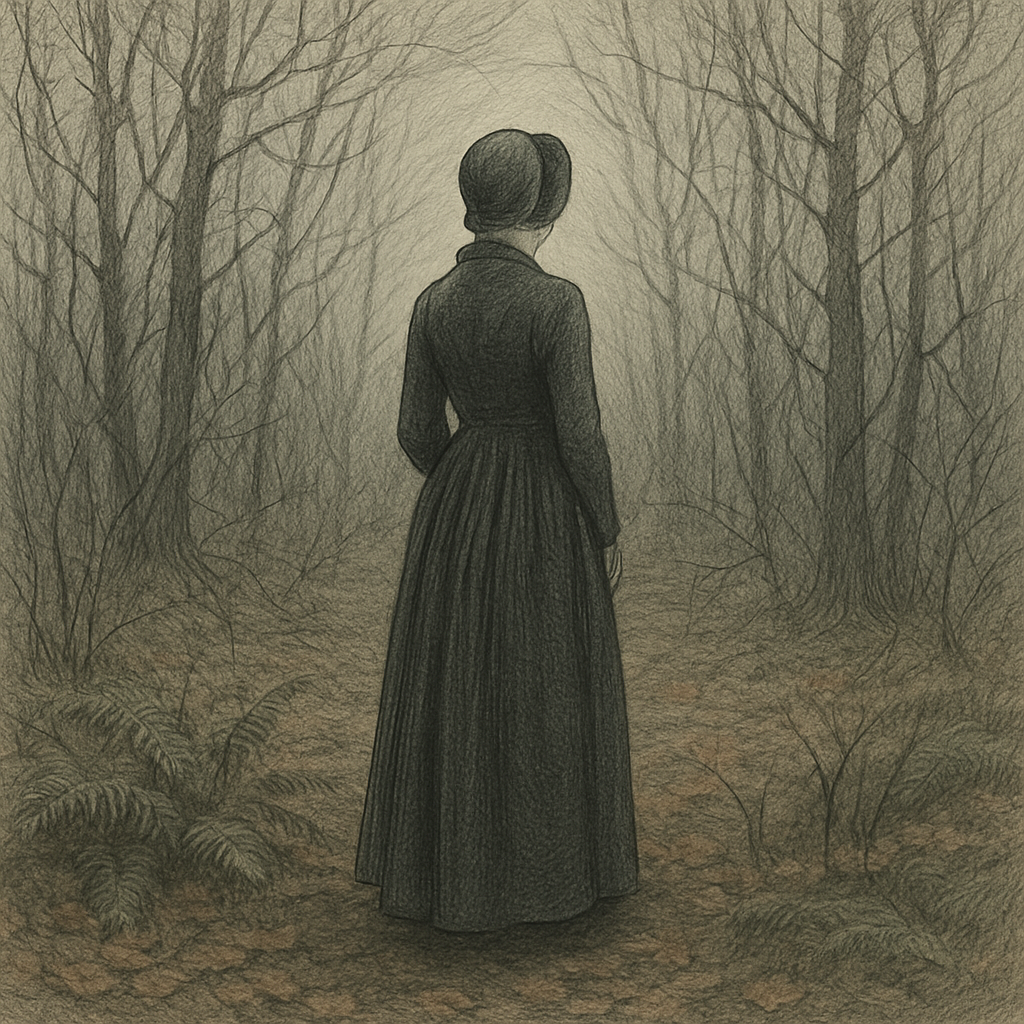

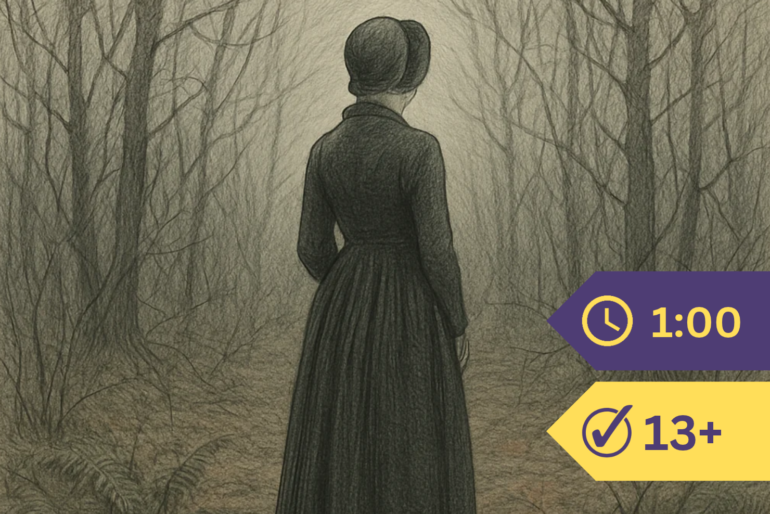
A lone Victorian woman stands among bare trees and ragged ferns in an autumn wood, illustrating the poem "November."

Add Ririro as a Preferred Source on Google


Credits

Elizabeth Drew Stoddard was a nineteenth-century American poet and novelist, known for her unflinching, atmospheric writing. This poem shows her gift for compressing a whole season's mood into four quatrains.