Nothing Gold Can Stay

Summary


"Nothing Gold Can Stay" is a poem by Robert Frost that captures the fleeting beauty of nature's earliest moments — the brief instant when a leaf is still a flower, when dawn has not yet hardened into day. In just eight spare lines, Frost draws a quiet arc from Eden's fall to the fading of morning light, building a meditation on how the most precious things vanish almost the moment they appear. The poem leaves readers with a bittersweet ache for the beauty that cannot be held.

Listen to audio


Read Online

Nature’s first green is gold,
Her hardest hue to hold.
Her early leaf’s a flower;
But only so an hour.
Then leaf subsides to leaf.
So Eden sank to grief,
So dawn goes down to day.
Nothing gold can stay.
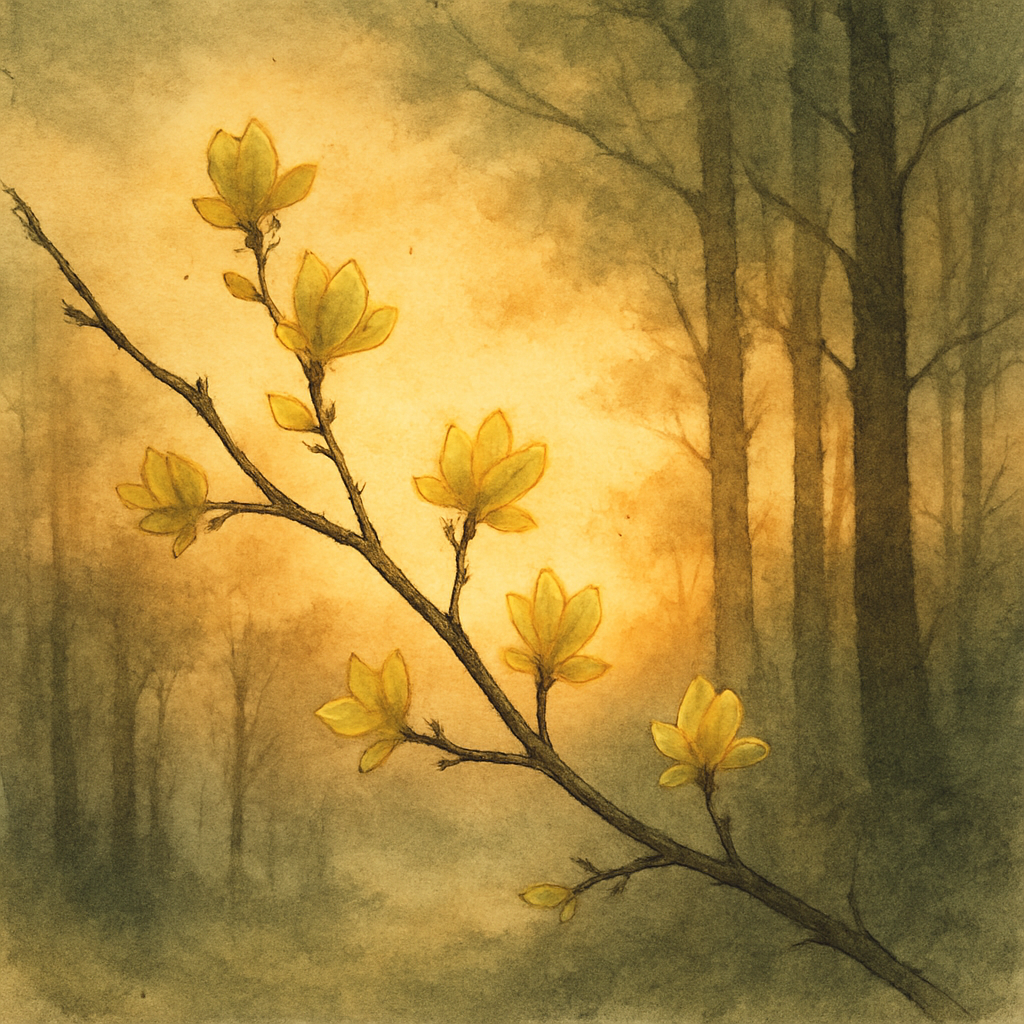

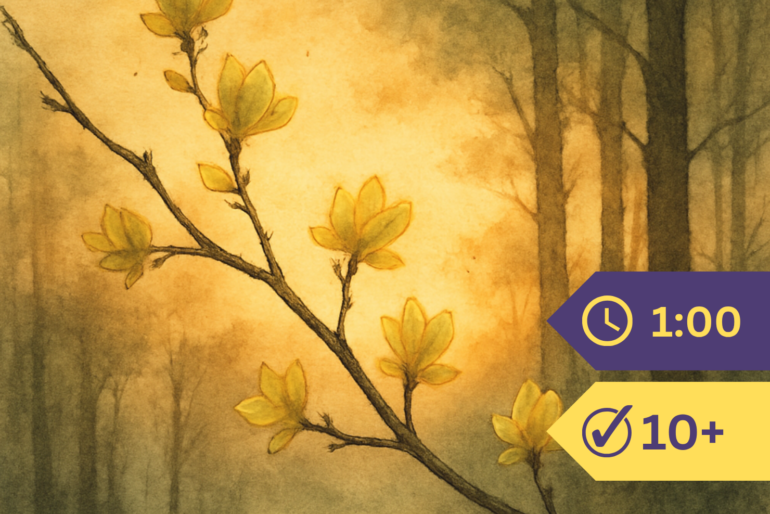
A golden-green spring branch catching early dawn light, illustrating the fleeting beauty in "Nothing Gold Can Stay"

Add Ririro as a Preferred Source on Google


Credits

Robert Frost was an American poet celebrated for his deceptively simple verse rooted in the New England landscape. First published in 1923 in his collection New Hampshire, "Nothing Gold Can Stay" is one of Frost's most quoted works, admired for the way it compresses vast philosophical weight — the loss of innocence, the passage of time — into a single perfect octave.