Summary


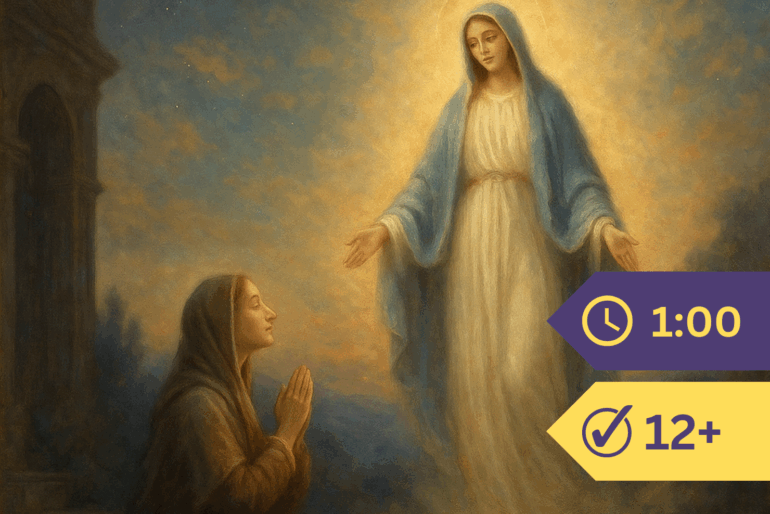
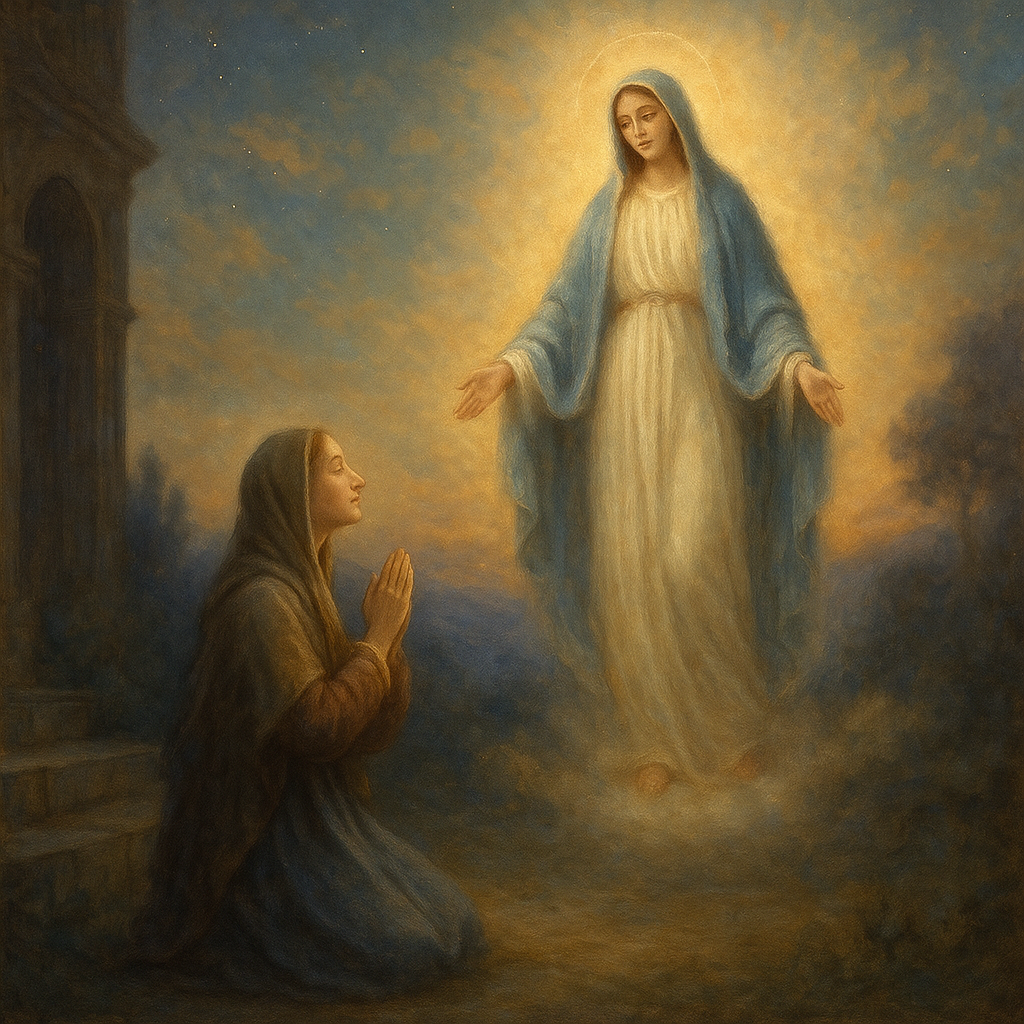
"Hymn" by Edgar Allan Poe is a short devotional poem addressed to the Virgin Mary, invoking her presence from morning through twilight, in joy and in suffering. The speaker reflects on sunlit days when her grace kept his wandering soul close, then turns to the storm-darkened present, where past and future alike feel uncertain. Through its tight, musical lines, the poem captures a quiet longing for spiritual shelter when fate grows overwhelming.

Listen to audio


Read Online

At morn—at noon—at twilight dim—
Maria! thou hast heard my hymn!
In joy and woe—in good and ill—
Mother of God, be with me still!
When the Hours flew brightly by
And not a cloud obscured the sky,
My soul, lest it should truant be,
Thy grace did guide to thine and thee;
Now, when storms of Fate o’ercast
Darkly my Present and my Past,
Let my Future radiant shine
With sweet hopes of thee and thine!

Credits

Edgar Allan Poe (1809–1849) was an American writer celebrated for his Gothic fiction and melancholic verse, though "Hymn" reveals a more tender, devotional side rarely associated with his darker work. The poem was first published in 1835 as part of his short story "Morella," embedded within the narrative as a prayer sung by the protagonist.