Hark, how all the welkin rings,
“Glory to the King of kings;
Peace on earth, and mercy mild,
God and sinners reconcil’d!”
Joyful, all ye nations, rise,
Join the triumph of the skies;
Universal nature say,
“Christ the Lord is born to-day!”
Christ, by highest Heaven ador’d,
Christ, the everlasting Lord:
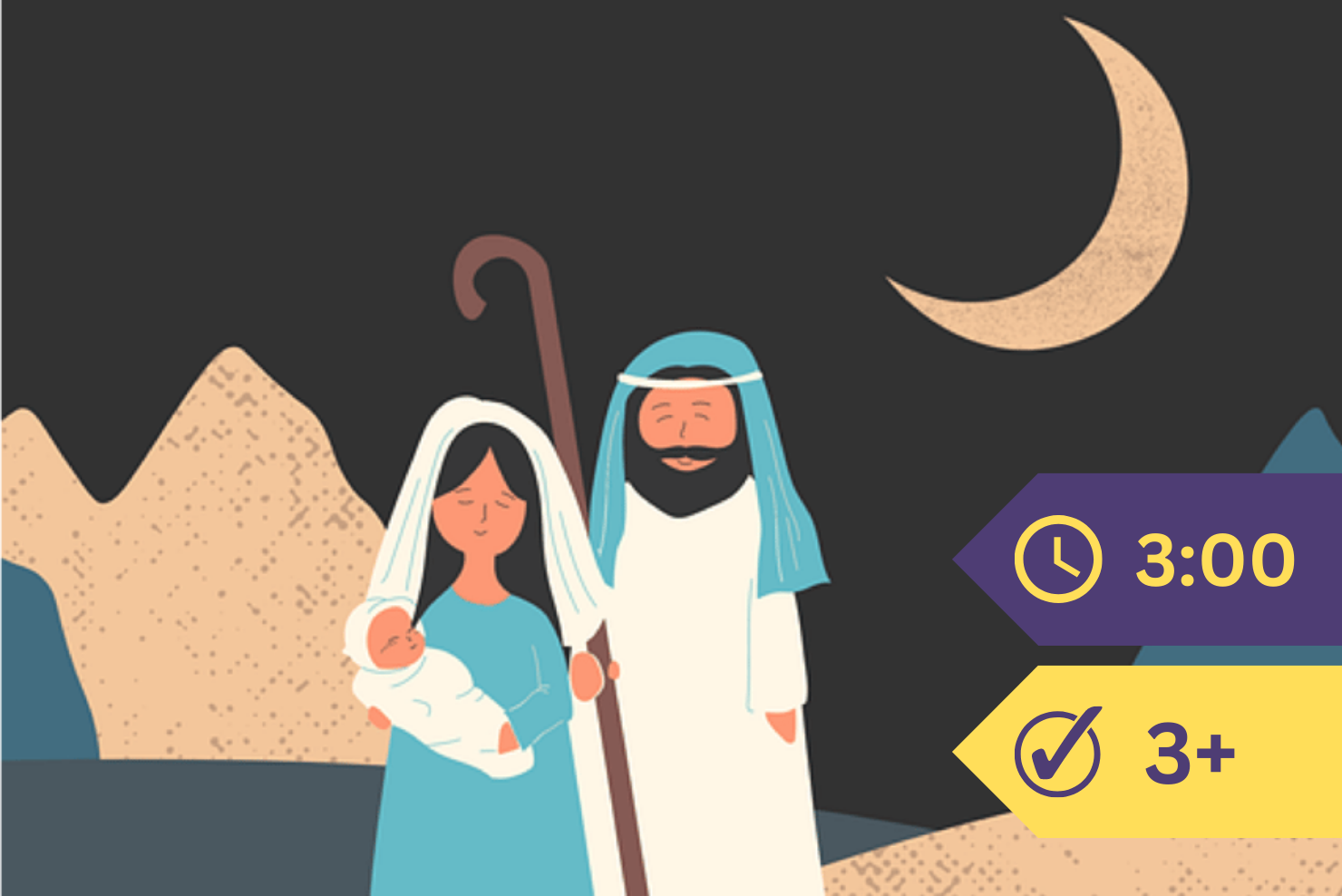
Late in time behold him come,
Offspring of a virgin’s womb!
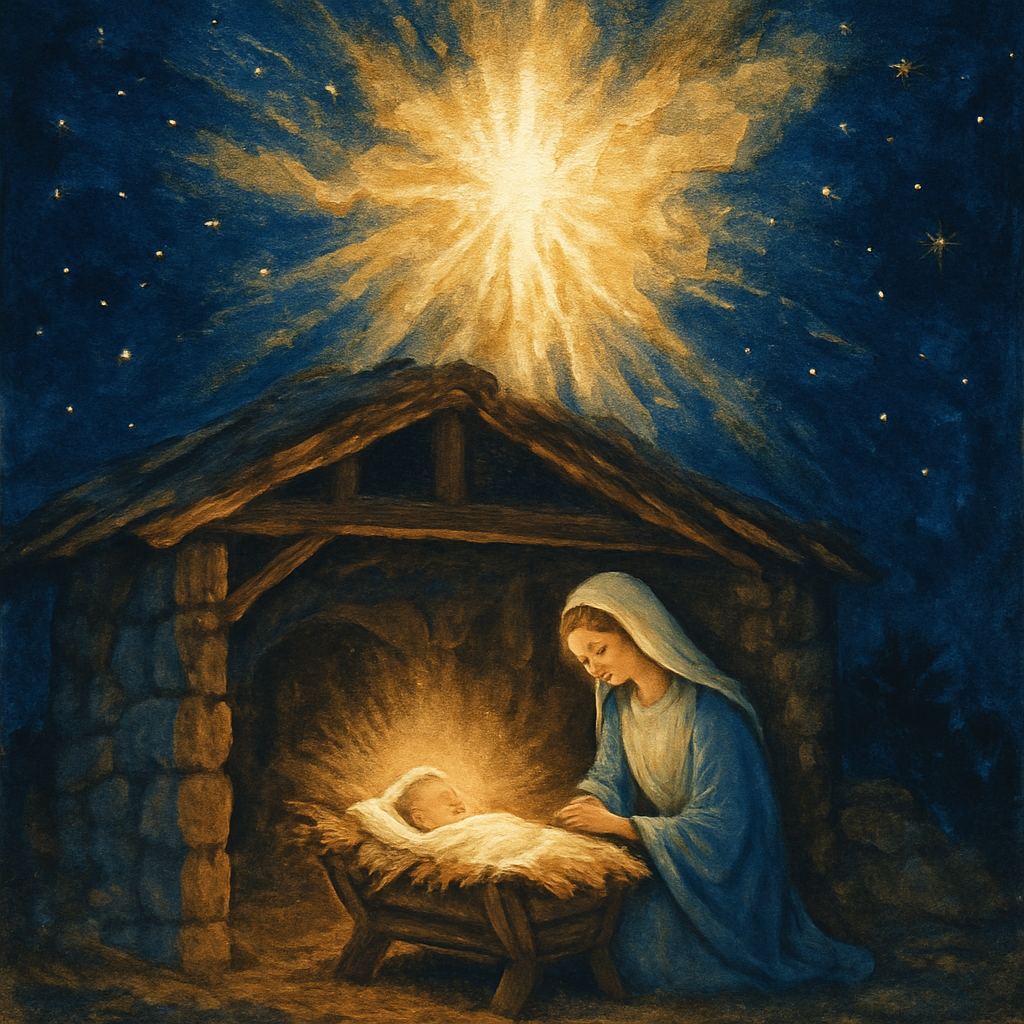
Veil’d in flesh, the Godhead see,
Hail th’ incarnate Deity!
Pleas’d as man with men to appear,
Jesus, our Immanuel here!
Hail, the heavenly Prince of Peace,
Hail, the Sun of Righteousness!
Light and life to all he brings,
Risen with healing in his wings.
Mild he lays his glory by,
Born that man no more may die;
Born to raise the sons of earth;
Born to give them second birth.
Come, desire of nations, come,
Fix in us thy humble home;
Rise, the woman’s conquering seed,
Bruise in us the serpent’s head.
Now display thy saving power,
Ruin’d nature now restore;
Now in mystic union join
Thine to ours, and ours to thine.
Adam’s likeness, Lord, efface,
Stamp thy image in its place.
Second Adam from above,
Reinstate us in thy love.
Let us thee, though lost, regain,
Thee, the life, the inner man:
O, to all thyself impart,
Form’d in each believing heart.